If you are looking at a new development condo in SoHo, you are shopping in one of Manhattan’s most unusual markets. New construction here is far less common than in many other downtown neighborhoods, and that can make every opportunity feel both exciting and complex. When you understand how SoHo’s historic setting, sponsor paperwork, and design trends shape these homes, you can make a more confident decision. Let’s dive in.
Why SoHo New Development Is Different
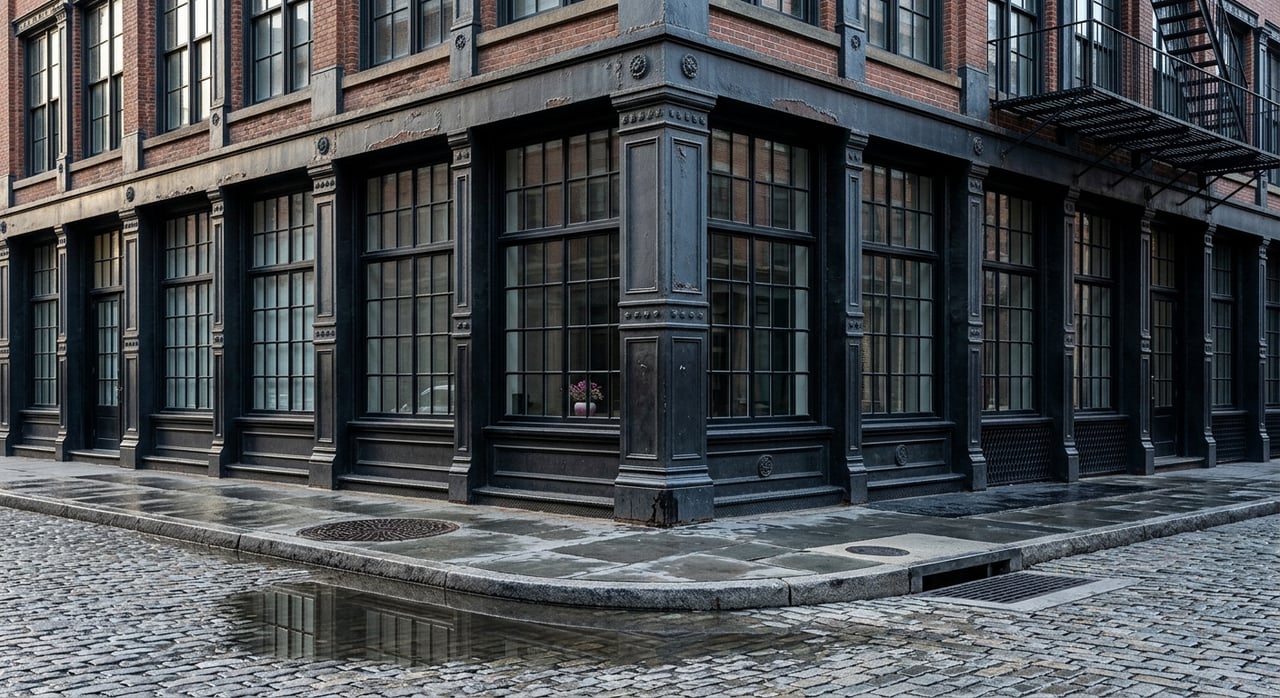
SoHo is not a neighborhood where new buildings can appear without context. The area is shaped by a large historic district, and nearly 85% of the SoHo and NoHo rezoning study area sits within six historic districts. That historic framework helps explain why new development in SoHo tends to be limited and carefully designed.
In 2021, New York City adopted the Special SoHo-NoHo Mixed Use District. This replaced the older manufacturing-only framework, allowed more housing, and guided future buildings through contextual envelopes rather than unlimited-height development. For you as a buyer, that means a SoHo new development condo is often part of a more selective and design-driven pipeline than what you might see in other parts of Manhattan.
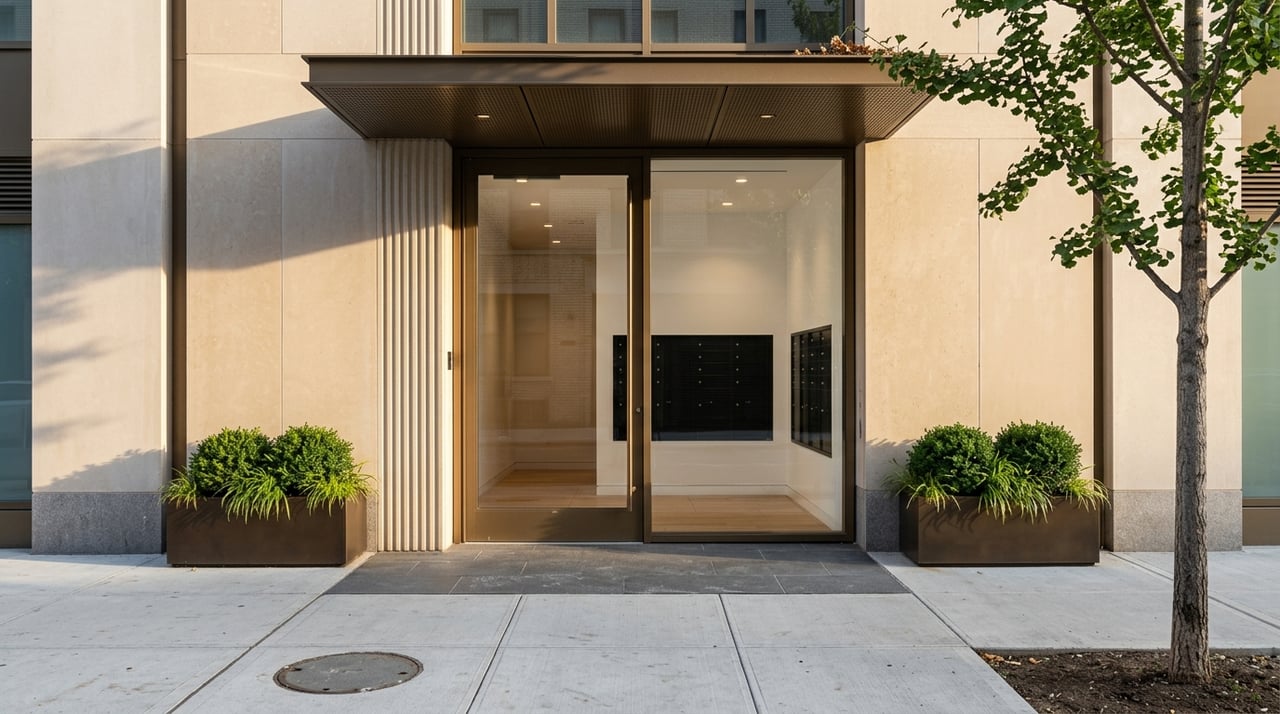
Many newer projects also aim to feel appropriate for the neighborhood. Instead of a generic glass tower approach, SoHo developments often reference loft architecture, industrial materials, and the district’s historic street presence. That design intent can be a meaningful part of the appeal if you want a newer home that still feels connected to SoHo’s built character.
What You Are Really Buying
A new development purchase in New York is not just about the model unit or the sales gallery. It is a sponsor-led transaction, and the key document is the offering plan. According to the New York Attorney General, you should read the full plan and consult an attorney before signing.
That matters because marketing materials do not control the transaction. Brochures, renderings, and verbal promises may help you picture the lifestyle, but if a feature is not written into the offering plan or purchase agreement, you should not assume it is guaranteed. The written documents define what the sponsor must actually deliver.
If the building is still under construction, the offering plan should spell out core details such as unit size, construction quality, and ancillary spaces like amenities, parking, or rooftop features. In practical terms, this is where you confirm whether the details that attracted you are part of the legal deal or simply part of the presentation.
What To Review Before Signing
When you evaluate a SoHo new development condo, it helps to stay focused on a short list of high-value review points.
Start With the Offering Plan
Your first question should be simple: what is the sponsor required to deliver in writing? Review the unit specifications, finishes, layouts, common areas, and any promised extras. If a premium appliance package, storage room, roof feature, or parking arrangement matters to you, make sure it appears in the governing documents.
Separate Marketing From Commitments
Renderings can be beautiful, especially in luxury new development. Still, the Attorney General’s guidance is clear that you should not rely on visual materials or verbal statements when they are not reflected in the written plan. If a finish, layout change, or amenity is important to your decision, ask for confirmation in writing.
Review Conversion Disclosures Carefully
Some SoHo opportunities may involve conversions rather than entirely ground-up construction. In those cases, the sponsor must disclose defects visible to its engineer or known to the managing agent. That makes document review especially important because conversions can blend new finishes with older building infrastructure.
Check the Building’s Paper Trail
For a conversion, buyers should also review board minutes, financial reports, and violation histories for signs of building issues. This can help you understand whether there are unresolved conditions, future capital work, or other factors that may affect ownership costs and day-to-day experience. In a neighborhood with many older buildings, this step can be especially valuable.
What SoHo Buyers Often See in Newer Projects
Recent SoHo developments suggest a fairly clear pattern. Buyers are often getting a polished, high-finish product with strong service and amenities, while the architecture still tries to visually belong in a historic loft district. That mix is a big part of what makes SoHo new development distinct.
At 565 Broome SoHo, the building uses a custom-profile aluminum and glass curtain wall with curved corners. Reported amenities include about 17,000 square feet of shared spaces such as a pool, fitness center, sauna, steam room, lounges, and an indoor conservatory, along with residences featuring white oak floors and cabinetry, Miele appliances, and 10-foot ceilings.
One Vandam emphasizes a landscaped outdoor terrace, sun-filled amenity spaces, 9-foot windows, and a variegated limestone-and-glass facade. Its lobby materials include anodized aluminum, concrete, and walnut, showing how newer SoHo buildings often mix industrial references with warmer luxury finishes.
XOCO 325 takes an even more direct cue from the district’s cast-iron legacy. Its custom cast-aluminum facade was inspired by SoHo’s cast-iron buildings, while residences include 10-foot ceilings, open layouts, custom plasterwork, and radiant heated flooring. Reported building features also include a private courtyard garden, 24/7 concierge or doorman service, bike room, and private storage.
New Development vs Classic SoHo Loft
Many buyers comparing SoHo homes are really weighing two different experiences. One is the turnkey convenience of a new development condo. The other is the character and flexibility of a classic loft conversion.
What Defines a Classic Loft
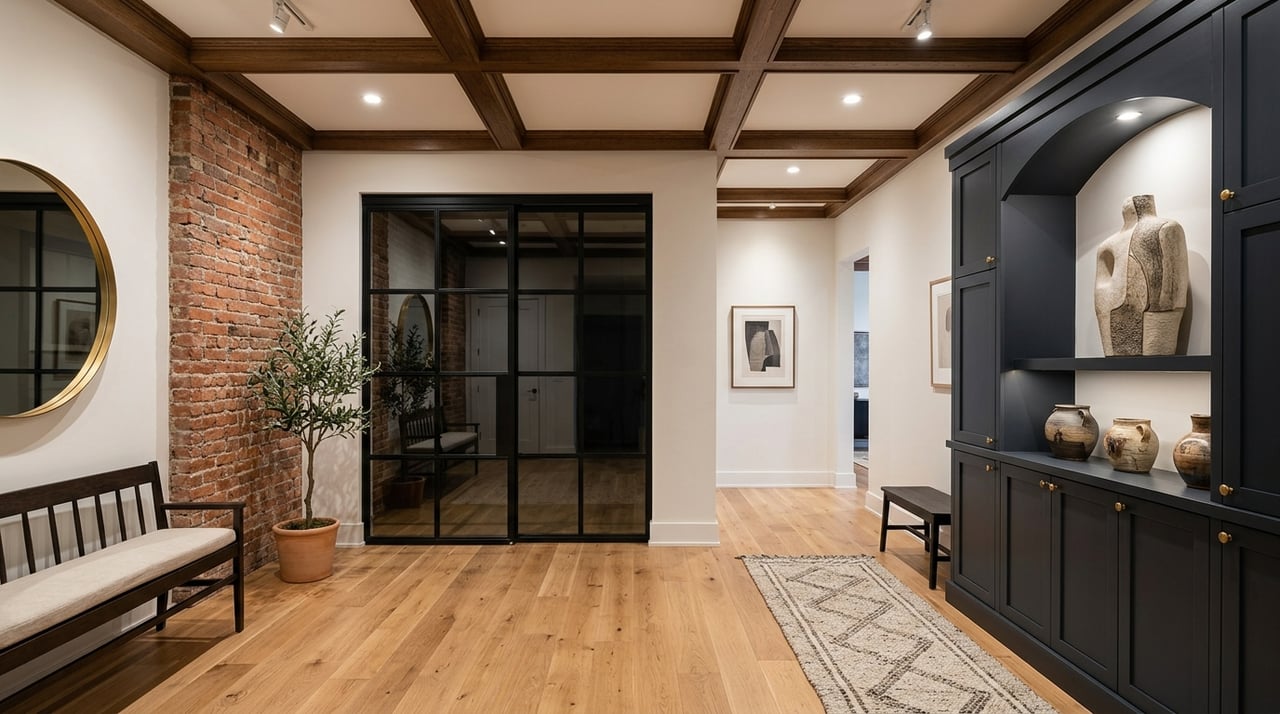
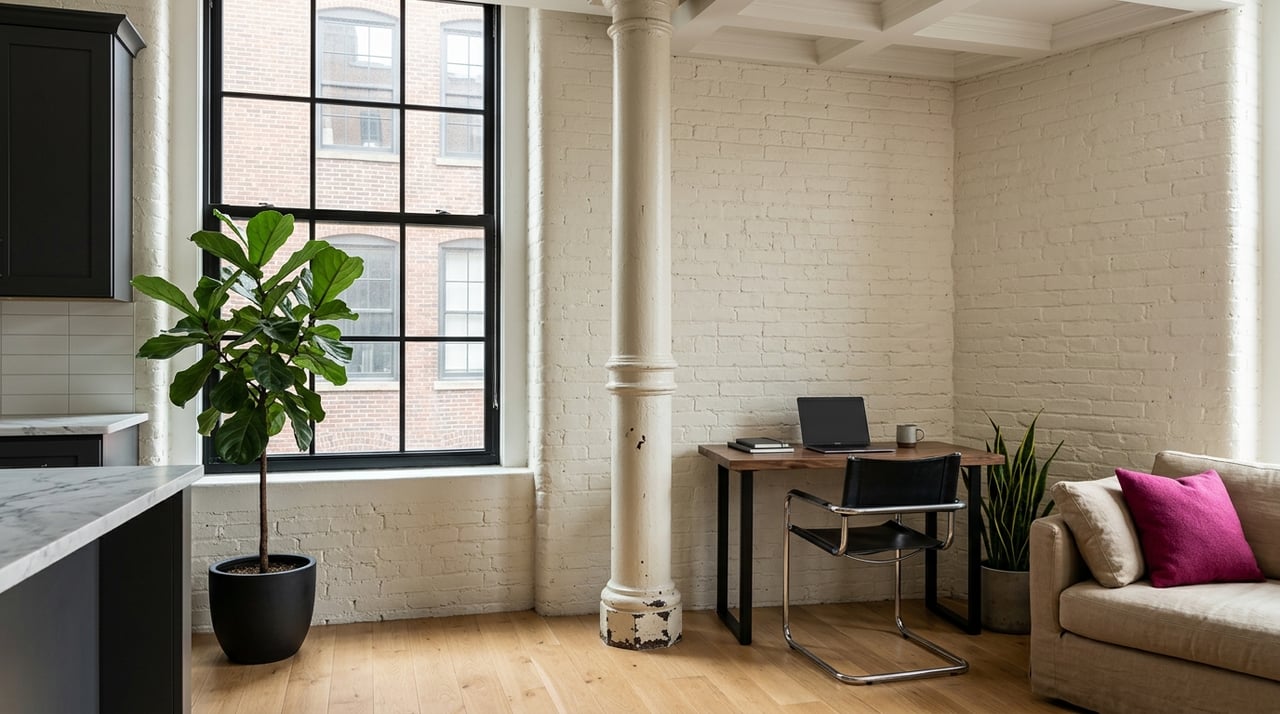
SoHo’s historic district is known for cast-iron buildings with large display windows and upper floors that originally served office, storage, and manufacturing uses. Renovated lofts in the area often feature exposed brick, original beams and columns, vaulted brick ceilings, oversized windows, open living spaces, and visible mechanical elements. If you love architectural texture, these details may be a major draw.
What New Development Often Offers
A new-development condo is more likely to provide newer mechanical systems, a more standardized bedroom and bath layout, and a more formally programmed amenity package. For many buyers, that can translate into easier move-in, less immediate renovation planning, and a more predictable ownership experience.
How To Choose Between Them
This choice is usually not about one option being better than the other. It is about your priorities. If you value concierge-style services, a refined finish package, and a more turnkey setup, new development may fit you better.
If you care more about idiosyncratic proportions, raw industrial character, and the feeling of living inside SoHo’s original architectural fabric, a classic loft may be more compelling. Either way, careful due diligence matters, especially when an older structure is part of the picture.
Your Walkthrough Matters More Than You Think
Before closing, the New York Attorney General recommends a thorough walkthrough and a written punch list. This is your opportunity to identify issues with appliances, plumbing, heating, and cooling before the transaction is complete. Even in a luxury building, small unfinished items or performance issues can surface at the last stage.
The key is to be specific and organized. If something is incomplete or not functioning as expected, it should be documented clearly. That creates a record of what needs attention and helps protect you from confusion after closing.
Smart Questions To Ask Your Team
A SoHo new development purchase works best when your attorney, lender, and agent are aligned early. Clear questions can help you avoid assumptions and keep the process moving.
Consider asking:
- What exactly is the sponsor obligated to deliver under the offering plan?
- Are the finishes, appliance brands, and layout details shown in marketing materials actually part of the written agreement?
- If this is a conversion, what defects were disclosed?
- What do the most recent board minutes, financial reports, and violation histories show?
- What should be inspected during the final walkthrough?
- Which incomplete items should appear on the punch list or closing documents?
- If you are buying from outside New York or from abroad, what documentation and timing issues should be coordinated in advance?
These questions are especially useful in SoHo, where new development can sit at the intersection of luxury design, historic context, and more nuanced building conditions.
Why Guidance Matters in SoHo
SoHo new development can be a compelling option if you want a modern home in one of Manhattan’s most iconic neighborhoods. But the rarity of these projects, the historic setting, and the detail-heavy nature of sponsor purchases mean that the process benefits from careful review at every stage. The goal is not just to find a beautiful apartment, but to understand exactly what you are buying.
If you want a clear, high-touch approach to evaluating SoHo new development condos, Lena Simpson can help you navigate the details with the level of care, strategy, and negotiation that luxury Manhattan purchases demand.
FAQs
What makes SoHo new development condos rare?
- SoHo has extensive historic district protections, and nearly 85% of the SoHo and NoHo rezoning study area sits within six historic districts, which helps limit and shape new development.
What document matters most in a SoHo condo sponsor purchase?
- The offering plan is the key document because it sets out what the sponsor is legally required to deliver, including unit details and certain building features.
What should buyers verify about SoHo condo amenities?
- You should confirm that amenities, storage, parking, rooftop features, and premium finishes are promised in writing rather than shown only in brochures or renderings.
How are SoHo new development condos different from classic lofts?
- New development condos often offer newer systems, more standardized layouts, and formal amenity packages, while classic lofts usually offer more original industrial character and less uniform layouts.
What should buyers review in a SoHo condo conversion?
- In a conversion, you should review disclosed defects, board minutes, financial reports, and violation histories to better understand building condition and possible future costs.
What should happen before closing on a SoHo new development condo?
- Before closing, you should complete a thorough walkthrough and create a written punch list covering issues like appliances, plumbing, heating, and cooling.