Wondering whether Tribeca makes sense for your next chapter? If you are ready to trade home maintenance for a more streamlined lifestyle, but still want space, comfort, and a strong sense of place, Tribeca often enters the conversation for good reason. This guide will help you weigh the lifestyle, housing options, market realities, and practical trade-offs so you can decide if Tribeca fits the way you want to live now. Let’s dive in.
Why Tribeca Appeals to Empty Nesters
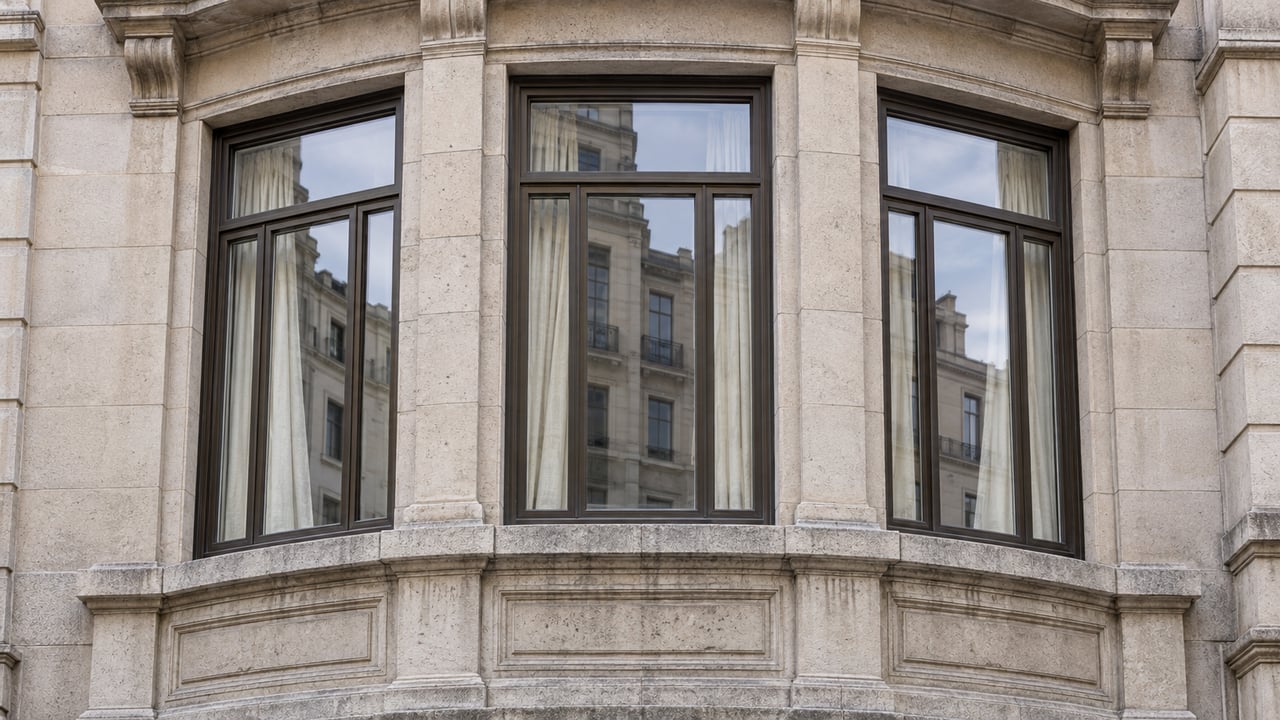
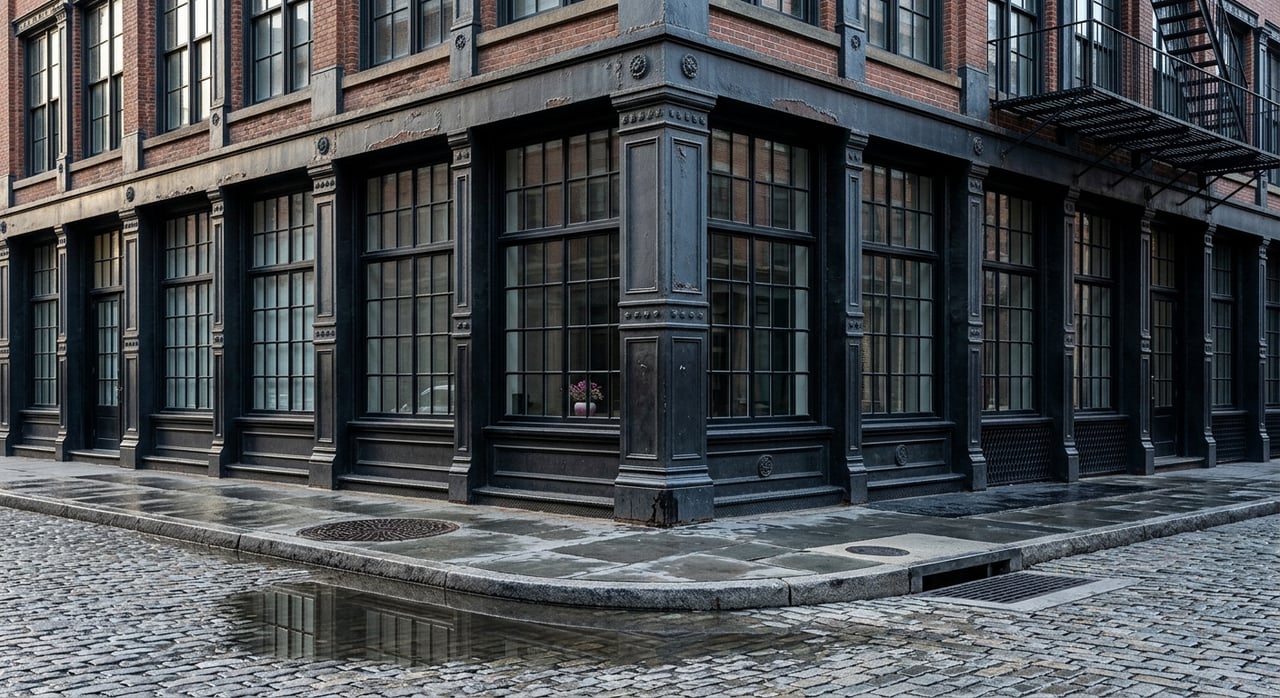
Tribeca offers a version of Manhattan living that can feel both polished and practical. The neighborhood is known for cast-iron loft buildings, wide cobblestone streets, and striking newer developments, which gives it a distinct downtown character with a more spacious feel than many other parts of the city.
For many empty nesters, the biggest draw is simplicity. Instead of managing a larger home, outdoor upkeep, and constant repairs, you may be able to shift into a residence with building services and amenities that make day-to-day living easier.
Tribeca also blends convenience with experience. You are not just buying square footage. You are choosing access to riverfront recreation, destination dining, cultural events, and transit that can support a more flexible routine.
What Daily Life in Tribeca Feels Like
One of Tribeca’s strongest lifestyle advantages is Hudson River Park. The park stretches along the waterfront from Chambers Street to West 59th Street, and the Tribeca section includes Pier 25, Pier 26, lawns, a boardwalk, courts, kayaking, food options, a skatepark, and a dog park.
That kind of access can shape your everyday rhythm. Whether you prefer morning walks, evening strolls, or time outside without planning a full outing, the park’s hours from 6:00 a.m. to 1:00 a.m. make it easy to build into your routine.
The neighborhood also has a strong cultural identity. The Tribeca Festival, founded to help revitalize downtown after 9/11, continues to bring premieres, talks, and events to the area, giving residents more than just a residential address.
Dining is another major part of the appeal. The MICHELIN Guide currently lists several Tribeca restaurants, including Chambers, L'Abeille, Tamarind, and Huso, which supports the idea that a polished dinner out can often stay close to home.
Housing Options That May Fit This Stage
If you are downsizing from a suburban house or a larger apartment, Tribeca gives you a different kind of value. According to PropertyShark, Tribeca is one of the Manhattan neighborhoods where condos are concentrated, and median condo sizes are above 1,500 square feet.
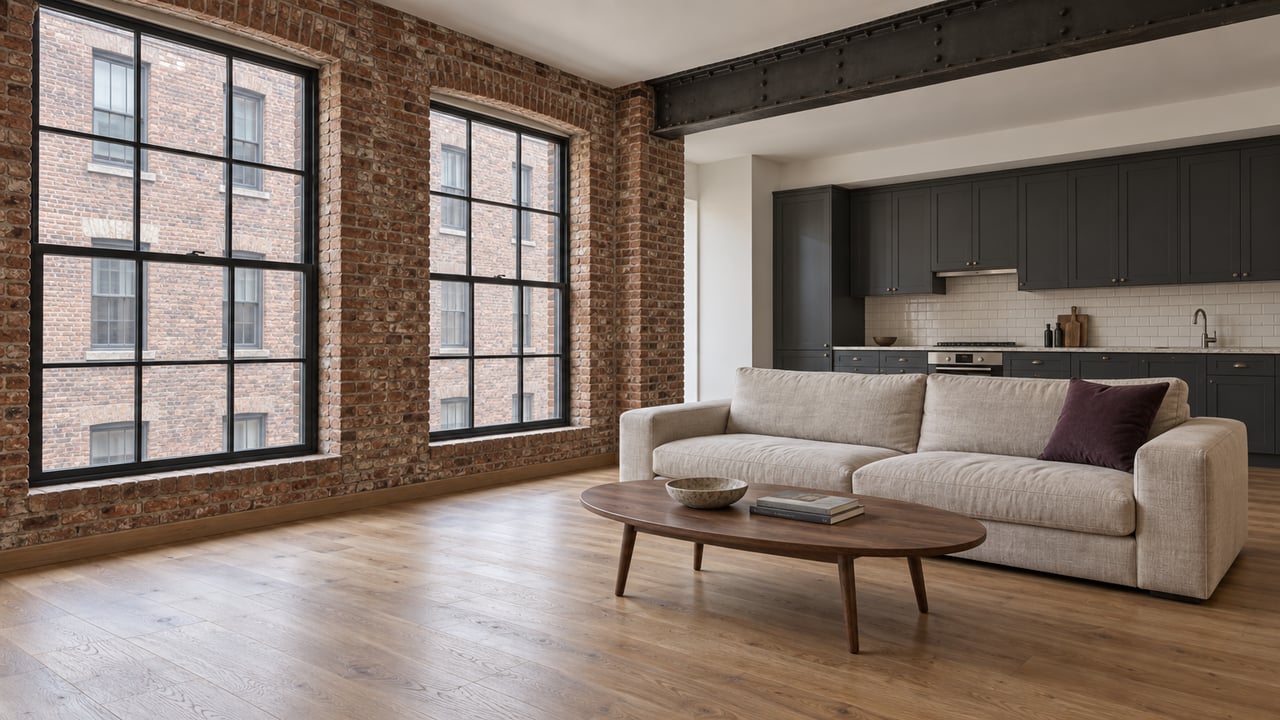
That matters because downsizing does not always mean going small. In Tribeca, you may still find the room for entertaining, a home office, or space for visiting family while reducing the maintenance demands that often come with a standalone home.
Some buildings also offer the kind of features that can make daily life easier. A StreetEasy listing page for a Tribeca loft building notes amenities such as an elevator, virtual doorman, basement storage, gym, and parking garage, which can make apartment living feel more manageable and more lock-and-leave friendly.
Historic Character and Renovation Questions
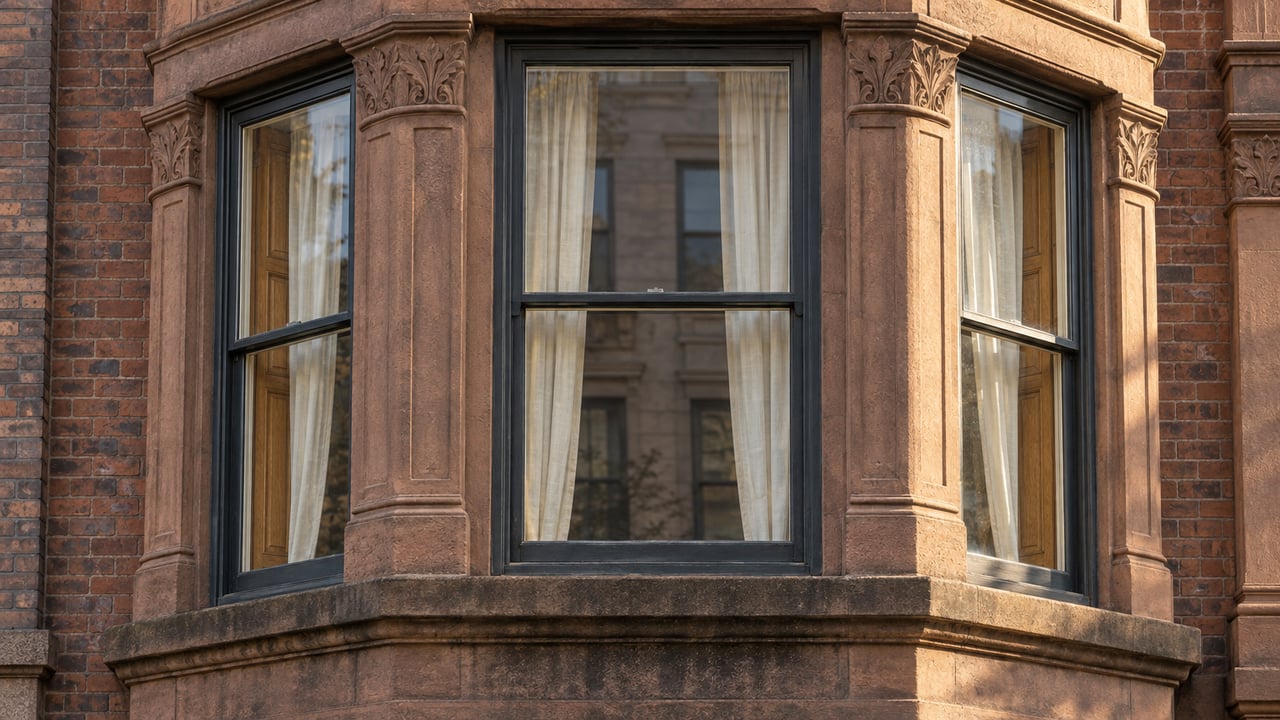
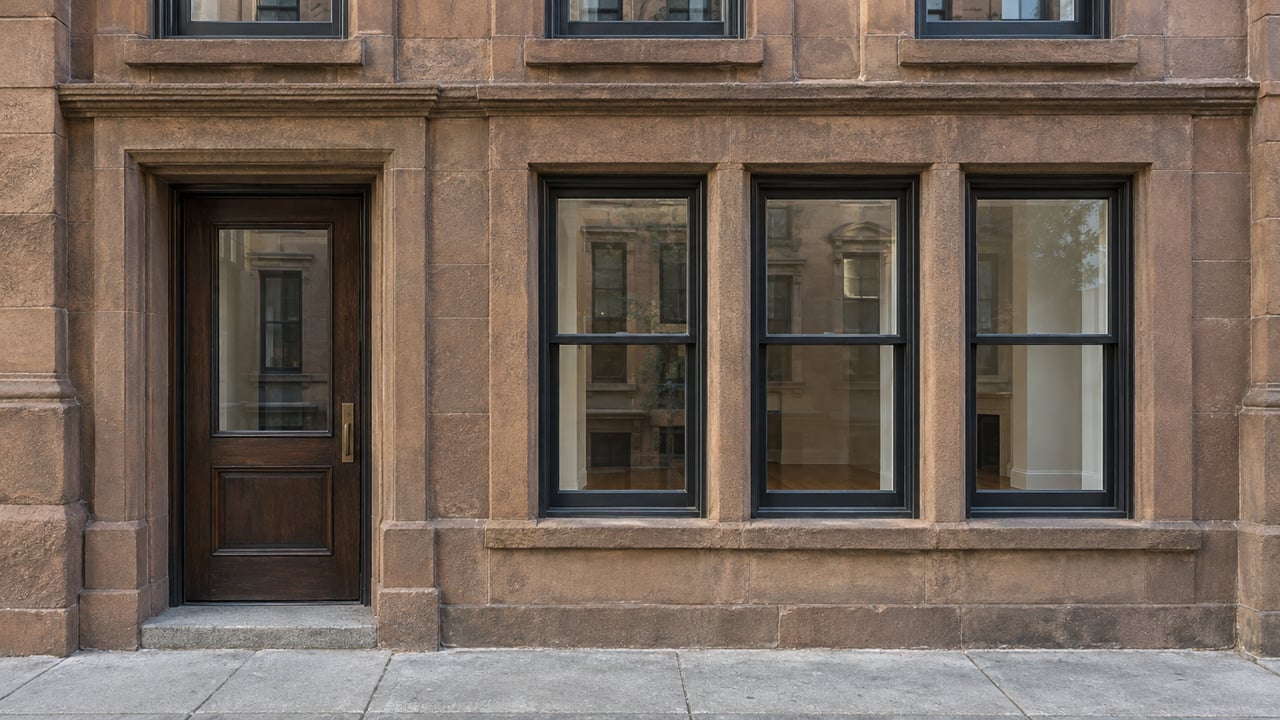
Tribeca’s built environment is a big part of its appeal, especially if you love architecture and loft living. The Tribeca South Historic District includes 70 buildings and two undeveloped lots, and the Landmarks Preservation Commission describes much of the district as mid-19th-century store-and-loft buildings with cast-iron-framed storefronts.
For buyers, that historic character can be a major benefit, but it also means you should look carefully at the building and unit details. If your ideal home includes a highly customized renovation or extensive updates, it is important to understand what may be possible in a landmarked setting.
The good news is that landmark designation does not freeze a building in place. The Landmarks Preservation Commission notes that designation does not prevent change, which can be reassuring if you want a classic loft shell with a more modern interior approach.
Condos, Co-ops, and Ease of Ownership
One practical question for empty nesters is not just where to live, but how you want ownership to work. In Tribeca, condos come up often because they are concentrated in the neighborhood and can appeal to buyers who want a more flexible, lower-friction ownership experience.
In New York City generally, condos tend to have a simpler approval process than co-ops. Co-ops often involve board package and interview steps, so if convenience, timing, or part-time use matters to you, that distinction is worth weighing carefully.
That said, every building is different. Before you move forward, it is important to compare building rules, carrying costs, approval requirements, and how the building supports your intended use of the home.
Transit and Getting Around
Tribeca can work well if you want to stay connected without relying on a car. One StreetEasy building page in the neighborhood lists nearby access to the 1, A/C/E, N/Q/R/Z, and 4/5/6 trains, which supports the area’s reputation for practical connectivity.
Accessibility may also matter more as your housing priorities change. The MTA notes that Chambers Street station in Manhattan is accessible, which can be a meaningful factor if ease of movement is part of your long-term planning.
For many buyers, this type of transit access supports a more spontaneous lifestyle. You can stay engaged with the rest of Manhattan while keeping your home base in a neighborhood that feels a bit more relaxed and residential.
What the Market Looks Like Now
Tribeca sits firmly in Manhattan’s luxury tier, so price is a central part of the decision. Spring 2026 data shows high pricing across multiple sources, though the exact number varies by methodology.
Zillow reported a median list price of $3.815 million and 151 homes for sale as of April 30, 2026. Redfin reported a median sale price of $3.9 million over the prior three months, while Realtor.com showed a median listing price of $4.5 million, 201 active listings, a 97% sale-to-list ratio, and a median 52 days on market in May 2026.
PropertyShark’s April 2026 snapshot put median condo sales at $3.4 million and median co-op sales at $5.2 million. The larger takeaway is simple: Tribeca can offer real lifestyle value, but it comes at a premium.
When Tribeca Makes Sense
Tribeca may be a strong fit if your goal is to simplify your home life without giving up quality. Buyers who value walkability, riverfront access, dining, culture, and strong building services often find the neighborhood especially compelling.
It can also make sense if you are ready to redirect your housing budget. Rather than paying for land, a yard, or a car-centered lifestyle, you may prefer to invest in location, building quality, and convenience.
For some empty nesters, Tribeca also works well as a full-time residence with room to host. For others, it can be appealing as a pied-a-terre style home base, especially if building services and ease of use are high priorities.
When Tribeca May Not Be the Right Fit
Tribeca is not the best match for every buyer. If your top priority is a lower entry price, private outdoor space, or a more car-dependent lifestyle, the neighborhood may feel like the wrong trade.
It may also be less appealing if you want a very simple purchase decision without much building-by-building comparison. In Tribeca, details matter, especially when you are evaluating condos versus co-ops, amenities, carrying costs, and any renovation goals.
That does not make the neighborhood difficult. It simply means the right fit often comes down to matching one specific building and unit to the way you want to live.
Questions to Ask Before You Decide
A smart move starts with the right questions. If you are considering Tribeca, these are some of the most useful ones to ask yourself:
- Do you want elevator or doorman service?
- How much space do you really want for guests, work, or hobbies?
- Will you live in the apartment full-time or use it part-time?
- How important is renovation flexibility in a historic building?
- Do you prefer a condo’s typical approval path or are you open to a co-op process?
- Are you comfortable paying a premium for location, amenities, and lifestyle convenience?
Your answers can clarify whether Tribeca is truly aligned with this next stage, or whether another Manhattan neighborhood might suit you better.
Final Takeaway
For many empty nesters, Tribeca offers a compelling middle ground. You can simplify your day-to-day life, keep meaningful square footage, and stay connected to parks, dining, culture, and the energy of Manhattan.
At the same time, this is a premium market where nuance matters. Building type, services, approval requirements, renovation potential, and long-term lifestyle goals should all shape the decision.
If you are weighing whether Tribeca is the right next move, working with an advisor who understands both the financial and lifestyle sides of the decision can make the process much clearer. To talk through your goals and compare the right opportunities, connect with Lena Simpson.
FAQs
Is Tribeca a good neighborhood for empty nesters in Manhattan?
- Tribeca can be a strong fit for empty nesters who want lower-maintenance living, larger apartment layouts, riverfront access, dining, culture, and strong building amenities without leaving Manhattan.
What types of homes do empty nesters find in Tribeca?
- Tribeca includes lofts, condos, co-ops, and newer luxury buildings, and research shows the neighborhood has a notable concentration of condos with median sizes above 1,500 square feet.
Are Tribeca condos easier to buy than Tribeca co-ops?
- In New York City generally, condos tend to have a simpler approval process than co-ops, while co-ops often include board package and interview steps.
Is Tribeca expensive for empty nesters buying in 2026?
- Yes. Spring 2026 data from multiple sources places Tribeca firmly in the luxury tier, with reported median list or sale prices ranging from about $3.4 million for condo sales to $5.2 million for co-op sales depending on the source and metric.
Does Tribeca offer outdoor space and recreation for daily life?
- Yes. The Tribeca section of Hudson River Park includes waterfront paths, lawns, courts, kayaking, food options, and other recreation spaces that can support daily walks and outdoor routines.
Can you renovate a historic loft in Tribeca?
- Potentially, yes. The Landmarks Preservation Commission notes that landmark designation does not freeze a building in place, but renovation flexibility should still be reviewed carefully for the specific building and apartment you are considering.