If you are drawn to SoHo, chances are you are not looking for a cookie-cutter apartment. You want volume, texture, and a home that feels connected to the neighborhood’s creative history while still working for modern life. The good news is that SoHo lofts offer exactly that, if you approach design with equal parts vision and discipline. Let’s dive in.
Why SoHo lofts feel different
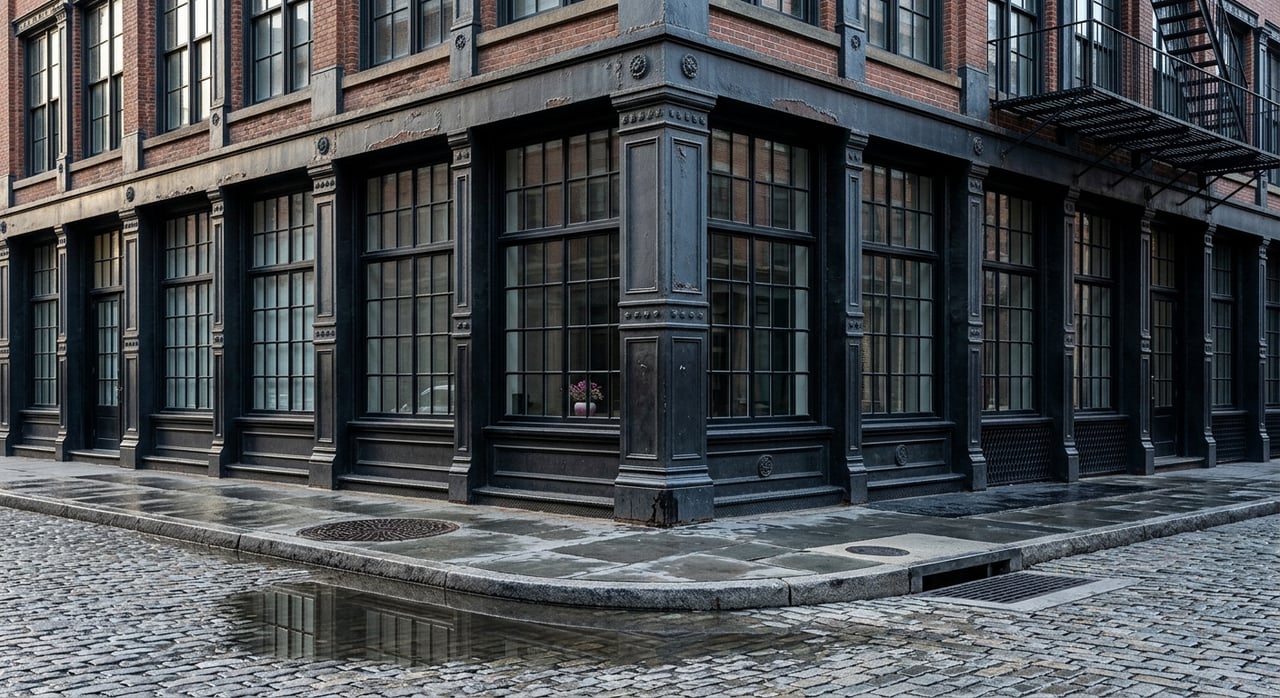
SoHo’s design language starts with the buildings themselves. The SoHo-Cast Iron Historic District was first designated in 1973 and protected about 500 buildings across 25 blocks, with a later extension in 2010 adding roughly 135 properties. That preserved a streetscape defined by cast-iron facades, masonry loft buildings, and post-Civil War store-and-loft architecture.
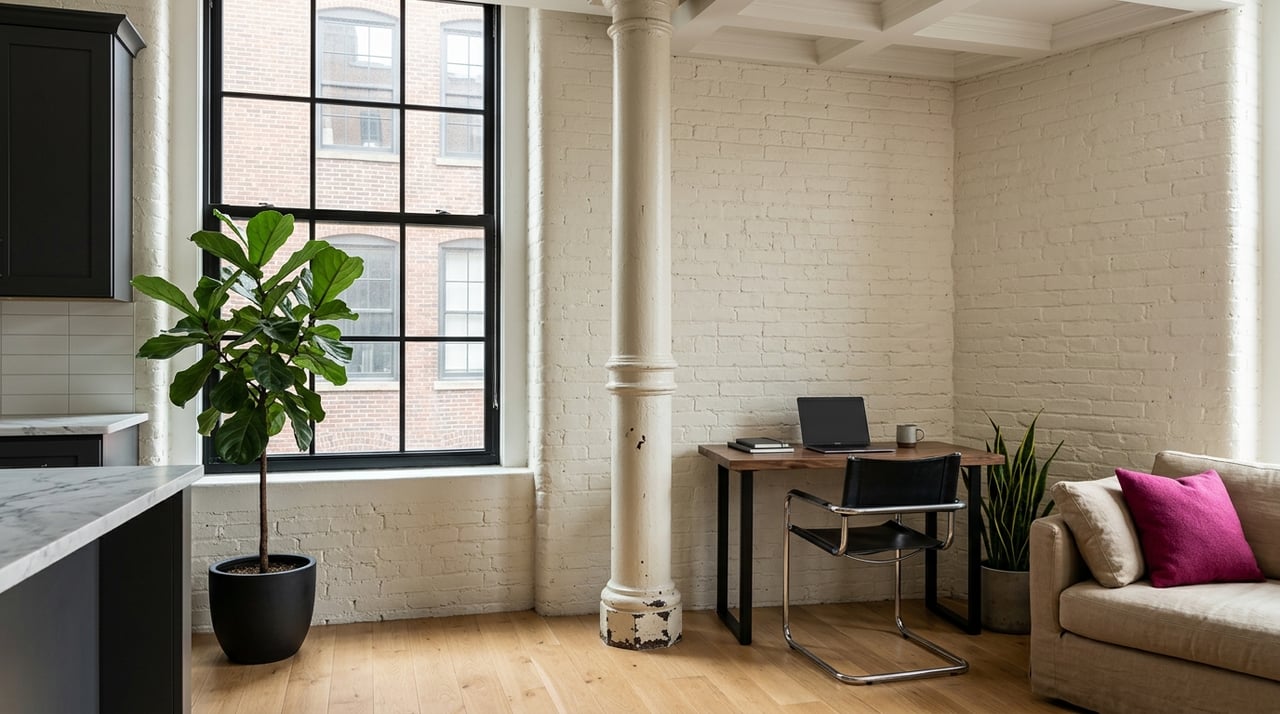
Inside, that history often translates into large floor plates, high ceilings, oversized windows, and visible structural character. In practical terms, a SoHo loft usually feels best when the original shell remains legible rather than hidden. For buyers, that is an important mindset shift before you start thinking about finishes, furniture, or renovation plans.
SoHo also remains a mixed-use neighborhood with a long live-work legacy. The city’s current Special SoHo-NoHo Mixed Use District, established in 2021, reinforces that mixed-use identity while supporting housing and cultural activity. That context helps explain why flexible, layered interiors often feel more natural in SoHo than rigid room-by-room layouts.
Start with the loft shell
The strongest design-forward SoHo interiors usually begin by preserving what gives the space its identity. That can mean keeping cast-iron details, exposed masonry, loft-scale windows, and structural features visible while updating the home around them. The goal is not to freeze the apartment in time, but to let the architecture do part of the design work for you.
This approach also tends to support a cleaner renovation strategy. New millwork, lighting, and storage can define how you live without visually competing with the historic bones. In a neighborhood where the building fabric matters, restraint often reads as more sophisticated than over-design.
If you are touring lofts, pay attention to what has already been removed or covered. A polished renovation is not always the same as a smart one. In SoHo, the most compelling homes often balance originality and comfort instead of choosing one over the other.
Use zones instead of hard rooms
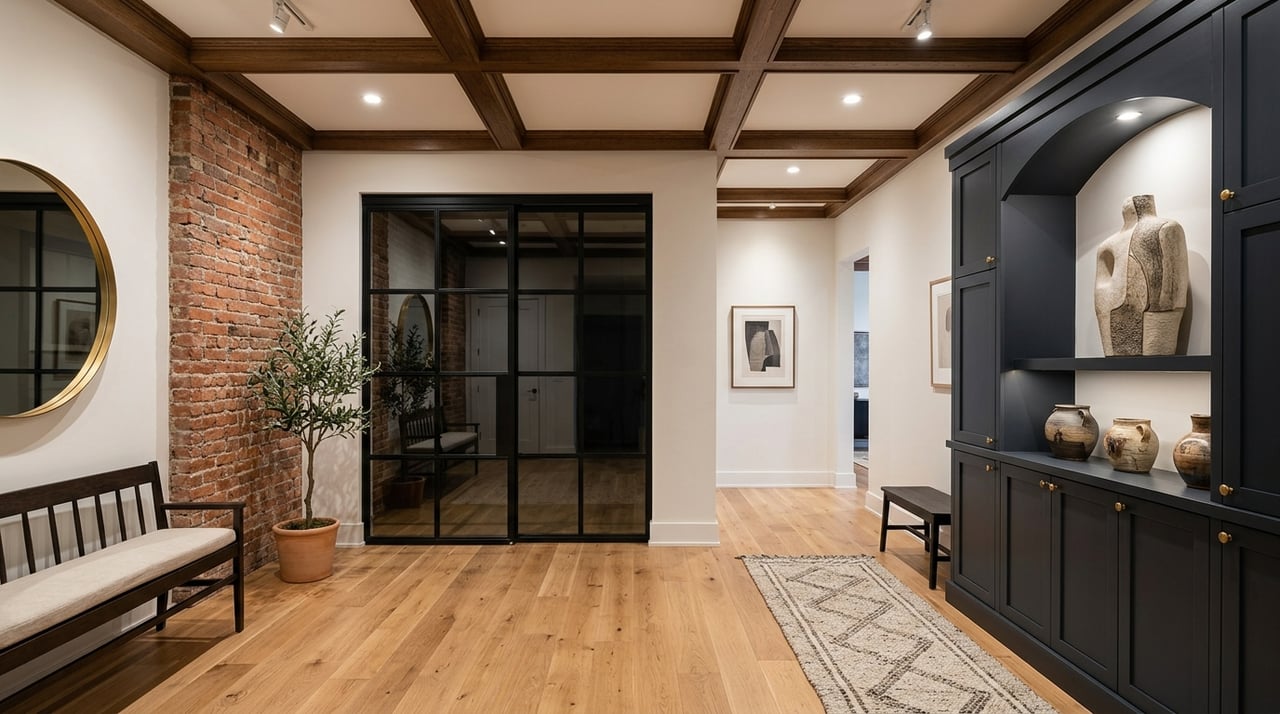
One of the most practical loft design ideas for SoHo buyers is to think in zones rather than fully closed rooms. Because many SoHo lofts grew out of store-and-loft buildings with open proportions, the space often works best when you preserve visual flow. That does not mean sacrificing privacy. It means creating function without shrinking the loft’s scale.
A zoning strategy can help you define sleeping, working, dining, and entertaining areas while keeping the volume intact. This is especially useful if you want the home to feel calm and organized without losing the openness that attracted you in the first place. It also supports the live-work flexibility that has long been part of the neighborhood’s identity.
Design tools that can help include:
- Glass partitions
- Sliding doors
- Freestanding storage walls
- Built-in shelving
- Custom millwork that separates functions without blocking light
The best zoning solutions feel intentional, not improvised. When done well, they create privacy and order while preserving sightlines, daylight, and the loft’s sense of scale.
Add comfort without losing character
Many buyers love the look of a SoHo loft but still want a home that supports everyday living. That often means making the space quieter, more efficient, and easier to organize. The key is to improve comfort in ways that do not erase the building’s industrial character.
A thoughtful refresh may include a more enclosed primary suite, stronger closet systems, discreet kitchen storage, better acoustics, and upgraded mechanical systems. These updates can make the space feel more livable while still keeping structural features and historic materials visible. In many cases, this balance is what separates a beautiful loft from one that truly functions well day to day.
As you plan, try to prioritize the changes that improve your daily routine most. Storage, sound control, and climate performance may not be the flashiest design choices, but they often have the biggest impact on long-term satisfaction. In a luxury purchase, comfort is part of good design.
Verify legal use before planning
Before you start sketching renovation ideas, confirm exactly what you are buying. In SoHo, that means verifying the unit’s legal use and building history. Because many buildings predate the modern certificate system, a traditional Certificate of Occupancy may not exist for some properties built or altered before 1938, and a Letter of No Objection may be used to confirm legal use.
You can review property records through the Building Information System and the DOB NOW Public Portal. This step matters because design plans, occupancy expectations, and future renovation options can all depend on how the unit is classified. What looks like a straightforward loft may have a more nuanced legal framework behind it.
This is especially important in SoHo because occupancy categories can vary. According to city planning guidance, units in SoHo and NoHo may include JLWQA spaces for certified artists, Loft Law buildings and legalized former interim multiple dwellings, as well as converted or newly built residential units approved through city processes. Those distinctions can affect occupancy, renovation scope, and next steps after closing.
Understand landmark review early
In SoHo, design ambition should always be paired with permitting awareness. If the building is landmarked or located within a designated historic district, Landmarks Preservation Commission approval may be required before work begins. That can apply to exterior work and, in some cases, interior work on designated landmark properties.
Depending on the scope, the project may fall under a Certificate of No Effect, a Permit for Minor Work, or a Certificate of Appropriateness. The encouraging news is that LPC says 95% of permit approvals are issued at staff level rather than through a full Commission hearing. Even so, buyers should not assume that a light refresh is automatically exempt from review.
LPC examples of work that may require review include interior renovations, plumbing and heating equipment, window or door replacement, masonry repair, and restoration of architectural details. That means your timeline, budget, and design direction can all benefit from early clarity. In a SoHo purchase, permit strategy is part of design strategy.
Ask better questions before renovating
A smart SoHo buyer does not just ask what looks good. You also want to ask what is feasible, compliant, and worth the investment. The right early questions can save time and reduce expensive surprises later.
Here are some of the most useful questions to bring to your designer, contractor, and real estate advisor:
- Is the unit JLWQA, a Loft Law unit, or standard residential space?
- If it is JLWQA, does the occupancy status align with current rules?
- Which historic elements should remain visible?
- Will new partitions or system upgrades trigger LPC review?
- Is the work likely to require a Certificate of No Effect, Permit for Minor Work, or Certificate of Appropriateness?
- Do planned updates require DOB permits?
- Is the contractor licensed for home-improvement work in New York City?
DOB guidance notes that most construction in New York City requires DOB approval and permits, although some minor alterations do not. It also notes that contractors performing home-improvement work must be licensed through the Department of Consumer and Worker Protection. For buyers, this is more than a paperwork issue. It is part of protecting your investment and keeping the project on track.
Design choices that fit SoHo
If you want a design-forward look that feels authentic to SoHo, focus on contrast, clarity, and function. Historic texture tends to pair well with clean-lined interventions. That can mean refined millwork, tailored lighting, natural wood tones, and quiet material palettes that support the architecture rather than overpower it.
You do not need to make every choice feel industrial to respect the setting. In fact, some of the strongest SoHo interiors balance industrial structure with warmer, more residential elements. Think soft acoustics, concealed storage, and a more edited visual rhythm that helps the loft feel calm.
A few design principles that often translate well include:
- Keep original architectural features visible where possible
- Use built-ins to create order without clutter
- Favor partitions that preserve light and sightlines
- Upgrade systems discreetly for comfort
- Let scale, materials, and proportion lead the aesthetic
For many buyers, the goal is not simply to renovate. It is to create a home that feels unmistakably SoHo while still fitting how you live now.
Buy with both vision and rigor
SoHo lofts can be deeply rewarding purchases, but they ask more of you than a standard apartment. You are often buying into architectural history, layered occupancy rules, and a design opportunity that benefits from careful planning. That is exactly why the right guidance matters.
When you combine strong aesthetic instincts with early due diligence, you put yourself in a much better position to create a home that is both beautiful and practical. In a market like SoHo, that balance can protect your lifestyle and your investment. If you are considering a loft purchase and want tailored guidance on fit, value, and next steps, connect with Lena Simpson.
FAQs
What makes SoHo loft design different from other Manhattan homes?
- SoHo lofts are shaped by historic cast-iron and masonry store-and-loft buildings, which often create larger open layouts, taller ceilings, and more visible architectural character than standard apartments.
What should a SoHo buyer verify before renovating a loft?
- You should verify the unit’s legal use, building history, occupancy category, and whether planned work may require DOB permits or Landmarks Preservation Commission approval.
What does JLWQA mean for a SoHo buyer?
- JLWQA refers to joint living-working quarters for artists, and buyers should confirm whether the unit falls under that category and whether occupancy aligns with current city rules.
Do interior renovations in SoHo require landmark approval?
- In some cases, yes. LPC states that designated properties may require permits for certain exterior work and, in some cases, interior work, depending on the scope and whether protected features are affected.
What design approach works best in a SoHo loft?
- A strong approach is to preserve the original shell, define functions through zones instead of heavy partitions, and add comfort features like storage, acoustics, and system upgrades without hiding the loft’s character.
How can a SoHo buyer avoid renovation surprises?
- Start with property record checks, confirm legal occupancy, ask early permit questions, and work with properly licensed professionals before finalizing your design plan.