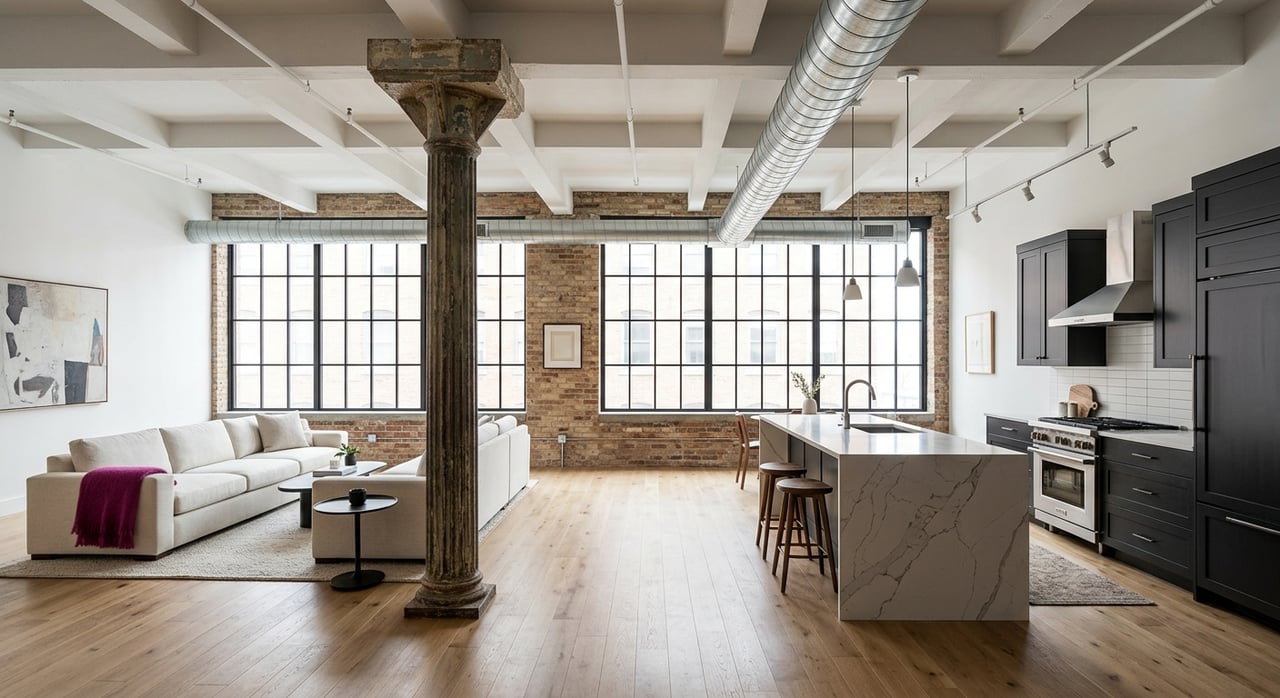
If you have ever walked through SoHo and wondered why its homes feel so different from typical Manhattan apartments, the answer is built right into the architecture. SoHo loft living offers volume, light, and historic character that can feel hard to find elsewhere in the city, but it also comes with legal and practical details that deserve a closer look. If you are thinking about buying, renting, or simply learning the market, this guide will help you understand what makes a SoHo loft unique and what to watch for before you make a move. Let’s dive in.
What defines a SoHo loft
SoHo’s identity comes from its history as a cast-iron commercial district that later evolved through artist live-work use into a luxury residential market. City planning materials describe the area as a long-running mixed-use neighborhood where commerce, jobs, and culture overlap. That layered history still shapes how the neighborhood looks and functions today.
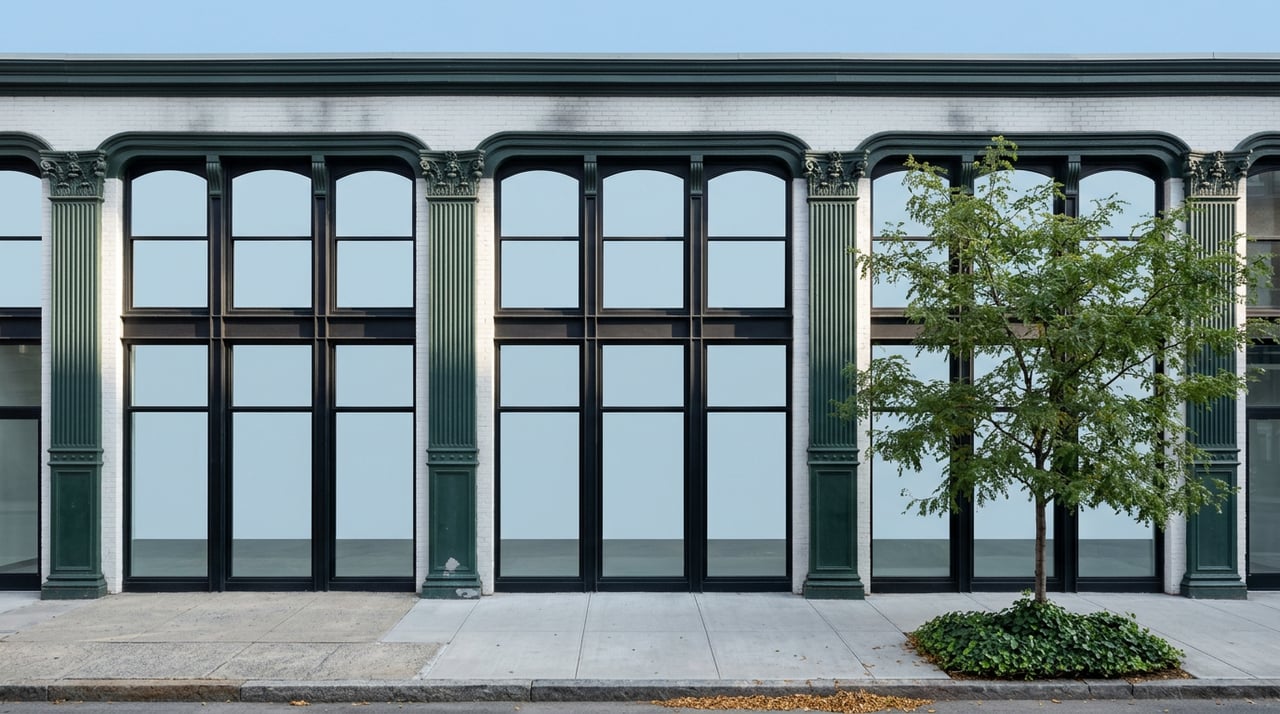
Much of SoHo also falls within the SoHo-Cast Iron Historic District and its extension. The historic core is known for mid- to late-19th-century loft buildings, usually five to seven stories tall, built on narrow lots and generally without setbacks. That consistent building pattern gives SoHo its recognizable streetscape and strong architectural rhythm.
Why SoHo lofts feel so dramatic
Classic SoHo lofts were designed for commercial use, not conventional apartment layouts. As a result, many have open floor plates, large factory-style windows, visible columns, and exposed brick or beam structure. Even when a unit is not unusually large, those features can make it feel expansive and memorable.
The buildings were also built to bring in daylight. Large windows and tall, open commercial floors created spaces that emphasized light and flexibility rather than smaller enclosed rooms. That design history is a big reason SoHo lofts still attract buyers and renters looking for a home with presence.
Ceiling height matters
High ceilings are one of the biggest draws in SoHo, though they vary by building and renovation. City planning documents describe SoHo loft buildings as having high ceiling heights, and recent renovation case studies show homes preserving ceilings around 13 feet, over 14 feet, and even 16 feet. While that is not a neighborhood-wide average, it gives you a realistic sense of the scale many buyers hope to find.
That extra height changes how a home feels day to day. It can make rooms feel brighter, more open, and more gallery-like. For buyers who value volume and natural light, this is often where SoHo stands apart.
Open space comes with trade-offs
The same features that make lofts appealing can also create challenges. Open plans can make it harder to add private bedrooms, storage, and quiet work areas without changing the character of the home. Renovation examples also show that updating systems often requires careful planning to preserve ceiling height and the raw loft feel.
In simple terms, SoHo lofts tend to deliver character first and convenience second. That is not a drawback for everyone, but it is important to understand before you fall in love with a floor plan.
How SoHo loft living began
SoHo’s residential story is tied to adaptive reuse. As industrial uses declined, artists began transforming vacant lofts in the 1960s and 1970s into live-work spaces. Over time, that movement helped establish SoHo as a destination for arts and design.
City planning analysis notes that many galleries that became prominent in the 1970s and 1980s later relocated, but SoHo kept a strong arts-and-culture base. Today, that legacy still influences the neighborhood experience. You see it in the building stock, the street-level energy, and the continued mix of retail, creative uses, and residential life.
Legal basics every buyer should know
One of the most important things to understand is that not every SoHo loft is legally the same. For many years, SoHo and NoHo were governed by manufacturing zoning that did not allow ordinary housing, but did allow a narrow form of live-work occupancy called Joint Living-Work Quarters for Artists, or JLWQA, for certified artists. In 2021, the SoHo/NoHo Neighborhood Plan created the Special SoHo-NoHo Mixed Use District and a voluntary path for some existing conforming JLWQA spaces to convert to residential use.
The practical takeaway is clear: you should not assume every loft is a standard apartment. Some units are fully residential. Some remain artist live-work units. Some may still fall under Loft Board jurisdiction.
Why unit status matters
The Loft Board oversees the legal conversion of certain former commercial and manufacturing spaces to residential use. The Department of Cultural Affairs certifies working artists for eligible live-work space. The Department of Buildings states that if a unit has already entered Loft Board jurisdiction, it may be occupied as residential use without Department of Cultural Affairs artist certification, but the exact status still depends on the individual unit and building.
For you as a buyer or renter, legal status matters as much as layout and finishes. Before you move forward on any SoHo loft, due diligence should include confirming how the unit is classified and whether its use matches your plans.
The neighborhood is changing
Recent city planning review says about 30 percent of all homes in SoHo and NoHo are still listed as JLWQA on the certificate of occupancy. That means legacy artist live-work stock still exists, but much of the housing inventory has already shifted toward more conventional residential use. If you are shopping in SoHo, you may encounter both types.
This mix is part of what makes the neighborhood fascinating, but it also means one loft cannot be judged by another. Each unit deserves careful review on its own facts.
Historic district rules shape ownership
Because much of SoHo sits within a designated historic district, exterior changes are regulated as preservation matters as well as construction matters. The Landmarks Preservation Commission protects architecturally and historically significant buildings and regulates them after designation. That means work such as façade updates or window replacements typically requires preservation review.
For owners, this can be an advantage and a responsibility. Preservation rules help maintain the neighborhood’s distinctive look, but they can also affect renovation timelines, design choices, and project costs.
What daily life in SoHo feels like
SoHo is not a quiet residential pocket tucked away from the city. It remains a dense mixed-use neighborhood with a strong public-facing identity. City planning materials describe it as a destination for arts and design, with artists, art studios, museums, theaters, galleries, artisanal and maker retailers, design showrooms, film and recording studios, and art installations.
At street level, the experience is active and social. Designer stores occupy many ground floors, galleries are clustered more heavily in the western portion of the neighborhood, and restaurants are especially common around West Broadway and Broome Street. If you want convenience and energy right outside your door, SoHo delivers that in a major way.
StreetEasy also describes SoHo as one of the city’s busiest neighborhoods, with tourist traffic, vendors, shopping, restaurants, and galleries contributing to constant activity. Weekends can be especially crowded. For many residents, that street life is part of the appeal. For others, it is a trade-off to weigh carefully.
SoHo market basics at a glance
SoHo remains one of Manhattan’s most expensive neighborhoods. Current public market snapshots vary by source, but they tell a consistent story of a premium market with relatively limited turnover. StreetEasy reports a median sale price of $3.4 million and a median base rent of $5,995.
Redfin reports a median sale price of $3.2 million in March 2026, up 4.2 percent year over year. Realtor reports 164 properties for sale, a median listing price of $4.15 million, pricing around $2.1K per square foot, 64 median days on market, and a 94 percent sales-to-list ratio. These figures are not interchangeable because each source measures the market differently, but together they point to strong pricing and selective inventory.
What that means for buyers and sellers
For buyers, SoHo often requires a clear budget, strong preparation, and a realistic understanding of what matters most to you. You may be balancing architecture, legal status, renovation potential, and daily street activity all at once. The homes are distinctive, but they are rarely simple cookie-cutter purchases.
For sellers, the same complexity can create opportunity. Buyers are often drawn to authentic loft features, landmarked character, and the neighborhood’s global recognition. Clear positioning and strong transaction guidance can make a meaningful difference in how a property is understood and negotiated.
Is SoHo loft living right for you
SoHo loft living tends to appeal to people who value space, light, and original architecture over a more conventional apartment setup. If you love historic detail, open layouts, and a neighborhood with constant energy, SoHo can be incredibly rewarding. It offers a kind of home that feels deeply tied to New York’s design and cultural history.
At the same time, it is important to go in with your eyes open. Legal complexity, preservation rules, weekend crowds, and premium pricing are all part of the package. The right loft can be exceptional, but finding it usually takes careful review and a strategy that matches your goals.
If you are considering buying, selling, or leasing in SoHo, working with an advisor who understands both the architecture and the transaction details can help you move forward with more confidence. To talk through your options, connect with Lena Simpson.
FAQs
What makes a SoHo loft different from a typical Manhattan apartment?
- SoHo lofts are often located in former commercial buildings and typically feature open floor plans, large windows, tall ceilings, and visible structural elements like columns, brick, or beams.
What does JLWQA mean for a SoHo loft?
- JLWQA stands for Joint Living-Work Quarters for Artists, a legacy live-work category that applied to certain units in SoHo, so it is important to confirm whether a loft is standard residential, artist live-work, or subject to another status.
Are all SoHo lofts legal residential apartments?
- No, not all SoHo lofts are legally the same, and some may remain artist live-work units or fall under Loft Board jurisdiction, so unit-by-unit due diligence is essential.
Why are SoHo loft ceilings so high?
- Many SoHo buildings were originally built as commercial loft buildings with tall open floors and large windows designed to maximize light and flexible use.
What is daily life like in SoHo, Manhattan?
- SoHo is a dense mixed-use neighborhood known for shopping, galleries, restaurants, and steady foot traffic, so it offers strong convenience and energy but not much quiet.
How expensive is the SoHo housing market?
- Public market snapshots show SoHo as one of Manhattan’s most expensive neighborhoods, with reported median sale prices in the low-to-mid $3 million range and median listing prices above $4 million depending on the source.