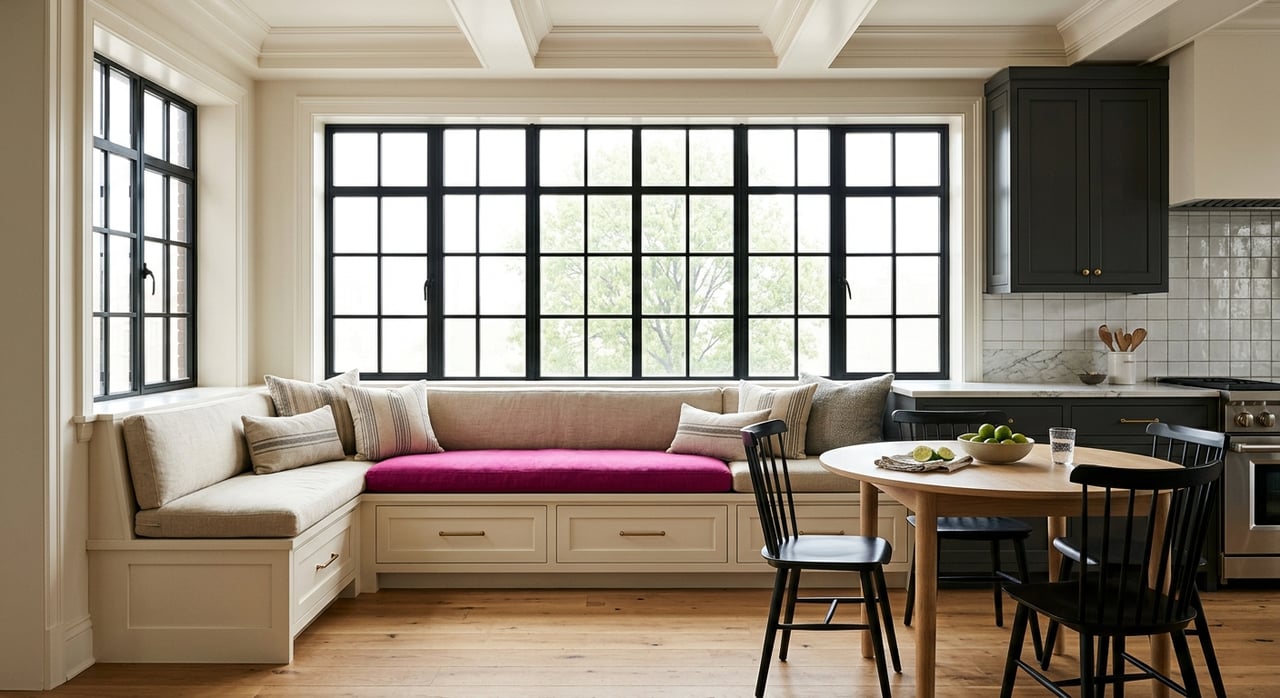
Wondering whether Tribeca is the right place to raise kids in Manhattan? If you want a downtown lifestyle without giving up access to parks, schools, and day-to-day convenience, Tribeca often lands high on the list. The key is knowing what the neighborhood does especially well, where you may need to compromise, and how to evaluate the details block by block. Let’s dive in.
Why Tribeca appeals to families
Tribeca offers a version of family life that feels distinctly downtown. Instead of a more purely residential setting, you get a mixed-use neighborhood where homes, restaurants, retail, and waterfront recreation sit close together. For many parents, that compact rhythm is a major draw.
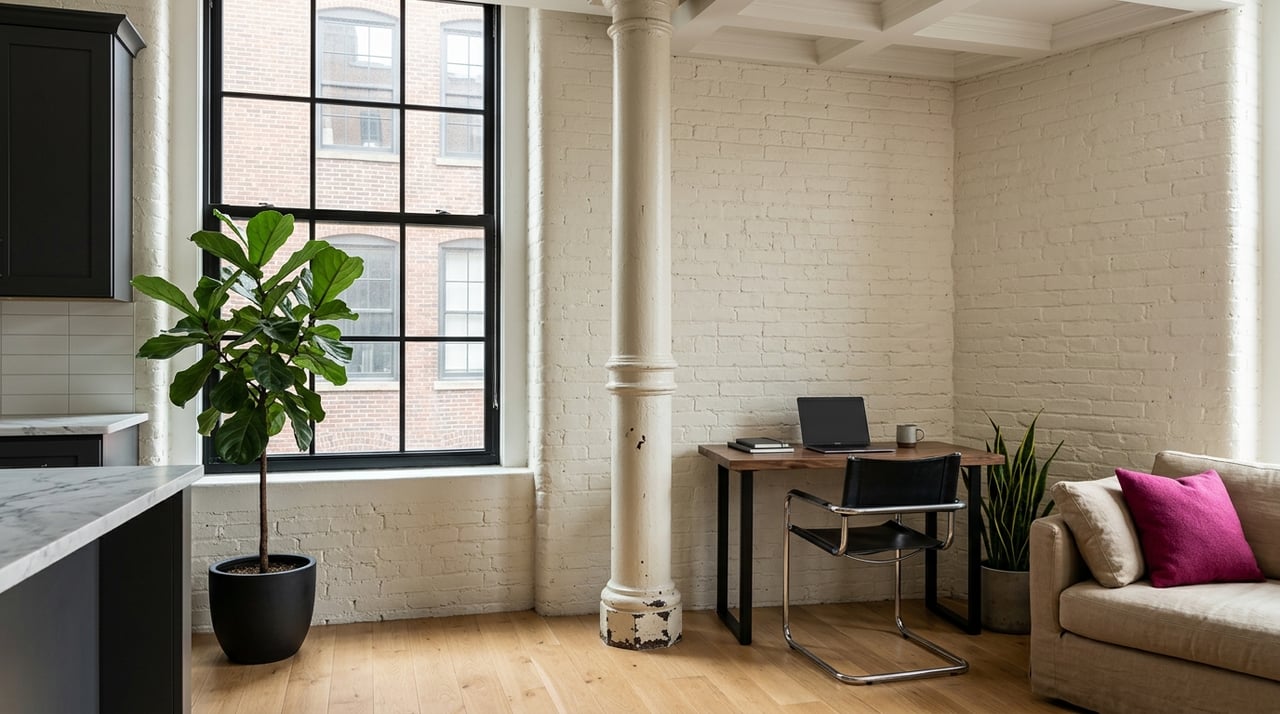
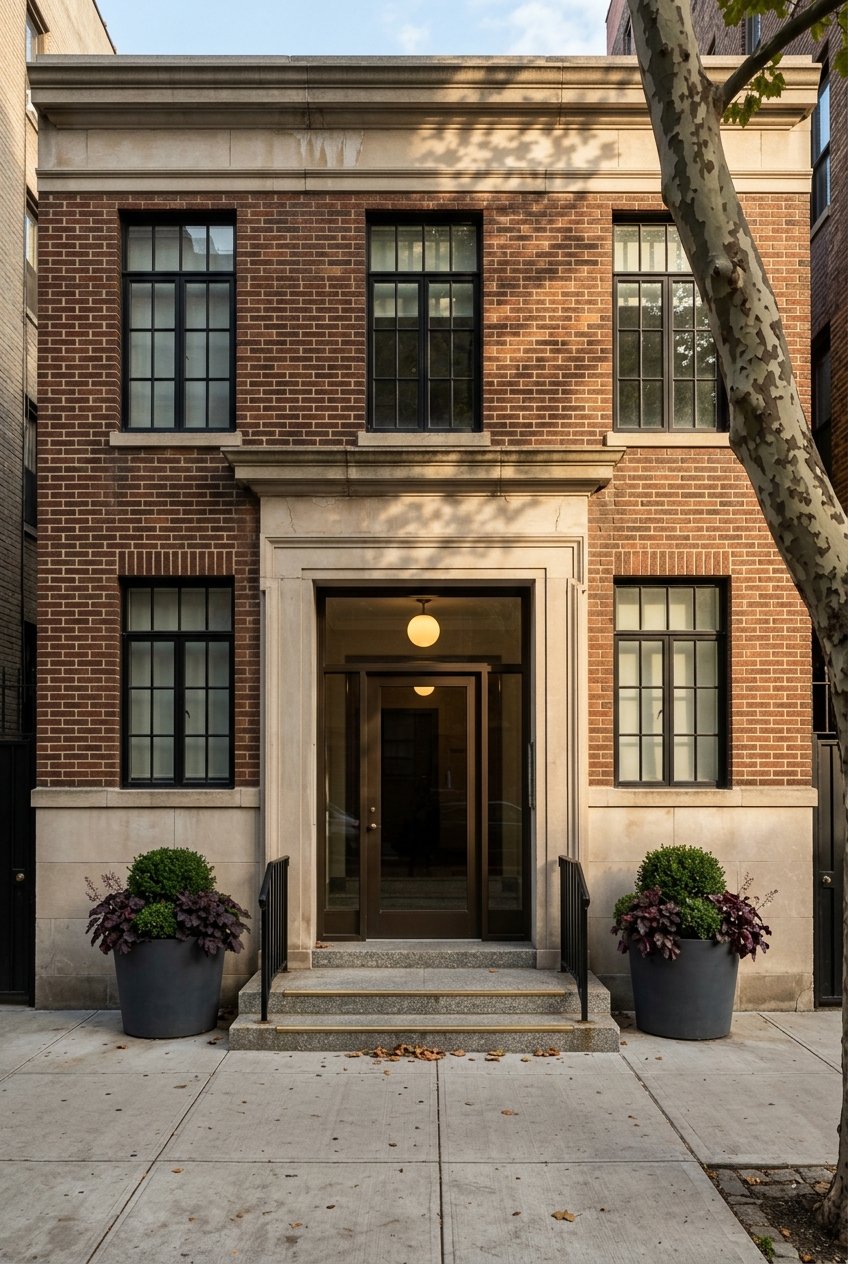
The neighborhood’s character also sets it apart. Tribeca grew from a wholesale and warehouse past, and that history still shows up in its loft buildings and blockfronts. Today, it blends that architectural texture with luxury apartments, public-school access, and everyday conveniences that support family life.
What family life feels like here
For many households, Tribeca works best when your priority is ease of movement. You can often walk from school drop-off to a playground, then handle errands or head to the waterfront without crossing multiple neighborhoods. That makes daily routines feel efficient, especially with younger children.
Tribeca is often strongest for families with preschool and elementary-age kids. It can also be a smart fit if you are comfortable making school decisions based on your exact address, rather than assuming the whole neighborhood functions as one school zone.
Schools in Tribeca to know
Public school options nearby
Tribeca sits in NYC Public Schools District 2. For families considering public school, that matters because school options and admissions can depend on your specific address. The NYC Department of Education says families should confirm zoned elementary and middle school options by address through its school search tools.
Current public school touchpoints in and around Tribeca include P.S. 89 at 201 Warren Street, which serves PK through 5, and P.S. 234 Independence School at 292 Greenwich Street, which serves K through 5. Spruce Street School at 12 Spruce Street serves PK through 8, and I.S. 289 at 201 Warren Street serves grades 6 through 8. Battery Park City School at 55 Battery Place is also a nearby District 2 K-8 option many families include in their search.
Why address matters so much
One of the biggest mistakes buyers make is assuming a neighborhood name tells the whole school story. In Tribeca, that is not enough. Admissions and zoning can vary block by block, and middle school follows a separate admissions process from elementary school.
If schools are central to your move, your home search should include an address-level review very early. That is especially important if you are comparing two buildings only a few blocks apart.
Private and early-childhood options
Tribeca has a strong private-school presence in the early years. The Washington Market School operates Hudson Street and Duane Street campuses, and TriBeCa Community School offers programs for ages 2 to 5. German-American School Manhattan says its Tribeca campus serves preschool through Grade 5.
Families also have additional preschool capacity through options like Tribeca KinderCare and Bright Horizons at Tribeca. Tribeca Prep serves children with autism and learning differences. Taken together, the neighborhood offers a notable concentration of preschool and lower-elementary options.
A practical school takeaway
If your children are very young, Tribeca can be especially appealing because of its early-childhood and elementary-school footprint. If you know you want a private option through later grades, you may need to widen your search beyond the immediate neighborhood as your children get older.
That does not make Tribeca a poor long-term choice. It simply means your planning should match your timeline, your address, and the type of school path you want.
Parks and play spaces
Hudson River Park access
One of Tribeca’s biggest strengths for families is its access to Hudson River Park. The Tribeca section of the park includes Pier 25, Pier 26, the Tribeca Upland, a skatepark, a dog run, basketball and tennis courts, and riverfront boardwalk space. That gives families a wide mix of active play, open views, and room to move.
Pier 25 is a standout for younger kids. It includes a children’s playground with swings, climbing structures, and water features, along with a turf field, mini golf, and concessions. For many families, this is the kind of park access that makes downtown living feel more manageable and more fun.
Pier 26 and neighborhood green space
Pier 26 adds another layer to the outdoor mix. It is a 2.5-acre ecologically themed pier with native plant zones, lawns, a boardwalk, and a sports play area. If you want easy outdoor time without planning a full-day outing, this kind of nearby waterfront space can make a real difference.
Washington Market Park is another important local anchor. NYC Parks describes it as a popular neighborhood destination with a tree-covered playground, basketball and tennis courts, spray showers, and smaller play areas, including the ship-shaped S.S. Fun! feature.
Everyday convenience for parents
Tribeca works well for families who want errands to stay local. The neighborhood has a year-round Greenmarket on Greenwich Street between Chambers and Duane. GrowNYC says it runs on Wednesdays and Saturdays and sells produce, meat, seafood, cheese, herbs, live plants, and cut flowers.
That kind of convenience shapes your weekly routine. In a neighborhood where parks, schools, and shopping are close together, it becomes easier to build a day around short walks instead of longer trips. For busy parents, that compact layout can be one of Tribeca’s most valuable features.
Housing types that suit family life
Loft conversions and newer condos
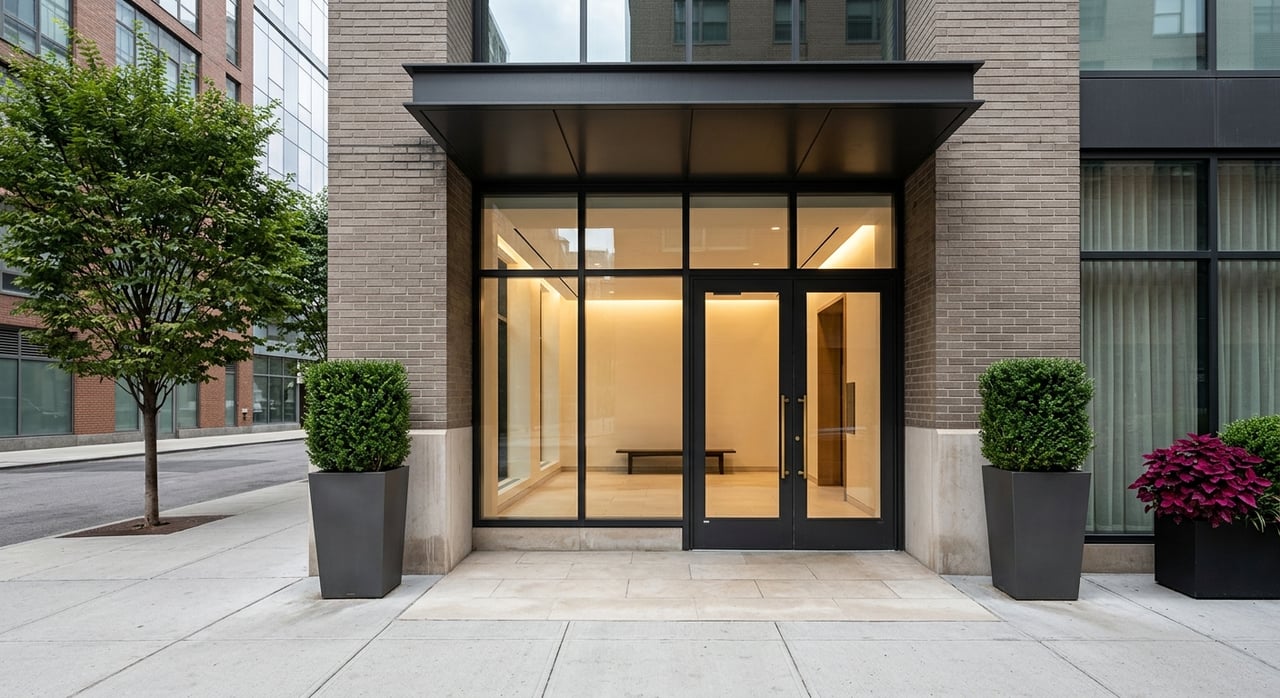
Tribeca’s housing stock is one of its biggest differentiators. The neighborhood is known for historic store-and-loft buildings, especially in the Tribeca South Historic District, where many structures date to the mid-19th century. Over time, redevelopment also added more retail and residential buildings, including luxury apartment development.
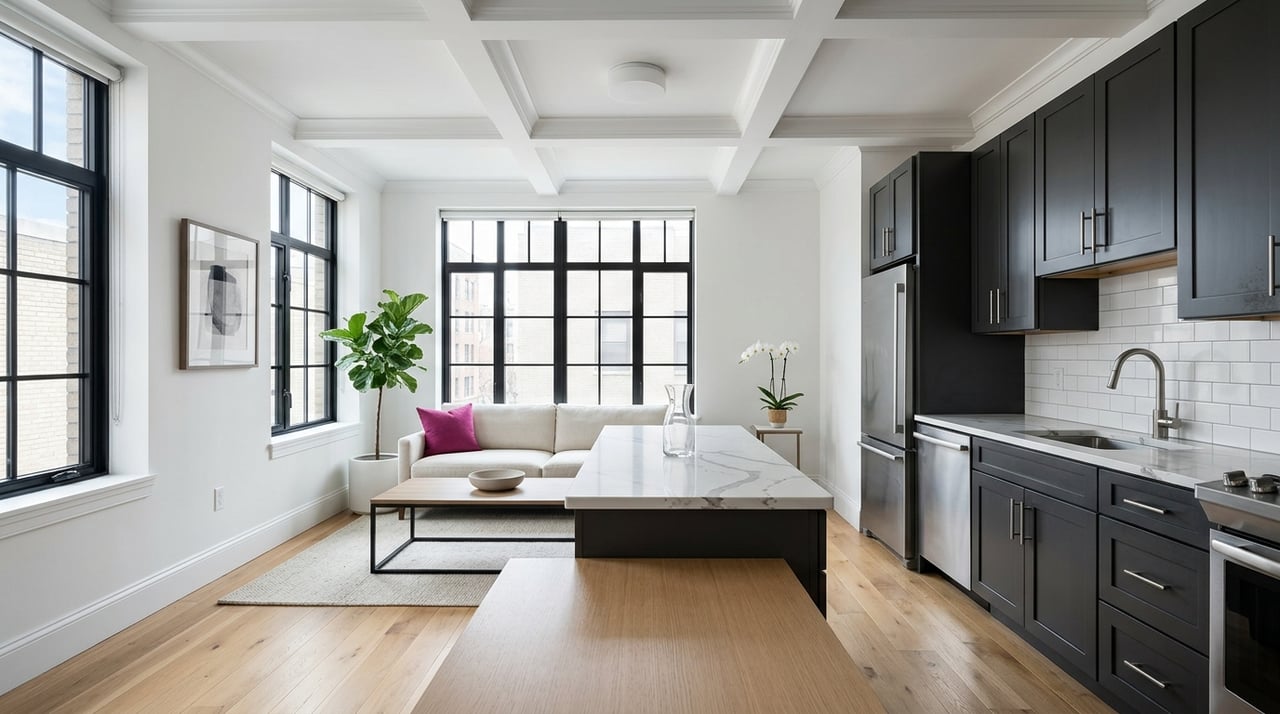
For buyers with kids, that usually means you are comparing large loft conversions, newer condos, and other full-service residential buildings, rather than classic rowhouses. This can be a major advantage if you want larger interior footprints, elevator access, or building amenities.
What to think about as a buyer
The layout style matters as much as the square footage. Tribeca lofts can offer impressive volume and flexibility, but open-plan living may feel less separated than a townhouse or a more traditional prewar apartment. For some families, that is part of the appeal. For others, it may require more thoughtful space planning.
When you tour properties here, it helps to look beyond finishes and ask how the layout works for your actual routine. Think about bedroom separation, storage, stroller logistics, and how the building supports school mornings, deliveries, and everyday movement.
How Tribeca compares to other family favorites
Tribeca vs. Upper West Side
If you are deciding between Tribeca and the Upper West Side, the tradeoff often comes down to lifestyle feel. The Upper West Side usually offers a more park-heavy, classic family environment. Central Park has 21 official playgrounds, and Riverside Park stretches four miles along the Hudson River with playgrounds, tennis courts, a skate park, the greenway, and a public marina.
Tribeca, by contrast, feels more downtown and mixed-use. You still get strong outdoor access through Hudson River Park, but the neighborhood atmosphere is different. If you want a setting that feels more residential and more centered on large internal park systems, the Upper West Side may feel like the clearer fit.
Tribeca vs. Brooklyn Heights
Brooklyn Heights offers another strong comparison. Brooklyn Bridge Park stretches 1.3 miles along the East River and includes playgrounds, basketball courts, sports fields, a roller skating rink, and Jane’s Carousel. Cadman Plaza Park also adds open space nearby.
Compared with Tribeca, Brooklyn Heights often feels more residential and waterfront-oriented in a quieter way. Tribeca tends to be the stronger match if you want a denser downtown setting with a notable concentration of early-childhood options and easy access to riverfront play spaces.
So, is Tribeca right for your next move with kids?
Tribeca can be an excellent fit if you want downtown convenience, strong preschool and elementary options, and easy access to parks along the waterfront. It is especially compelling if you value walkability and prefer a neighborhood where school, play, dining, and errands can all fit into a compact daily routine.
It may be less ideal if your top priority is a very large internal park system or a neighborhood that feels almost entirely residential. In that case, you may find yourself comparing it closely with the Upper West Side or Brooklyn Heights.
The best way to evaluate Tribeca is to match the neighborhood to your real lifestyle, not just its reputation. If you are weighing schools, building types, and block-by-block fit, working with an advisor who knows how these details affect family life can make your search much more focused. If you’re considering a move in Tribeca, Lena Simpson can help you narrow the options and find the right fit for your next chapter.
FAQs
Is Tribeca good for families with young children?
- Yes. Tribeca is often a strong fit for families with preschool and elementary-age children because of its early-childhood options, nearby public schools, and easy access to parks and waterfront play spaces.
How do public schools work for families moving to Tribeca?
- Tribeca is in NYC Public Schools District 2, and school options can depend on your exact address. Families should verify zoned elementary and middle-school options by address through NYC Public Schools.
What parks do families use in Tribeca?
- Many families spend time at Hudson River Park, including Pier 25 and Pier 26, as well as Washington Market Park for playgrounds, sports courts, and outdoor play.
What types of homes do families usually buy in Tribeca?
- Families in Tribeca often consider loft conversions, newer condos, and full-service residential buildings. These homes can offer generous space, though layouts vary widely.
Is Tribeca better than the Upper West Side for families?
- It depends on your priorities. Tribeca is often better for families who want a downtown, mixed-use lifestyle, while the Upper West Side usually appeals more to buyers who want a more residential feel and larger park systems.
Is Tribeca better than Brooklyn Heights for families?
- That depends on the lifestyle you want. Tribeca suits buyers looking for downtown convenience and early-childhood options, while Brooklyn Heights may appeal more if you prefer a more traditional residential setting with broad waterfront open space.