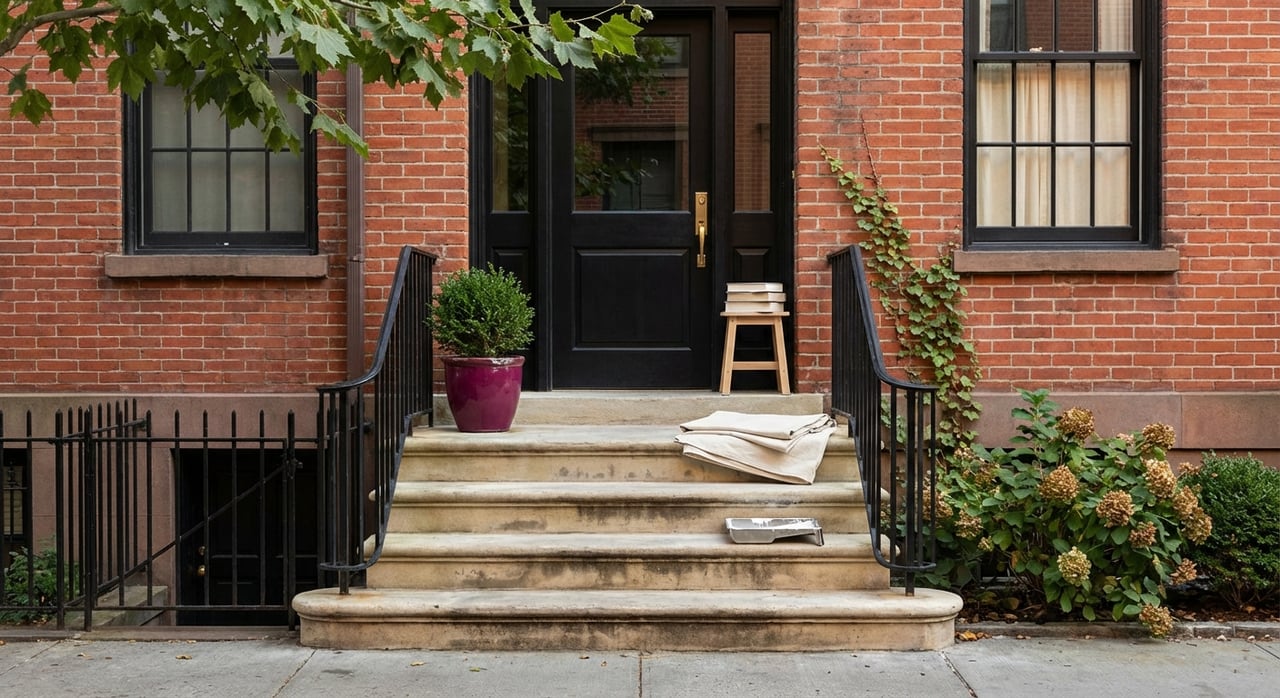
If you want top dollar for your Brooklyn Heights home, the right timing, pricing, and prep matter more than ever. The neighborhood’s mix of classic co-ops and trophy townhouses creates big swings in reported medians from month to month, which can be confusing. You deserve a clear, confident plan that fits your property type and today’s buyers. Below, you’ll find practical steps to pick your moment, price with precision, and prepare your home to shine. Let’s dive in.
What the market means for you now
Public reports can look inconsistent in Brooklyn Heights because a few high-value sales can move the median a lot. Some data providers even show different medians for the same season, which is normal in a small, high-end market. That is why you should rely on a tight set of recent, closed comps rather than broad neighborhood medians. Boroughwide reporting shows Brooklyn near recent highs with inventory up in late 2025, a sign of modest cooling that rewards well-prepared, well-priced listings. Brownstoner’s summary of Q4 2025 and PropertyShark’s neighborhood trends offer helpful context.
Co-op vs. townhouse: tailor your strategy
Ownership and buyer behavior
Brooklyn Heights co-ops are share purchases with board rules. They tend to attract owner-occupiers who value the building community and are comfortable with approvals. Townhouses draw buyers who want deeded ownership, private outdoor space, and renovation flexibility. Expect a smaller, deeper-pocket buyer pool for townhouses and a more board-driven process for co-ops.
Timeline and approvals
Co-op transactions include buyer board packages, managing agent reviews, and interviews, which add time and uncertainty. From package submission to decision, board approvals commonly take 2 to 8 weeks, sometimes longer if supplemental documents are requested. Plan your closing date with that cushion in mind. Townhouse sales skip board approvals, but inspections and complex title work can extend the closing timeline. Learn more about co-op steps and timing from Hauseit’s closing timeline overview.
Pricing expectations
Co-ops often list at lower nominal prices than condos and townhouses because building rules and inventory mix affect value. Anchor co-op pricing to recent sales in the same line or building. For townhouses, buyers will pay a premium for privacy and outdoor space, but offers may come from a narrower set of qualified purchasers. Align your pricing with a short list of true peers and be ready for targeted marketing.
Time your sale in Brooklyn Heights
Spring remains the classic high-visibility window in New York City. National analyses show higher premiums in April to June, with many sellers listing in late winter to catch that wave. Still, local supply and demand can override seasonality, so watch current inventory and months of supply in your micro-market. See national seasonality insights in Bankrate’s review of the best time to sell.
Practical timing tips:
- If possible, prep in late winter and aim for a spring launch to maximize buyer traffic.
- If you must sell off-cycle, double down on presentation, pricing accuracy, and targeted outreach.
- Watch competing listings in your building or on your block, then plan your go-live date around that activity.
Price with precision, not medians
Your pricing should reflect what has actually closed nearby, not just what is listed today.
- For co-ops: Use same-building or same-line comps from the past 6 months. Factor in flip taxes, sublet rules, and assessments when comparing.
- For townhouses: Match lot width, depth, outdoor space, and condition. A renovated single-family sells very differently than an owner’s triplex with a rental.
- Ask your agent to stress-test buyer qualification early. A simulated board package review with a well-prepared buyer can reduce the risk of a post-contract board rejection.
- Keep your listing “tight.” A modestly aggressive price can attract board-ready co-op buyers faster, while overpricing often leads to long days on market.
For a refresher on co-op package depth and why it matters, see this overview of typical requirements and board expectations, including liquidity guidelines, in Nelson Aybar’s co-op board package explainer.
Prep that pays in Brooklyn Heights
Staging, photos, and smart fixes
First impressions online decide whether a buyer books a showing. According to the National Association of REALTORS®, about 29% of agents saw staging lift offers by 1 to 10 percent, and roughly 49% of sellers’ agents reported shorter market time for staged homes. NAR cites a median staging spend around $1,500, with luxury projects higher. Plan staging before photos. See highlights from NAR’s 2025 report on staging’s impact.
Brooklyn Heights specifics:
- Focus on paint, lighting, hardware, and minor repairs that photograph well.
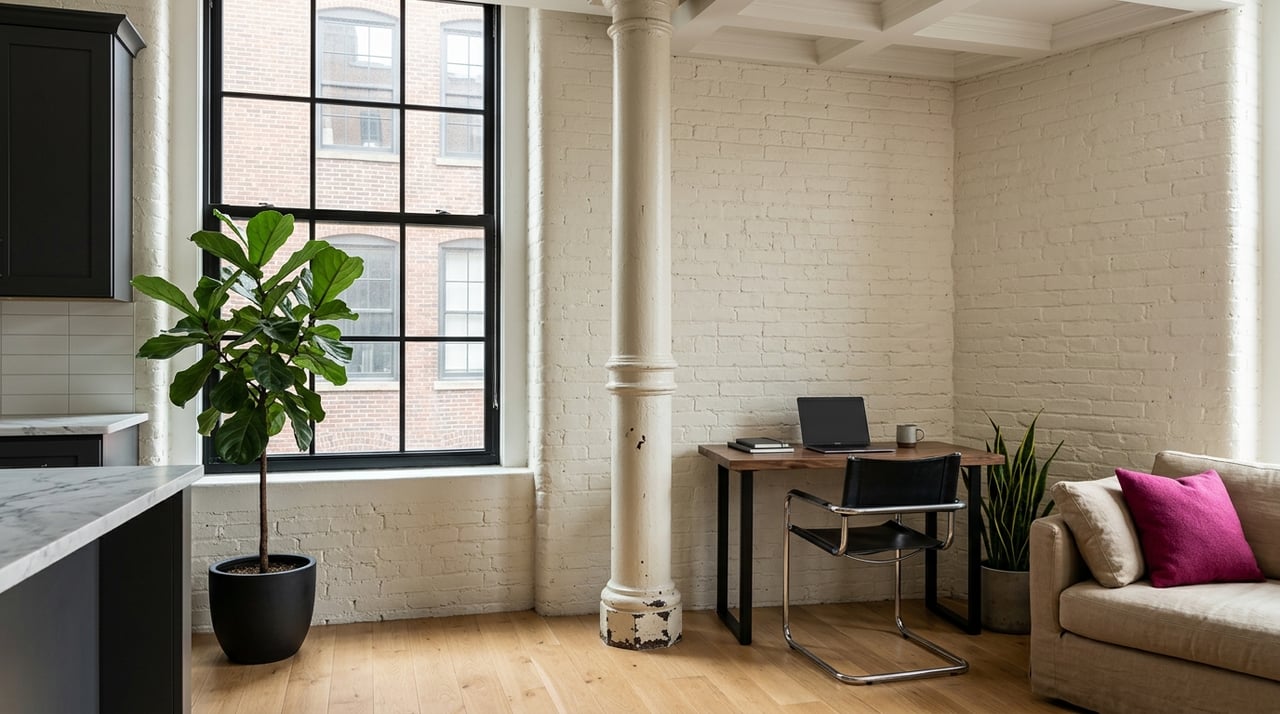
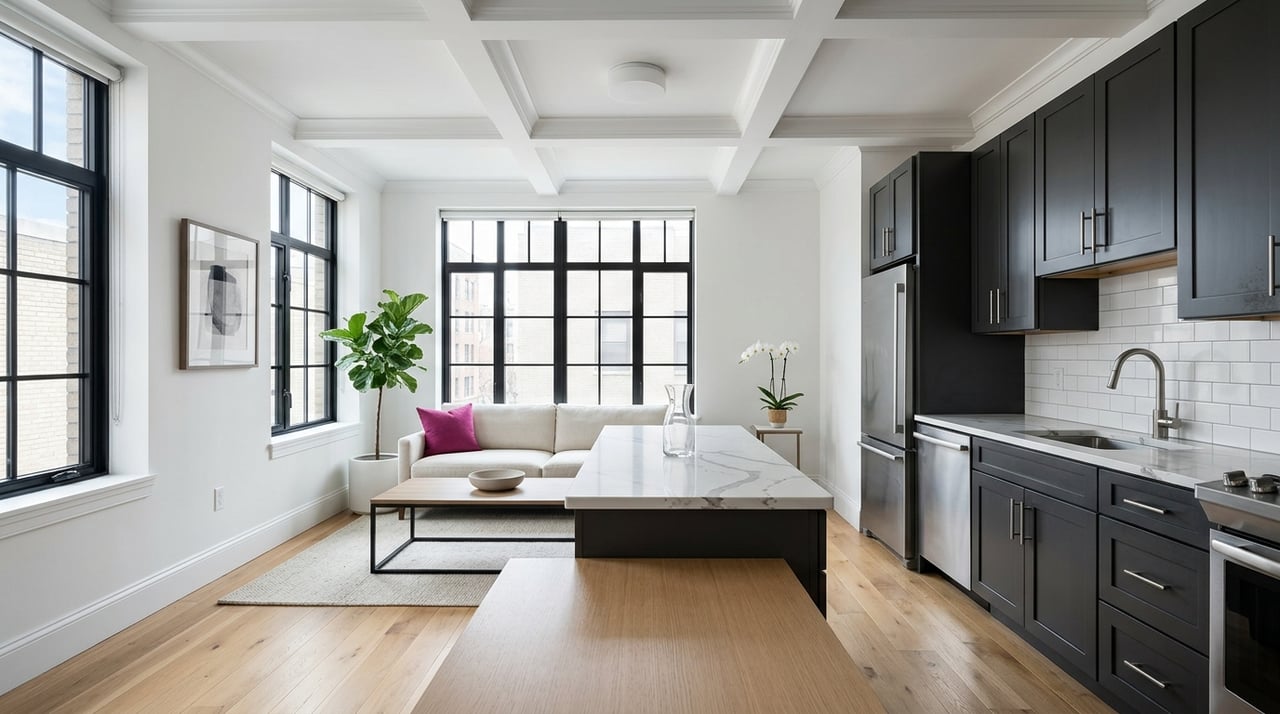
- Declutter, edit furniture, and open sightlines to accentuate prewar details and ceiling height.
- Consider virtual staging for vacant co-ops to manage costs while showcasing potential.
Concierge options to fund prep
You can front-load value without large upfront cash. Broker programs like Compass Concierge can advance costs for staging, paint, lighting, and select repairs, then recoup at closing. Review terms, timelines, and projected ROI, and have your agent show building-level comps to support the spend.
Landmark constraints in the Historic District
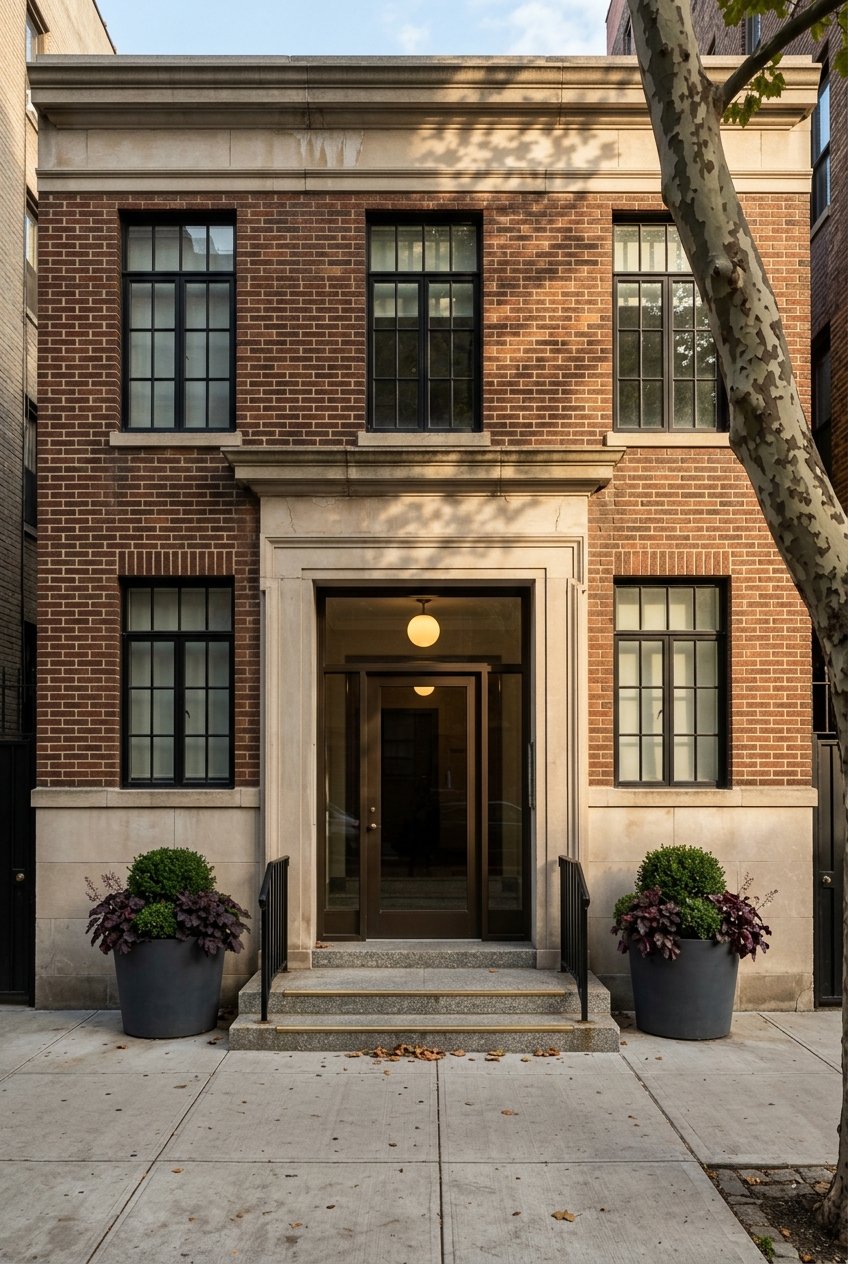
Brooklyn Heights is a designated historic district. Exterior work visible from a public way, such as windows, stoops, rooflines, and façade repairs, may require Landmarks Preservation Commission review. Start exterior planning early, and consult an architect who knows LPC processes to avoid delays. Learn more from the Historic Districts Council’s overview of Brooklyn Heights landmark guidelines.
Negotiation, taxes, and closing timing
Co-op board and buyer qualification
Boards typically review income, assets, debt ratios, tax returns, employment, and references. Some buildings expect 12 to 24 months of post-closing liquidity, which can affect buyer pool and pacing. Require proof of funds and a strong mortgage commitment before accepting an offer, and confirm the buyer understands building rules early. For a detailed look at common documentation and expectations, see this co-op board package guide.
Seller costs and taxes to expect
In New York City, sellers typically pay the NYC Real Property Transfer Tax. Review current brackets and guidance on the NYC Department of Finance site. New York State transfer taxes also apply, with additional surcharges at higher price points. See the state’s transfer tax summary from New York State Taxation and Finance. Many co-ops also charge a building transfer fee, commonly called a flip tax, which is often 1 to 3 percent of the sale price and usually paid by the seller unless negotiated otherwise.
Reduce fall-through risk
- Set clear mortgage commitment and board package deadlines in the contract.
- For townhouses, start title and municipal checks early, and confirm there are no open violations that could slow closing.
- For co-ops, build in 30 to 60 extra days for board steps and supplemental requests. Get more timing context from Hauseit’s co-op closing timeline.
A simple Brooklyn Heights seller checklist
- Choose an agent with recent, building-level comps and a proven concierge plan.
- Price from a narrow comp set: same building for co-ops, same row and lot depth for townhouses.
- Order a light pre-list inspection to spot issues that can derail a deal.
- Build a lean prep plan: paint, lighting, staging, pro photos, and a floor plan.
- For co-ops, assemble resale documents early: offering plan, bylaws, minutes, financials, insurance, assessment history, and flip tax policy.
- Budget for closing costs. As a planning assumption, many NYC sellers set aside 8 to 10 percent of the sale price for commissions, taxes, legal, and building fees, then refine with counsel.
Selling well in Brooklyn Heights is about control. Control your timing by launching into the right window, control your price by using the best comps, and control your outcome by preparing the home buyers will fight for. If you want a data-driven plan and concierge execution, reach out for a confidential strategy session with Lena Simpson.
FAQs
When is the best time to sell a home in Brooklyn Heights?
- Spring often brings more buyers and stronger premiums in April to June, but local supply and demand can override seasonality. See national timing insights in Bankrate’s overview.
How do co-op board approvals affect my sale timeline?
- Co-op approvals typically take 2 to 8 weeks from complete package submission, sometimes longer if the board asks for more documents. Build extra time into your closing plan. Review the steps in Hauseit’s co-op timeline.
What staging ROI can I expect on an NYC apartment?
- NAR reports about 29% of agents saw staging lift offers by 1 to 10 percent and about 49% saw reduced time on market, with a median spend near $1,500. See the NAR staging report highlights.
Do I need Landmarks approval before exterior repairs on a brownstone?
- If the work is visible from a public way, you likely need LPC review. Plan façade, window, stoop, and roofline changes well in advance. HDC’s guide to Brooklyn Heights landmarks explains the basics.
What seller closing costs should I expect in New York City?
- Expect NYC and NYS transfer taxes, legal fees, and possible building fees such as a co-op flip tax. Check current brackets on NYC’s RPTT page and NYS transfer tax guidance.