Torn between a classic Brooklyn Heights brownstone and a co-op with services and simplicity? You’re not alone. Both paths can get you into one of New York’s most coveted neighborhoods, yet they offer very different experiences, costs, and responsibilities. In this guide, you’ll learn how ownership, lifestyle, approvals, renovations, taxes, and resale differ so you can choose with clarity. Let’s dive in.
Brooklyn Heights housing at a glance
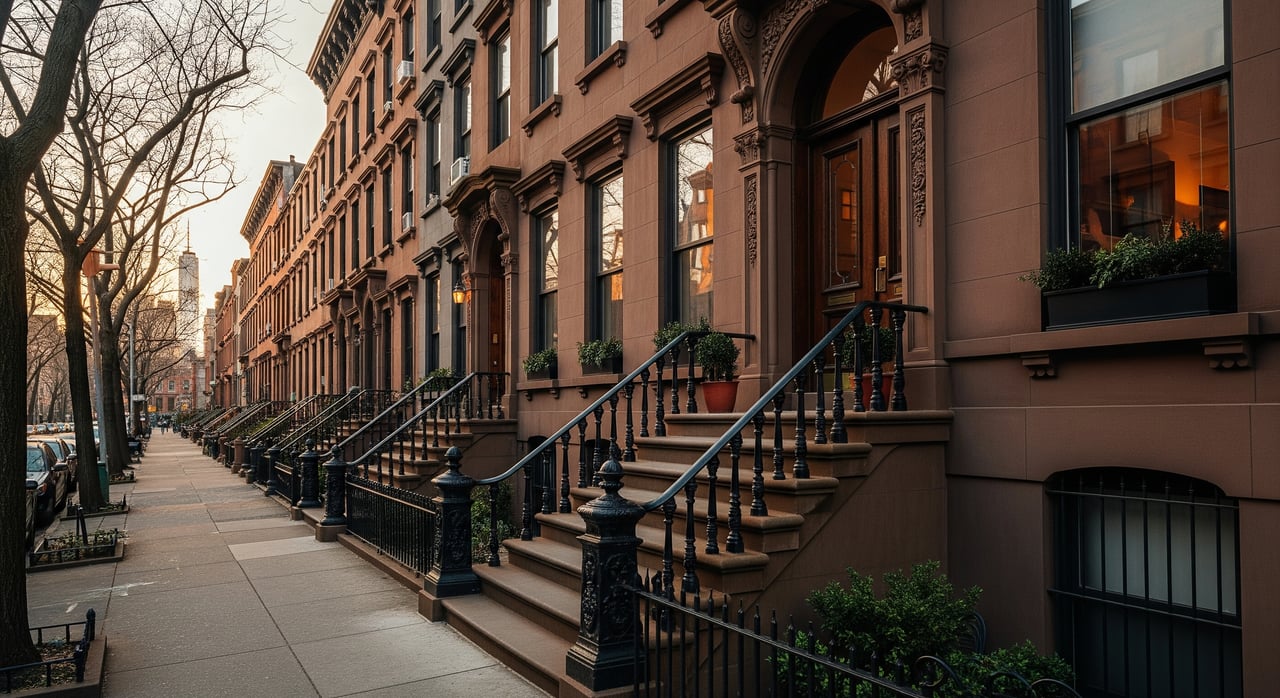
Brooklyn Heights blends 19th-century brownstones, prewar apartment buildings, and a few newer developments near transit. Many blocks sit within the Brooklyn Heights Historic District, where street-facing façades are protected. That history is part of the charm.
Inventory is tight. Fewer townhouses trade each year than apartment units, and that scarcity often puts a premium on full-house ownership. If you value private outdoor space, a stoop, and a garden, you’ll pay for the privilege in this location.
Ownership structure
Brownstone freehold
With a brownstone or townhouse, you typically own the entire building and lot. You hold a deed, control the property, and take on full responsibility for the structure and grounds. Depending on configuration and local rules, you can occupy one unit and rent others.
Co-op shares and lease
With a co-op, you purchase shares in a corporation that owns the building and receive a proprietary lease. Your rights and responsibilities are set by the building’s bylaws, house rules, and the board. Board approval is required for purchases and often for major changes.
Space, privacy, and lifestyle
Brownstone living
A brownstone usually delivers vertical living across multiple floors, with more storage and layout flexibility. Many include private outdoor space, such as a rear garden or potential roof deck, subject to approvals. Privacy is strong, though party walls mean you still share side walls with neighbors.
Co-op living
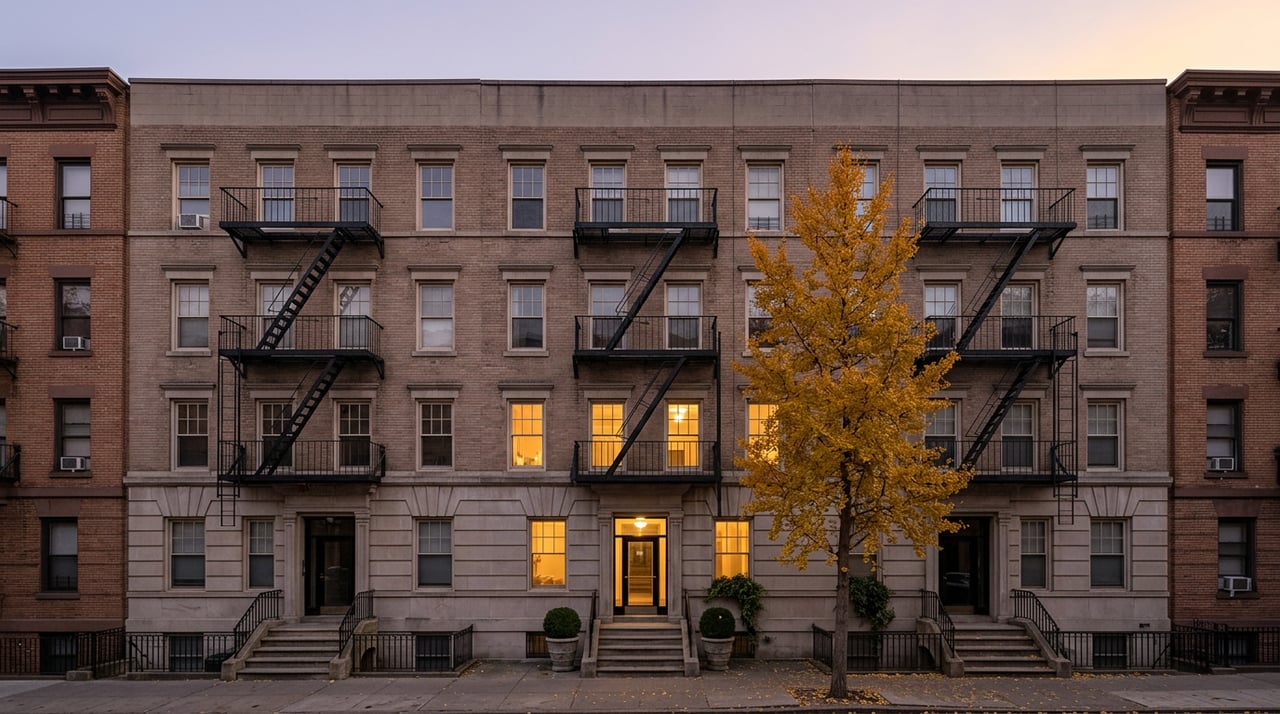
Co-op apartments range from studios to multi-bedroom homes. Prewar co-ops in the neighborhood can offer good space per dollar compared with some condos. You may also gain access to shared amenities like a lobby, roof deck, laundry, superintendent, or doorman, depending on the building.
Control and governance
Brownstone control
You have near-complete control over interiors and, with proper permits and approvals, many exterior elements. You will work directly with city agencies when you renovate. There is no board deciding what you can change inside your home, aside from municipal and landmark rules.
Co-op board oversight
Co-op boards set admissions standards and govern renovations, subletting, pets, and certain resale terms. Expect to follow building rules, submit plans for approval, and work within designated hours and procedures during projects. Policies can impact how you use and upgrade your home.
Maintenance and carrying costs
Brownstone responsibilities
As an owner, you cover all operating expenses. That includes utilities, roof and façade upkeep, structural and waterproofing work, heating systems, landscaping, insurance, and property taxes. You control spending but also absorb the full risk of major repairs.
Key items to review before you buy:
- Recent capital work on roof, façade, and drainage
- Age and condition of boiler, plumbing, and electrical systems
- Insurance quotes and flood or liability considerations
- Property tax assessment history and trajectory
Co-op maintenance
Shareholders pay a monthly maintenance fee that typically includes the building’s property taxes, insurance for common areas, staff, common utilities, reserves, and sometimes payments on an underlying mortgage. Monthly costs are more predictable, but boards can raise fees or levy special assessments for capital projects.
Key items to review before you buy:
- Current maintenance fee and any recent increases
- Building reserve levels and planned capital projects
- Underlying mortgage balance, if any
- Subletting policy and how it affects flexibility and resale
Financing and approvals
Brownstone financing
Most buyers use standard mortgages for one- to three-family homes or multifamily loans. Down payments often start near 20 percent, subject to lender and property specifics. Expect typical closing requirements such as title work, inspections, and, if needed, certificate-of-occupancy confirmation.
Co-op financing and board review
Co-op purchases use share loans. Many buildings expect 20 to 30 percent or more down, and some require higher post-closing liquidity. You will submit a detailed financial package, including tax returns, bank statements, employment verification, references, and debt-to-income disclosures, followed by a board interview.
The timeline includes extra steps: preparing the board package, waiting for review, and scheduling interviews. Rejections and delays can happen, which is a unique transaction risk in co-ops. Strong preparation helps minimize surprises.
Renovation scope and approvals
Permits and city process
Significant structural, electrical, or plumbing work in both homes and apartments requires permits through the NYC Department of Buildings and licensed contractors. Unpermitted work can create legal and resale issues, so plan your scope, filings, and timeline carefully.
Landmark considerations
Many Brooklyn Heights streets fall within a landmark district. Exterior work visible from the street, like façade materials, stoops, windows, and cornices, often needs approval from the NYC Landmarks Preservation Commission in addition to building permits. For brownstones, you will manage this process directly. In co-ops, building management typically handles façade changes at the building level, while you focus on interior scope and approvals.
Co-op renovation rules
Expect board pre-approval of plans and contractors, proof of insurance and permits, work-hour limits, and deposits to protect common areas. In older buildings, shared systems can complicate structural changes, and boards may designate certain vendors for specific trades.
Budget and contingencies
Urban renovations vary widely by scope. Cosmetic updates generally cost less than gut renovations or structural work. It is smart to secure multiple estimates, include a contingency budget, and account for extra time in older buildings and landmark zones.
Taxes and closing costs
Property taxes
Most one- to three-family brownstones are taxed under a different property class than co-ops. Effective burdens vary by assessed value and exemptions. Co-op buildings pay a property tax bill that is passed through to shareholders via monthly maintenance.
Transfer and recording taxes
Both purchase types involve transfer taxes, legal fees, and standard closing items. The structure differs because a brownstone is a deeded property, while a co-op is a share transfer. Your attorney will outline how mortgage recording tax, title, and other line items apply to the specific deal.
Resale and income potential
Liquidity and marketability
Co-ops have historically been less liquid than condos and single-family homes in many New York submarkets. Resale depends on building reputation, rules, finances, and how the board evaluates buyers. Brownstones benefit from scarce supply and private outdoor space, which can enhance value, though higher price points can slow sales in some cycles.
Rental and income use
Brownstone owners can often rent the entire home or separate units, subject to local landlord-tenant rules. This can produce strong income, but you take on management and vacancy risk. Many co-ops limit subletting, require owner-occupancy periods, or mandate board approval for tenants, which narrows investor options and can shape resale demand.
Quick decision framework
Choose a brownstone if you prioritize:
- Maximum control over interiors and many exteriors
- Private outdoor space and multi-floor living
- Long-term holding and potential rental of a whole building
- Willingness to manage capital projects and maintenance
Choose a co-op if you prioritize:
- Lower day-to-day maintenance and on-site services
- Predictable monthly costs within a managed building
- An easier transition with a smaller footprint and shared amenities
- Comfort with board oversight and approval timelines
How Lena helps you choose
You deserve a decision that balances lifestyle and financial performance. With deep NYC experience and a concierge approach, Lena evaluates total carrying costs, co-op financials, and renovation pathways so you understand tradeoffs before you commit. She prepares strong board packages, strategizes terms that protect your interests, and brings negotiation expertise to maximize value.
If you decide to renovate, Lena coordinates a clear plan with licensed professionals and aligns timelines with approvals, including landmark and building requirements. For owners exploring rental income, she offers investor-focused guidance, pricing strategy, tenant placement support, and referrals for trusted property management resources.
Ready to compare specific homes and buildings side by side? Connect with Lena Simpson for an expert, personalized game plan.
FAQs
What landmark rules affect Brooklyn Heights brownstones?
- In landmarked areas, exterior changes visible from the street, such as façades, windows, stoops, and cornices, typically require Landmarks Preservation Commission approval along with building permits.
How do co-op maintenance fees work in Brooklyn Heights?
- Monthly maintenance usually covers the building’s property taxes, common area insurance and utilities, staff, reserves, and, if applicable, payments on an underlying building mortgage.
How long does co-op board approval take for a purchase?
- Timelines vary, but you should plan for package preparation, board review, and an interview that can add weeks to the process, with potential delays or rejections as unique co-op risks.
Can I rent out a Brooklyn Heights brownstone or co-op?
- Brownstones can often be rented as a whole or by unit subject to local rules, while many co-ops restrict subletting, require owner-occupancy periods, or mandate board approval for tenants.
Which has better resale potential in Brooklyn Heights?
- Brownstones benefit from scarcity and private outdoor space, while co-op resale depends on building rules, finances, and buyer screening; outcomes vary by property and market cycle.