Ever picture stepping out to cobblestone streets with the skyline in full view and the river breeze at your back? If you are weighing a move to DUMBO, you are likely after that blend of design-forward living, quick Manhattan access, and great outdoor space. In this guide, you will learn how the neighborhood feels day to day, what the housing looks like, how you will get around, and the trade-offs to consider before you commit. Let’s dive in.
DUMBO at a glance
DUMBO sits between the Manhattan and Brooklyn Bridges along the East River. It was once a warehouse and manufacturing district, then artists moved into lofts, and over the last two decades it became a high-amenity residential and creative hub. Today you see a mix of loft conversions, modern glass buildings on the waterfront, and small offices for creative and tech firms.
The neighborhood is compact and highly walkable. Interior blocks feel residential, with ground-floor cafés and small shops in former industrial spaces. The waterfront and Washington Street viewpoint can be busy with visitors, especially on weekends. You get a design-forward vibe, a strong café culture, and an easy connection to the park and bridges.
Street scene and architecture
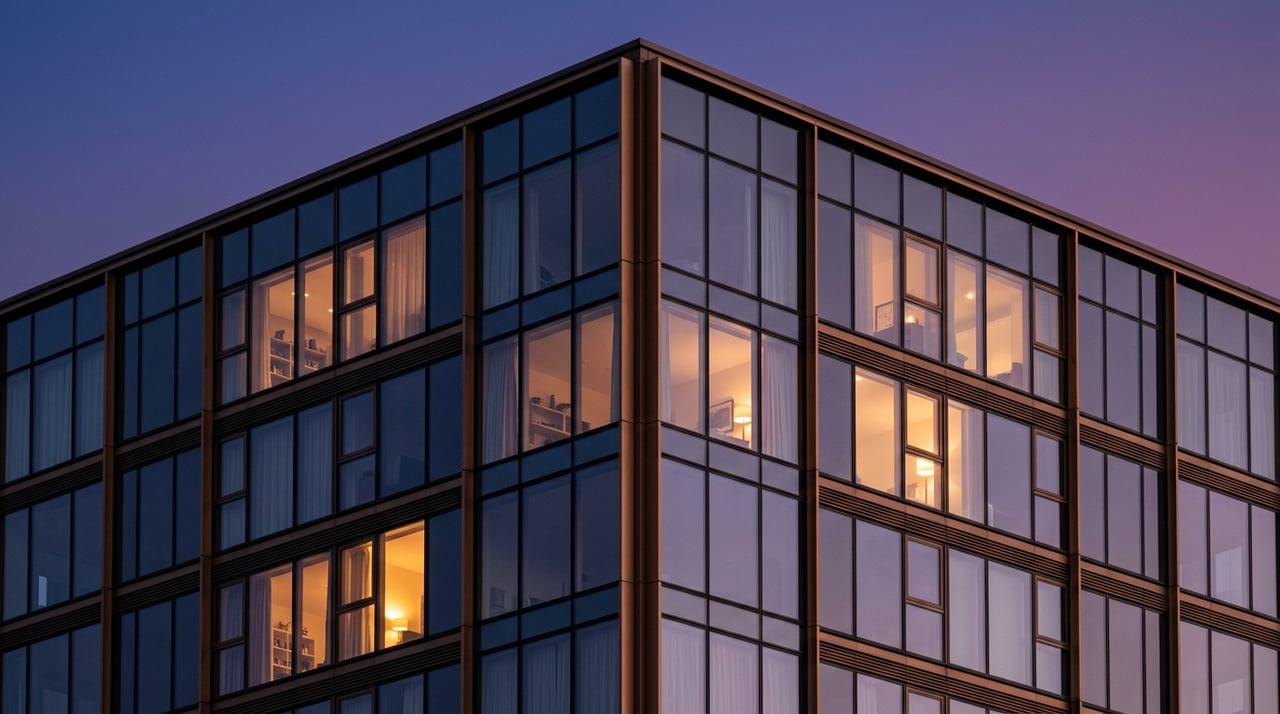
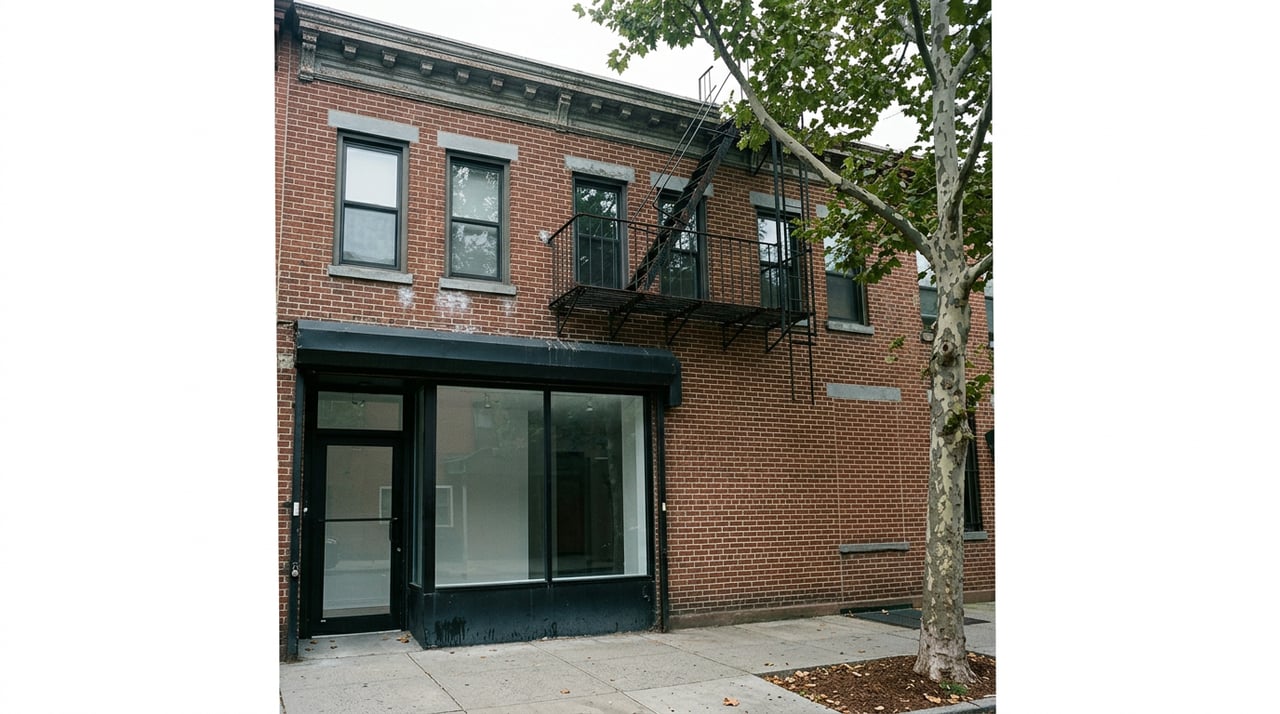
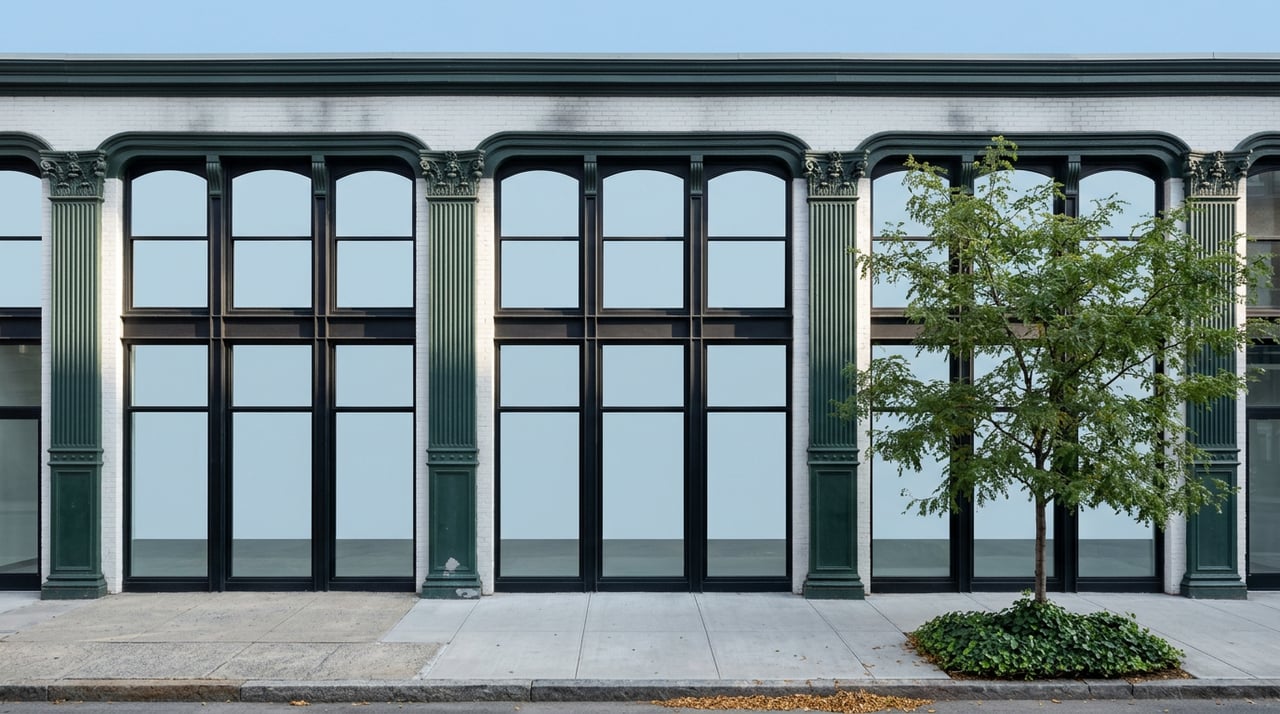
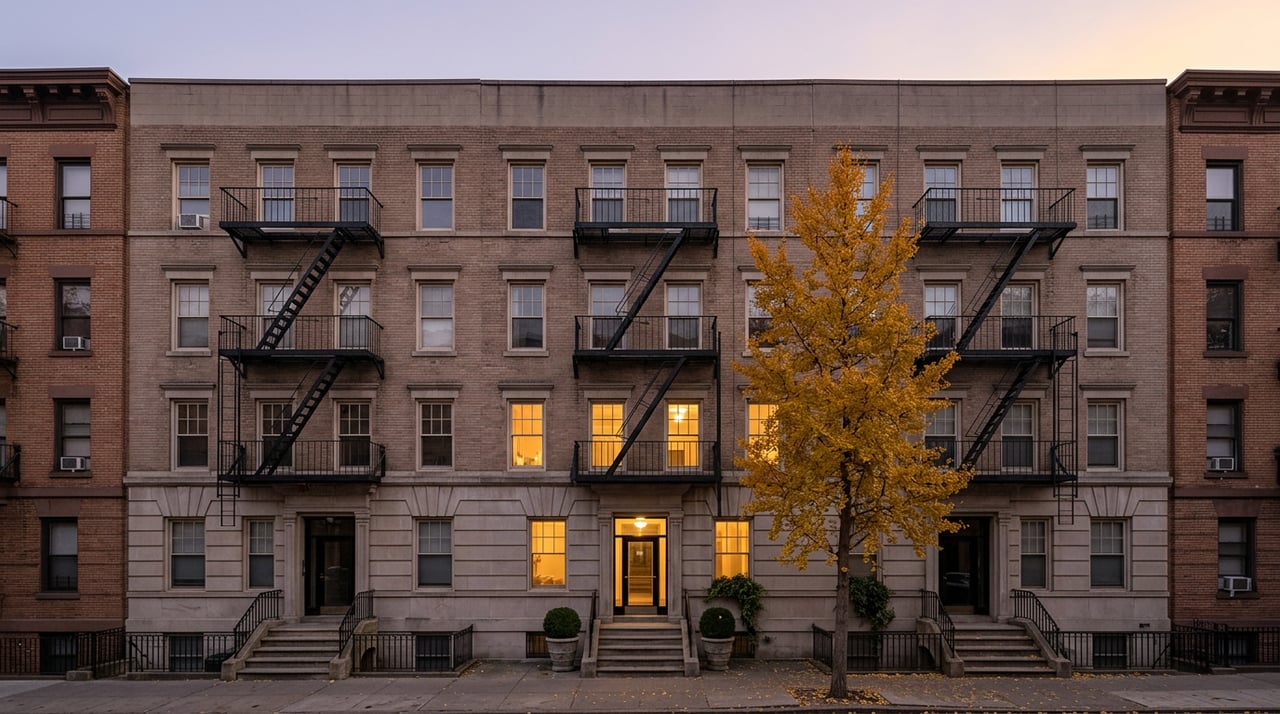
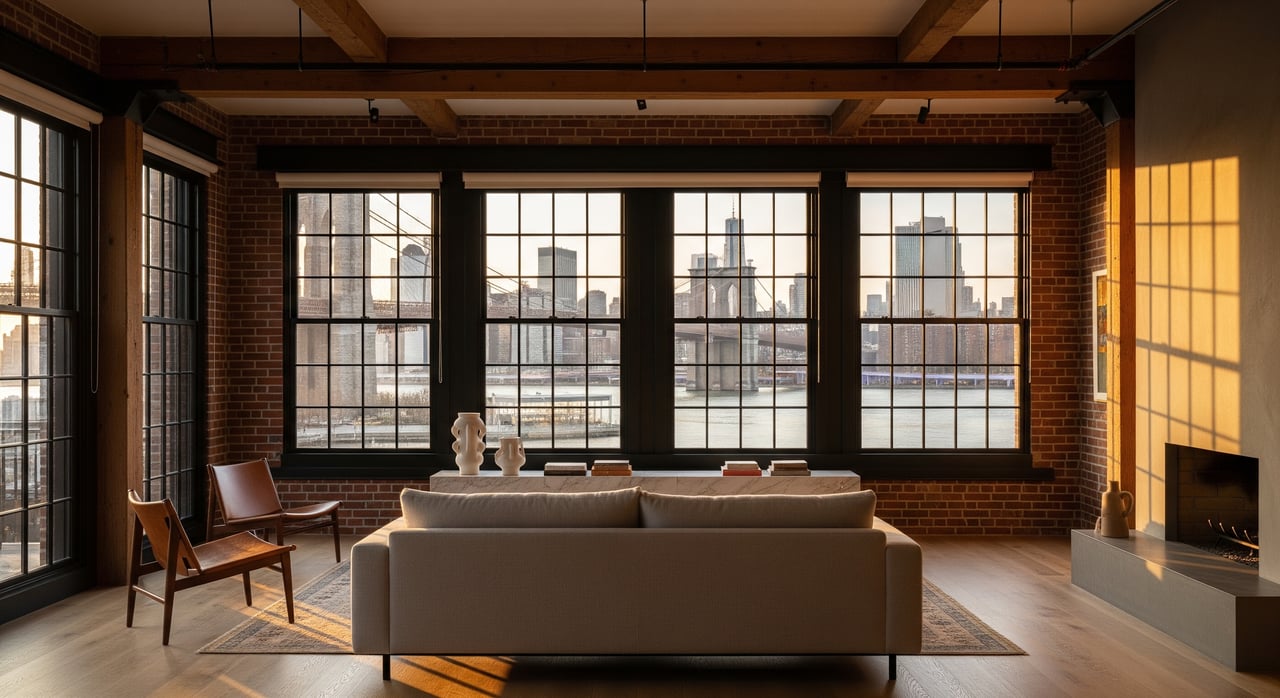
Industrial history shapes how DUMBO looks and moves. Brick mill buildings line narrow blocks, many with restored Belgian block paving. Inside, you often find high ceilings, large factory-style windows, timber beams, and exposed brick. On the waterfront, newer residential towers and mixed-use projects bring large glass facades and amenities.
You will see a steady flow of people taking photos at the Washington Street view framed by the Manhattan Bridge. Retail is small scale and scattered, usually at the base of loft buildings. It feels intimate rather than like a big commercial corridor.
Waterfront and parks
Brooklyn Bridge Park is the neighborhood’s main outdoor amenity. It stretches along the river with lawns, piers, playgrounds, sports courts, and winding paths. The Empire Fulton Ferry section and Jane’s Carousel draw families, joggers, and sunset watchers.
Programming is a highlight. In warmer months you can expect seasonal events, outdoor movies, fitness classes, and family activities. The skyline views are open and uninterrupted, which makes sunsets spectacular. In winter, the waterfront stays beautiful, but the wind can feel stronger and there are fewer crowds.
Dining and culture
You have a broad mix of dining options, from high-end restaurants to casual bistros, bakeries, and specialty coffee shops. Some concepts cater to destination traffic, while others feel like true neighborhood spots. There are also curated food hall environments nearby and specialty grocers for quick provisions.
DUMBO’s creative roots show up in galleries, studios, and small performance or installation events. Public art and photography are common throughout the area. Nightlife leans toward relaxed bars and waterfront or rooftop venues rather than clubs. Weeknights can feel calm on residential blocks, while weekends bring more activity near the park.
Getting around
You have multiple transit choices. The closest subway stations include York Street on the F line and High Street–Brooklyn Bridge on the A and C. Depending on your exact address, you may walk to other stations in nearby areas. The NYC Ferry also serves landings along the waterfront, which can be a pleasant alternative to the subway for certain routes.
If you bike or walk, access to Manhattan is straightforward via the Brooklyn and Manhattan Bridge paths. Citi Bike stations are common, and micro-mobility is widely used for short trips. Commutes to Lower Manhattan can be very short by bike or on foot, and many Manhattan job centers are reachable within typical 30 to 45 minute subway times, depending on connections.
Car ownership is less common here. Street parking is limited and garages can be expensive. Expect tighter street geometry in places, delivery trucks during the day, and occasional construction activity.
Daily rhythm and seasonal feel
Mornings bring joggers along the park, dog walkers, and café lines as offices and studios open. Midday often has more waterfront visitors and lunch crowds. Late afternoons and sunsets draw people to the piers for the light and the views.
Evenings tend to focus on dining and relaxed bars, with interior blocks staying quieter. In winter, the waterfront feels crisp and open. In summer, park life is busy, and weekend foot traffic increases throughout the area.
Housing and costs
DUMBO’s housing stock blends converted lofts, condominiums, rental buildings, and newer high-end towers. Many homes offer open floor plans, large windows, and modern finishes. Waterfront buildings often include full-service amenities.
Prices in DUMBO are among the highest in Brooklyn for both rentals and condominiums. Inventory can be tight because the neighborhood is small and the waterfront is limited. Newer developments tend to be positioned at the luxury end of the market. If you are deciding whether to rent or buy, it helps to get hyperlocal insight on building histories, recent trades, and sponsor quality.
Schools and services
Families in DUMBO use a mix of public New York City Department of Education schools, charter options, and private or independent schools across Brooklyn and Manhattan. School zoning and admissions can change, so it is wise to review current DOE resources and explore options that align with your needs.
For younger children, private daycare and preschool options are found in DUMBO and nearby neighborhoods, but waitlists can be common. Grocery choices include specialty markets within the neighborhood and larger supermarkets a short walk or transit ride away. Healthcare and dental providers are available nearby, including in Brooklyn Heights and Downtown Brooklyn.
Pros and trade-offs
Highlights
- Direct access to Brooklyn Bridge Park and the waterfront
- Iconic skyline and bridge views, great photography and sunsets
- Highly walkable streets with café culture and creative energy
- Quick access to Lower Manhattan by foot, bike, ferry, or subway
- Loft aesthetics and new luxury buildings with modern amenities
Things to weigh
- Higher housing costs compared with many Brooklyn areas
- Tourist traffic near the waterfront, especially on weekends
- Train noise in some spots, plus periodic construction
- Limited street parking and costly garages
- Smaller average unit sizes compared with some outer-borough areas
Who DUMBO suits
If you value architecture, design, and daily access to the waterfront, DUMBO aligns well. It is a practical base for people who work in Lower Manhattan or along the waterfront and prefer to walk or bike. The neighborhood is also a fit if you enjoy a café-and-gallery lifestyle with strong outdoor programming and do not mind weekend crowds.
Larger households can enjoy the parks and programming, but large three or four bedroom apartments are less common, and prices can be a factor. If you are looking for more space at a lower price point, you may want to compare options in nearby neighborhoods while keeping DUMBO on your list for its unique setting.
How to choose your block
- Walk it at different times. Visit early morning, midday, and late evening. You will get a feel for foot traffic, transit noise, and the shift from weekday to weekend.
- Stand still and listen. Pause near any bridge approach or active construction. You will hear how sound travels on windy days.
- Check your commute. Test your route by foot, bike, subway, and ferry. Plan for winter and summer conditions.
- Evaluate building fit. In conversions, review soundproofing, window condition, elevator and lobby upgrades, and roof or façade maintenance cycles. In newer towers, review amenity costs and service levels.
Is DUMBO right for you?
DUMBO offers an urban waterfront lifestyle with real daily convenience. You get park access at your doorstep, easy Manhattan connectivity, and a refined dining scene. In exchange, you budget for higher prices, share space with visitors in peak seasons, and plan around parking limits.
If you want a clear view of building quality, resale strength, and the best-value pockets by block, connect with a local advisor who knows the inventory and the trade-offs. For tailored guidance on homes that fit your lifestyle and financial goals, reach out to Lena Simpson for a personalized consultation.
FAQs
Is DUMBO quiet or touristy for everyday living?
- Both. Interior residential blocks feel calm, while the waterfront and popular photo spots see heavy visitor traffic, especially on weekends and in summer.
How easy is it to commute from DUMBO to Manhattan?
- Very easy. You can walk or bike across the bridges, take the F or A/C subways from nearby stations, or use the NYC Ferry for select routes.
What is the housing stock like in DUMBO?
- A mix of loft conversions, condominiums, rental buildings, and newer luxury towers, often with open plans, large windows, and modern finishes.
Are there schools and family amenities in DUMBO?
- Yes. Families use public DOE, charter, and private schools across nearby areas, and Brooklyn Bridge Park offers extensive play spaces and programming.
What are typical trade-offs of living in DUMBO?
- Higher housing costs, weekend crowds near the park, limited street parking, and potential train or construction noise in certain locations.
What is the dining and nightlife scene in DUMBO?
- Restaurant and bar focused, with cafés, bakeries, and destination dining. Evenings are lively near the waterfront but generally not club-centric.
How does DUMBO compare with nearby neighborhoods?
- It is more waterfront-centric and often higher priced per square foot, with a mix of industrial loft style and new luxury buildings compared with nearby areas.