What if your morning started with a sunrise jog along the Hudson and a quick ferry or PATH ride that drops you in Lower Manhattan minutes later? If you want the energy of New York with a little more breathing room and water views, Jersey City’s waterfront may be the fit. In this guide, you’ll see what everyday life really looks like here, from commute options to parks, culture, and housing. Let’s dive in.
Jersey City waterfront at a glance
Along the Hudson, Jersey City’s waterfront strings together a mix of modern towers, historic streets, and one of the region’s best urban parks. You’ll find high-rise living near Exchange Place and Newport, village-like blocks in Paulus Hook and the Van Vorst and Hamilton Park areas, and big-sky green space at Liberty State Park. PATH and ferry access cluster around Exchange Place and Paulus Hook, giving you some of the fastest cross-river trips to Lower Manhattan. The result is a daily rhythm that blends skyline views, walkable errands, and easy transit.
Where you might land
Exchange Place and Paulus Hook. Think office towers, a sleek riverside esplanade, and the highest concentration of PATH and ferry links. If a short, predictable commute to Lower Manhattan matters to you, these blocks often check the box. Get an overview of local PATH access from the Exchange Place Alliance.
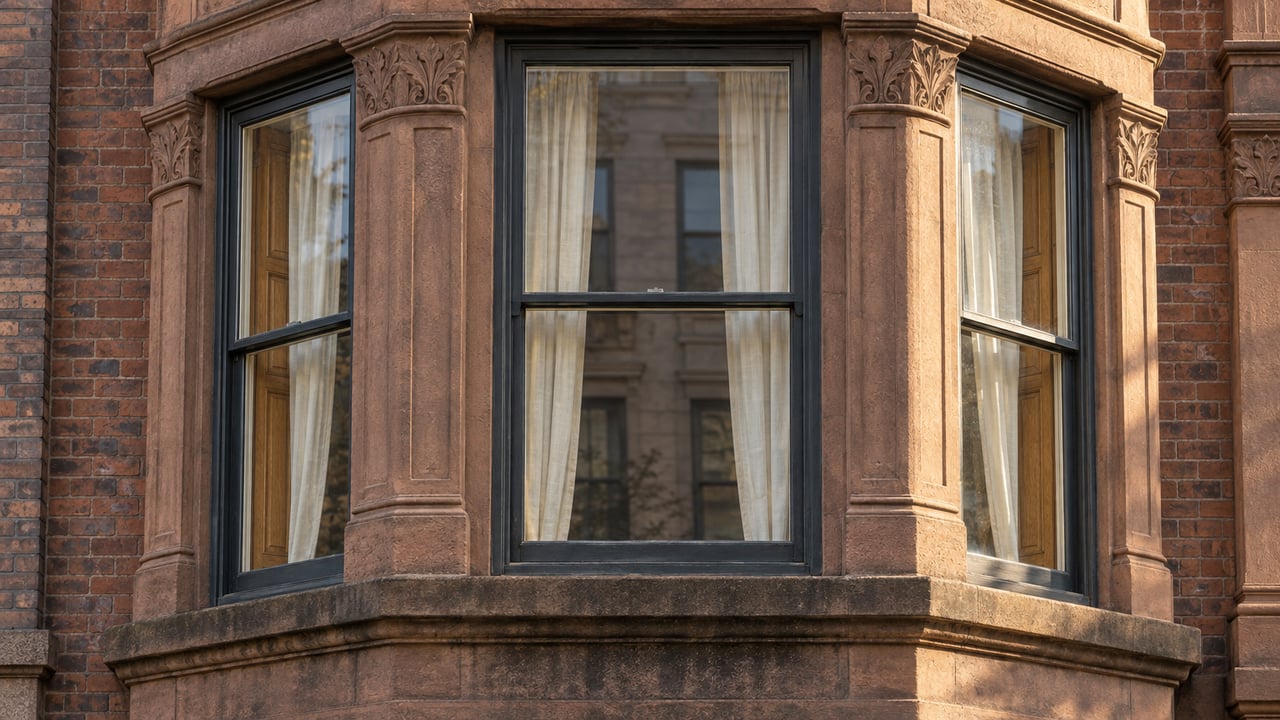
Paulus Hook plus Van Vorst and Hamilton Park. One or two blocks inland, you step into tree-lined brownstone streets and pocket parks. It feels more residential and walkable, with farmers’ markets and neighborhood dining tucked into the grid. Street life is calmer than the waterfront, yet you’re still a quick stroll to transit.
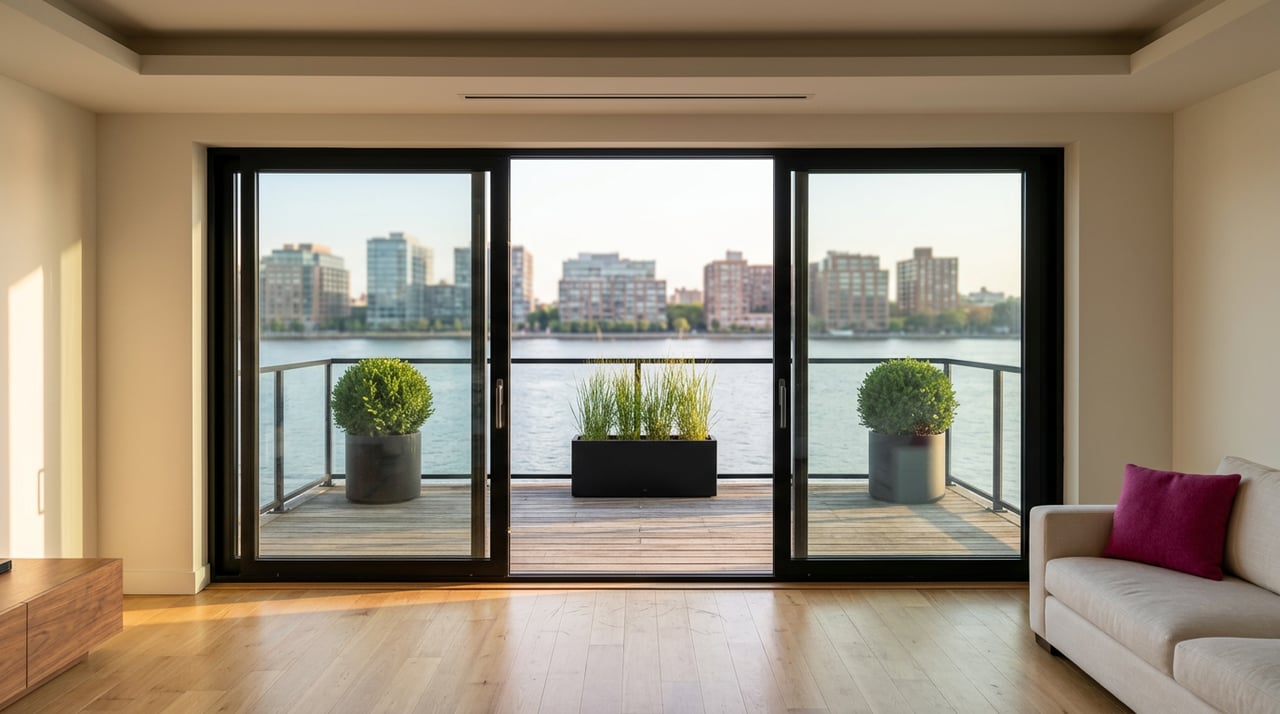
Newport and Liberty Harbor. Purpose-built waterfront communities with condo and rental towers, on-site amenities, and direct access to the riverwalk. If you like new buildings and immediate water views, these planned districts deliver that lifestyle.
Commutes that free your day
Your daily ride is one of the biggest perks of living here. The PATH is the backbone for many commuters, and stations at Exchange Place, Grove Street, and Newport put you close to both homes and offices. Ferries from Paulus Hook run to Pier 11/Wall Street and other Manhattan terminals with frequent service during peak hours. Always check operator schedules for exact times and fares, since walking distance, wait times, and off-peak frequency affect total trip time.
Door-to-door examples
Exchange Place to World Trade Center by PATH. A short station walk and a few quick stops put you in Lower Manhattan fast. Review station access and advisories via the Exchange Place Alliance PATH guide.
Paulus Hook to Pier 11/Wall Street by ferry. Ferries concentrate service during the morning and evening peaks, with posted fares and multi-trip passes. See the Paulus Hook route on NY Waterway.
Newport to Midtown. Depending on your building location, you can opt for PATH connections or ferry routes that target Midtown terminals. Your choice often comes down to which line or dock is a closer walk.
Local mobility
Within Jersey City, the Hudson-Bergen Light Rail and local buses handle cross-town movement, and many residents rely on bike share for short trips. Citi Bike stations cover Jersey City and integrate with the NYC system, which is handy for grocery runs, coffee meetups, and rides along the riverwalk. Explore membership options and station maps on Citi Bike.
Outdoors every day
The Hudson River Waterfront Walkway ties the shoreline together and makes a daily connection to the water feel natural. It is a continuous public promenade used by runners, dog owners, commuters, and photographers chasing Manhattan skyline views. You can preview where the most scenic segments are and plan your routes using the Walkway map.
A few minutes south, Liberty State Park opens up into a vast green lawn with sweeping harbor and Statue of Liberty views. It is also home to the historic CRRNJ Terminal, ferry access to Liberty and Ellis Islands, and one of the area’s signature family destinations, Liberty Science Center. For a full overview of attractions and history, browse the Liberty State Park page.
Here’s how residents tend to use the waterfront on a normal week:
- Morning: jog or bike along the Walkway, coffee on Newark Avenue, and a quick PATH or ferry ride.
- Midweek evenings: stroll the esplanade, catch a sunset, and walk the dog.
- Weekends: picnic at Liberty State Park, skyline photos, and playground time.
Markets, routines, and conveniences
On market days, the neighborhood feels like a small town. Van Vorst Park and Hamilton Park host seasonal farmers’ markets that draw neighbors for produce, flowers, and a quick chat. You’ll also find a busy Historic Downtown evening market in season. For market snapshots and neighborhood context, see this local overview of Van Vorst and Hamilton Park.
Everyday shopping is simple in the planned waterfront districts, where retail and groceries sit below residential towers. If you prefer independent shops and restaurants, the historic blocks around Grove Street, Van Vorst, and Hamilton Park offer a different pace and scale. Many residents blend both: big errands near Newport and weekly staples from smaller spots closer to home.
Love dinner with a view? Liberty Landing Marina anchors a small cluster of waterfront dining terraces and marina life, popular for both date nights and out-of-town guests. Get a feel for services and waterfront access at Liberty Landing Marina.
Arts, culture, and nights out
If you want family-friendly programming by day and adult options by night, Liberty Science Center covers both with exhibitions and special evening events. Scan current programs and event calendars on the LSC site.
For the arts, Mana Contemporary hosts open-studio days and large-scale events in a converted industrial complex, which adds depth to the downtown scene. Explore venue details and happenings at Mana Contemporary. Classic performance nights often include a show at the restored White Eagle Hall or live music scattered across downtown.
Housing snapshot and who chooses it
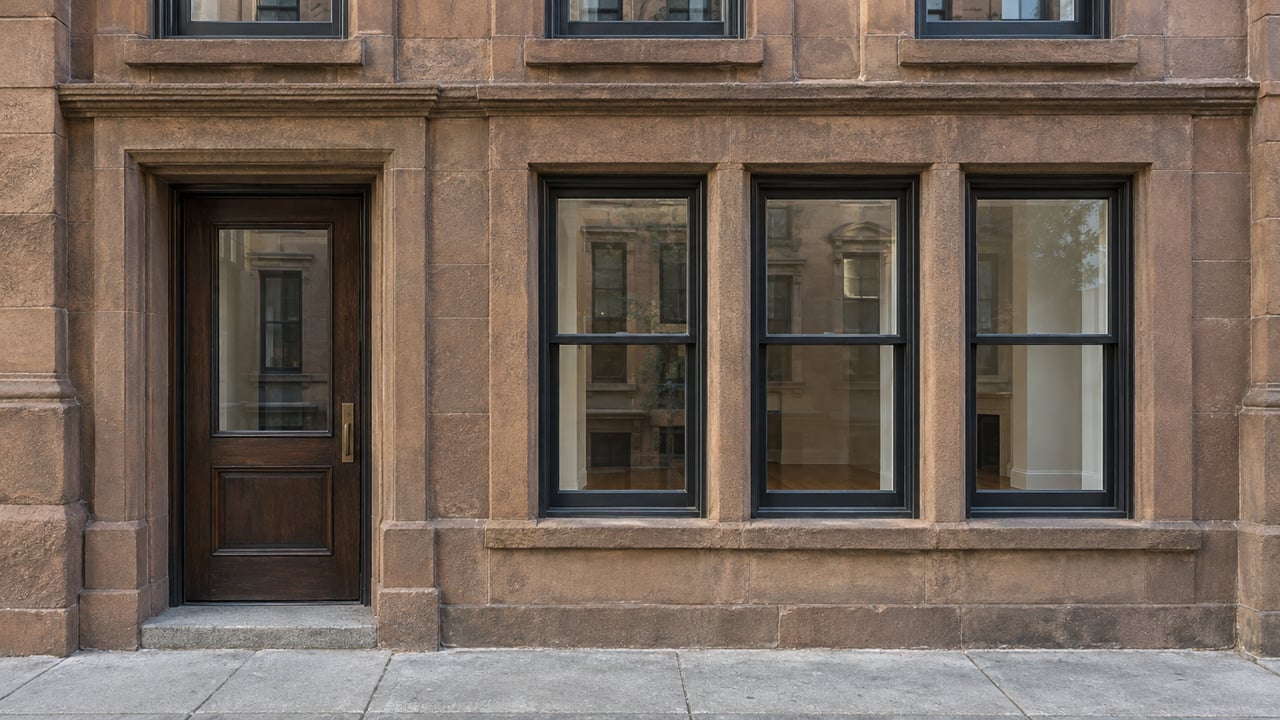
You’ll see two main housing types along the waterfront. Newer high-rise condos and rental towers deliver amenities like doorman service, gyms, and rooftops. A few blocks inland, 19th-century brownstones and rowhouses offer historic texture, often with updated interiors and walkable access to parks and transit.
Recent market snapshots place the citywide median sale price around the high six figures, with downtown and waterfront pockets trending above the city median. As an example, a recent reading showed a citywide median near $699,000, while Paulus Hook and Newport often track closer to or above $900,000. Rental averages have hovered in the mid-$3,000s citywide, with waterfront buildings frequently above that, as of mid-2025. Treat these as directional. Pricing varies by building, line, floor, condition, and timing.
Who tends to choose this lifestyle? People who want a quick, reliable commute to Lower Manhattan, value daily access to the water and parks, and appreciate the choice between amenity-rich towers and historic streets. Investors also look here for rental-ready units near PATH and ferries, given predictable demand and the appeal of waterfront living.
Practical notes buyers appreciate
Check transit schedules before you tour. PATH and ferry times can shift on weekends or during maintenance. Official operator pages provide the most current information, including the Exchange Place PATH guide and NY Waterway’s Paulus Hook route.
Understand coastal context. Waterfront homes can sit in low-lying zones with specific flood-insurance considerations. For background on planning and resilience along the Hudson, review the NJDEP’s coastal management resources for Hudson County here. Your lender and insurer will advise on building-level requirements.
Verify seasonal details. Farmers’ market days, performance calendars, and restaurant hours change. Confirm the latest directly with venues.
Compare building-by-building. On the waterfront, amenities, views, and carrying costs vary widely. A stacked, apples-to-apples analysis will help you weigh value.
Three day-in-the-life snapshots
A commuter morning
- Sunrise run on the Waterfront Walkway, skyline lighting up ahead.
- Quick shower, then a short walk to PATH or the Paulus Hook ferry.
- Espresso near Grove Street before your first meeting.
A weekend with kids
- Hands-on exhibits and a special program at Liberty Science Center.
- Picnic on the big lawns at Liberty State Park with harbor views.
- Golden-hour photos of the skyline from the south lawn.
A date night with a skyline
- Stroll the esplanade and watch boats slip by the marina.
- Dinner on a waterfront terrace near the docks.
- A show at White Eagle Hall or a cultural event downtown.
Make your move with confidence
If the Jersey City waterfront sounds like your kind of every day, you deserve a clear plan and a seamless process. From comparing buildings and commute paths to analyzing carrying costs and rental potential, you’ll benefit from a strategic, concierge approach. For bespoke guidance across Jersey City and Manhattan, connect with Lena Simpson. Request a Personalized Consultation and start shaping your move.
FAQs
How long is the commute from Jersey City waterfront to Lower Manhattan?
- During peak hours, PATH and Paulus Hook ferries offer frequent trips that can put you in Lower Manhattan within minutes. Always check operator schedules and factor in your walk to the station or dock.
What outdoor spaces define life on the Jersey City waterfront?
- The Hudson River Waterfront Walkway and Liberty State Park are the daily standouts, offering skyline views, long promenades, lawns, and access to ferries for Liberty and Ellis Islands.
Are there farmers’ markets near the waterfront neighborhoods?
- Yes. Van Vorst Park, Hamilton Park, and Historic Downtown host seasonal markets that add a village feel to weekly routines. Days and hours change by season, so verify before you go.
What types of homes are typical along the waterfront?
- You’ll find amenity-rich condo and rental towers on the water and historic brownstones and rowhouses a few blocks inland. Many buyers compare amenities and views against monthly carrying costs.
What should I know about flood risk when buying near the water?
- Some waterfront properties are in low-lying zones that may require flood insurance. Review NJDEP coastal resources, building disclosures, and lender requirements to understand your specific risk and coverage.