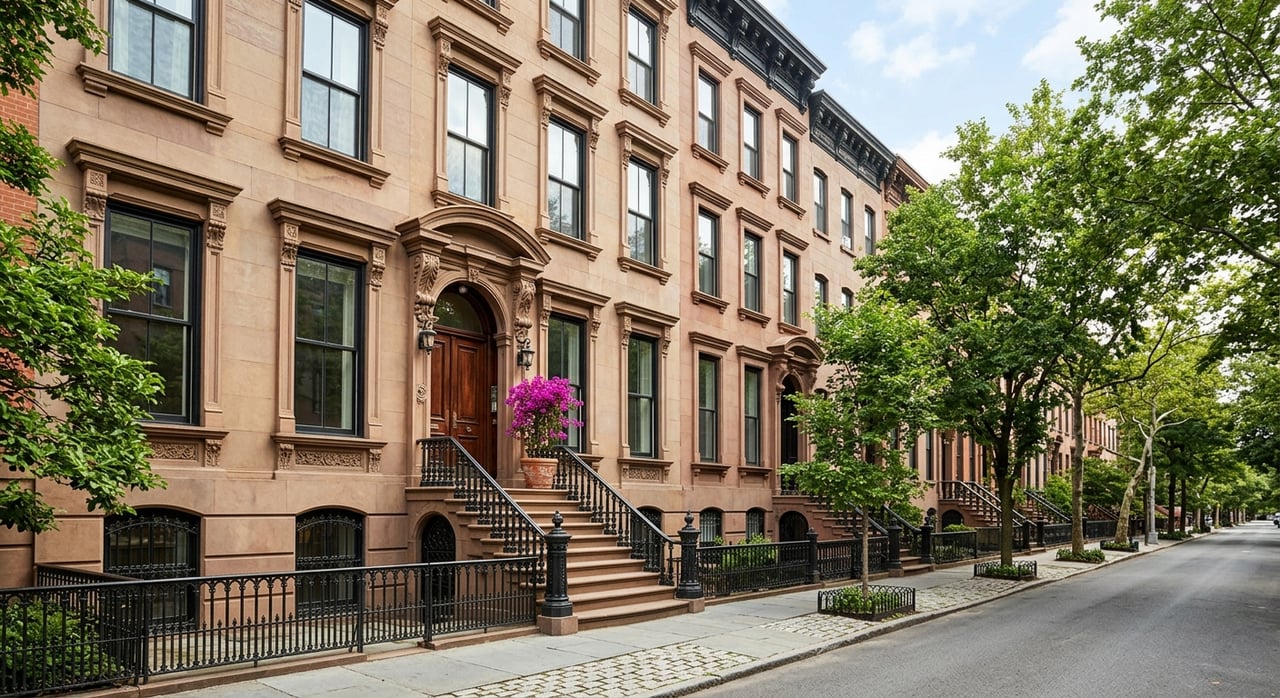
If you have ever walked the Upper West Side and wondered how one block can feel tucked away while the next feels full of movement, you are not imagining it. This part of Manhattan is not one single, uniform neighborhood experience. When you understand its block-by-block rhythm, you can narrow in on the streets that best match how you want to live. Let’s dive in.
Why the Upper West Side Feels Different Block to Block
The Upper West Side is generally defined by Manhattan Community Board 7 as the area from West 59th Street to West 110th Street, between Central Park West and the Hudson River, and that same geography also includes Lincoln Square and Manhattan Valley. You can see that official overview on the Community Board 7 neighborhood page. That broad footprint is one reason the neighborhood feels layered rather than uniform.
A closer look at the area's historic district map resources helps explain why. The Upper West Side includes preserved streetscapes tied to rowhouses, apartment avenues, and river-facing corridors. In practical terms, that means your experience can change quickly depending on whether you are standing on Broadway, a side street near West End Avenue, or a park-facing stretch.
Lincoln Square Brings the Most Energy
If you want the busiest and most public-facing part of the Upper West Side, start in Lincoln Square. Lincoln Center sits between West 62nd and 65th Streets, between Columbus and Amsterdam Avenues, on a 16.3-acre campus that includes 11 performing arts and arts education nonprofits. That concentration of culture, visitors, and events gives the surrounding blocks a very different pace from the quieter residential interior of the neighborhood.
Transit is part of that story too. The nearby 59th Street-Columbus Circle and 66th Street-Lincoln Center subway access makes this stretch one of the most connected areas on the west side. If your daily routine depends on fast train access, a busy streetscape, and easy reach to major destinations, the south end of the Upper West Side often feels like the strongest fit.
There is also a subtle difference within Lincoln Square itself. According to Lincoln Center’s West Initiative overview, the Columbus Avenue side is more inviting and connected to the campus, while the Amsterdam Avenue side has less direct access. So even within a few blocks, one side can feel more front-row and the other slightly more removed.
Broadway Stays Active Through the Middle
As you move north, Broadway continues to shape the neighborhood’s busiest stretches. The MTA subway map for the 1 line shows stations at 72nd, 79th, 86th, and 96th Streets, which helps explain why Broadway and the nearby avenues tend to feel active throughout the day. More train stops usually mean more foot traffic, more errands, and a more constant street rhythm.
That does not mean every nearby block feels equally busy. In many parts of the Upper West Side, the avenues carry the movement while the side streets quickly become more residential in tone. If you like convenience but do not necessarily want your front door on the most active corridor, this is where block-level shopping becomes especially important.
Central Park West Has a Different Daytime Rhythm
Central Park West offers one of the neighborhood’s most recognizable addresses, but its feel depends on the exact section. Around West 77th to West 81st Streets, the American Museum of Natural History and Theodore Roosevelt Park create a daytime pattern that is different from a purely residential block. You can expect more pedestrian activity and a stronger draw for visitors using the museum and park entrances.
This area also offers immediate access into Central Park. The Central Park Conservancy visitor guide highlights west-side access points and nearby destinations like The Ramble and Shakespeare Garden. If you want quick park entry and enjoy a lively edge where culture and open space meet, this pocket stands out.
Still, not every park-facing block reads as equally quiet. The Conservancy notes that the 66th, 79th, 86th, and 96th Street transverses are open to motor vehicles, which can affect how secluded nearby corners feel. Blocks set a little farther from those crossings may feel calmer than addresses right near them.
Riverside Drive Feels Scenic and Residential
On the western edge, Riverside Drive has a very different personality from Central Park West. Riverside Park runs four miles from 72nd to 158th Streets along the Hudson River, with terraces descending from Riverside Drive to the waterfront promenade and the Manhattan Waterfront Greenway. That setting naturally appeals to anyone who values long walks, runs, cycling, or a daily riverfront routine.
The blocks near Riverside Drive often feel more scenic and less institution-driven than the southern cultural core. You still have the city around you, but the river edge creates a more open visual experience. For many buyers and renters, that difference is not just aesthetic. It shapes how the neighborhood feels when you step outside every morning.
West End Avenue and Side Streets Feel Calmer
If your goal is a quieter residential rhythm, the strongest shorthand is West End Avenue and the side streets around it. Landmarks Preservation Commission materials for areas such as West End-Collegiate and Riverside-West End Extension II describe a built environment that mixes town houses, rowhouses, and apartment buildings from the late 19th and early 20th centuries. That architectural pattern helps explain why these blocks can feel more intimate than the major avenues.
The same LPC materials also note that Riverside Drive and West End Avenue have a strong streetwall made up largely of sizable apartment buildings, while side streets often hold more picturesque rowhouse groupings. In plain terms, you get a blend of classic New York scale and quieter residential texture. This is one of the reasons the Upper West Side appeals to people who want urban convenience without feeling fully immersed in the busiest street energy all day.
Historic Districts Shape the Neighborhood's Character
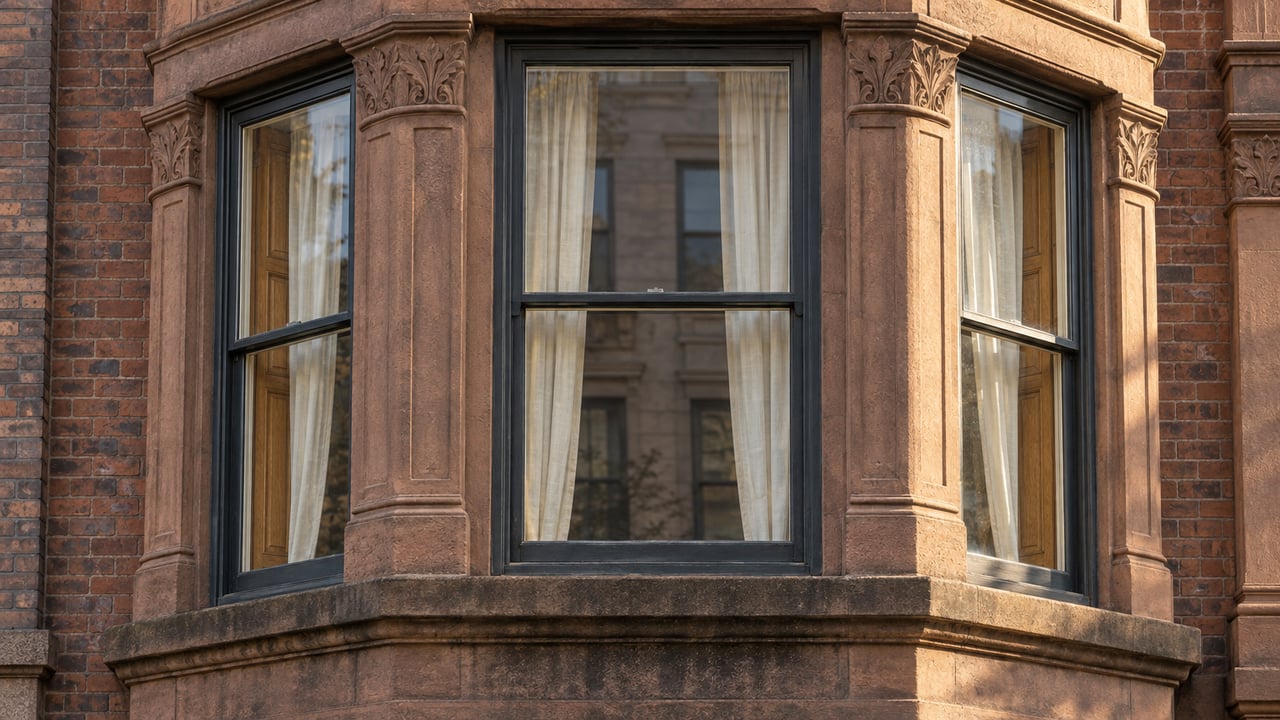
One of the Upper West Side’s biggest strengths is that its character is preserved not just in isolated buildings, but in whole streetscapes. The West 71st Street Historic District includes 33 rowhouses built between 1893 and 1896, while other protected districts across the neighborhood reflect a mix of Renaissance Revival, Romanesque Revival, Queen Anne, Colonial Revival, and Beaux-Arts styles. That architectural continuity gives many blocks a strong sense of identity.
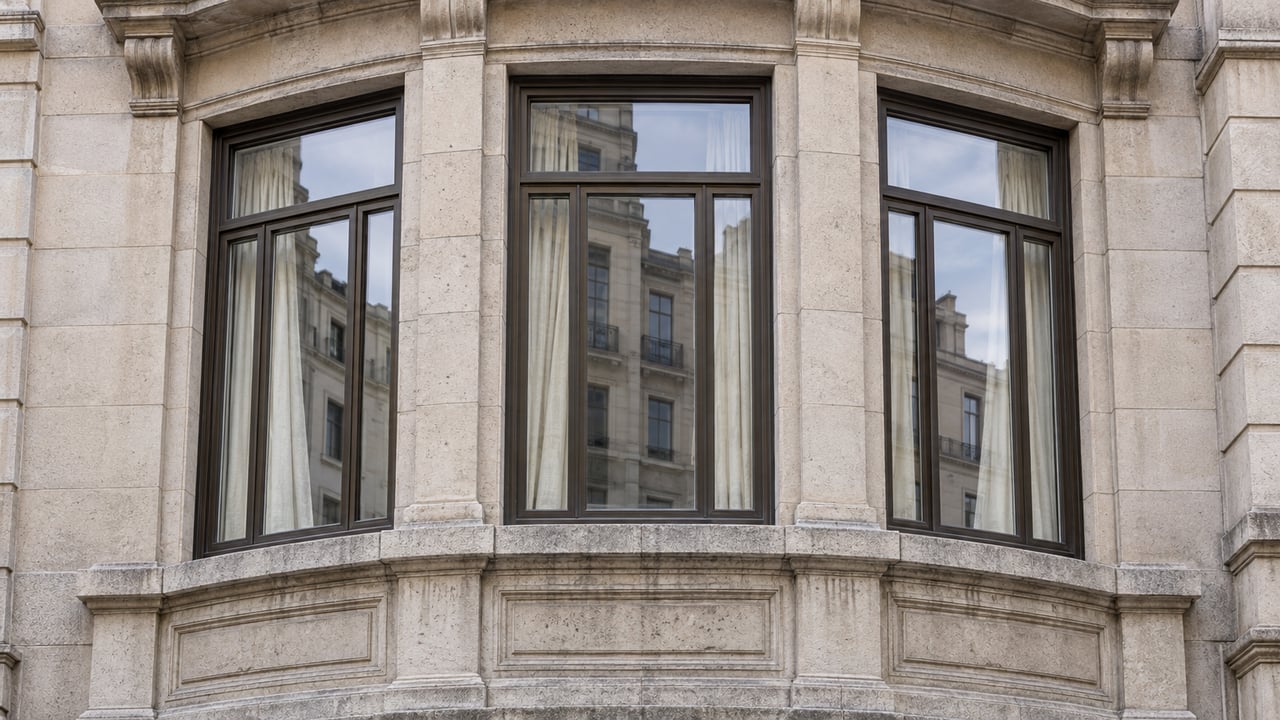
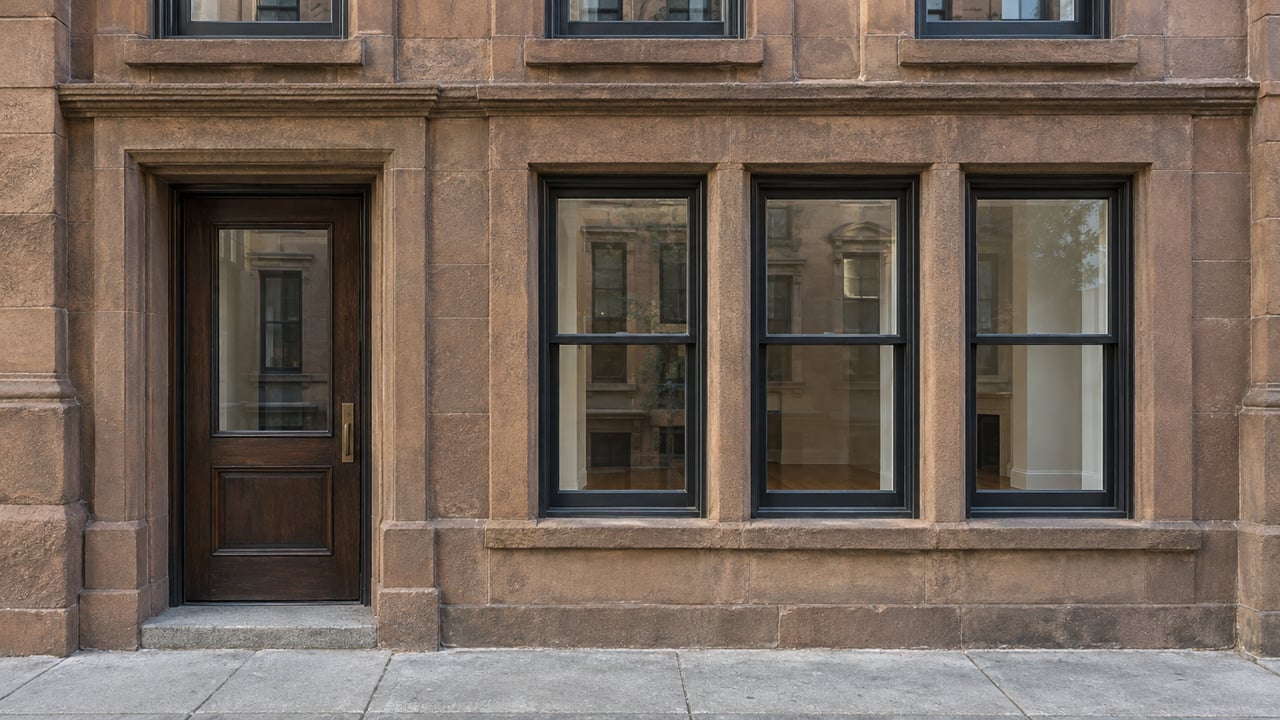
This is also why the Upper West Side should not be reduced to a simple “brownstone neighborhood” label. The area alternates between low-rise rowhouse stretches, larger prewar apartment avenues, park edges, and institutional corners. If you are comparing addresses, those differences matter as much as the neighborhood name itself.
Manhattan Valley Feels Like a Hinge Area
The north end of the Upper West Side often deserves its own lens. Because Community Board 7 extends to West 110th Street and includes Manhattan Valley, the 100s can feel more transitional than the classic low-rise core farther south. You can think of this section less as a copy of the 70s and 80s, and more as a hinge between the neighborhood’s established middle and its northern edge.
That does not make it better or worse. It simply means your experience may feel different in terms of streetscape, building mix, and overall rhythm. If you are searching in this section, it helps to evaluate each cluster of blocks on its own terms.
How to Choose the Right Upper West Side Blocks
The easiest way to narrow your search is to start with your day-to-day priorities. On the Upper West Side, small shifts in location can meaningfully change your experience.
Here is a simple way to think about it:
- If you want culture and transit, focus on Lincoln Square, Columbus Circle, Broadway, and the 62nd to 66th Street corridor.
- If you want a calmer residential feel, look more closely at West End Avenue, Riverside Drive, and side streets within the historic districts.
- If you want quick park access, Central Park West around 79th to 81st Streets offers easy entry to both the park and the museum area.
- If you want river views and longer outdoor routes, Riverside Drive and the blocks near Riverside Park are strong matches.
- If you are exploring the north end, treat the 100s and Manhattan Valley as their own sub-area rather than assuming they feel identical to the classic middle blocks.
When you are buying, selling, or leasing in a neighborhood this nuanced, broad labels only get you so far. The real value comes from understanding how individual streets live day to day, and matching that rhythm to your priorities. If you want guidance tailored to your move, Lena Simpson offers a high-touch, neighborhood-specific approach that helps you make smart decisions with confidence.
FAQs
What part of the Upper West Side feels busiest?
- The busiest areas are generally around Lincoln Square, Columbus Circle, Broadway, and the 62nd to 66th Street corridor, where cultural venues and dense subway access create a more active street environment.
Which Upper West Side blocks feel quieter and more residential?
- West End Avenue, Riverside Drive, and many side streets within the historic districts tend to feel calmer because they are shaped more by residential buildings than by major venues or heavy corridor traffic.
Is Central Park West quiet on every block?
- No. Central Park West can feel livelier near museum activity and near the park transverses at 66th, 79th, 86th, and 96th Streets, while blocks farther from those crossings may feel less busy.
How is Riverside Drive different from Central Park West?
- Riverside Drive is more closely tied to river views, waterfront access, and Riverside Park, while Central Park West connects more directly to Central Park and, in some sections, to major cultural destinations.
Does the Upper West Side include Manhattan Valley?
- Yes. Community Board 7 includes Manhattan Valley and extends north to West 110th Street, which is why the northern part of the Upper West Side can feel different from the classic core in the 70s and 80s.
Why does the Upper West Side have such a strong block-by-block identity?
- The neighborhood combines historic rowhouse streets, prewar apartment avenues, park-facing blocks, and institutional areas, so the built environment changes quickly and gives each cluster of blocks its own feel.