Dreaming of a light filled SoHo loft you can slip into whenever you are in New York? If you live abroad or split time between cities, a pied-à-terre can make your stays easier and more enjoyable. You just need a clear plan for building rules, financing, and taxes that apply to international buyers. This guide walks you through how to choose the right building, line up financing, budget for taxes, and close from overseas with confidence. Let’s dive in.
Why a SoHo pied-à-terre works
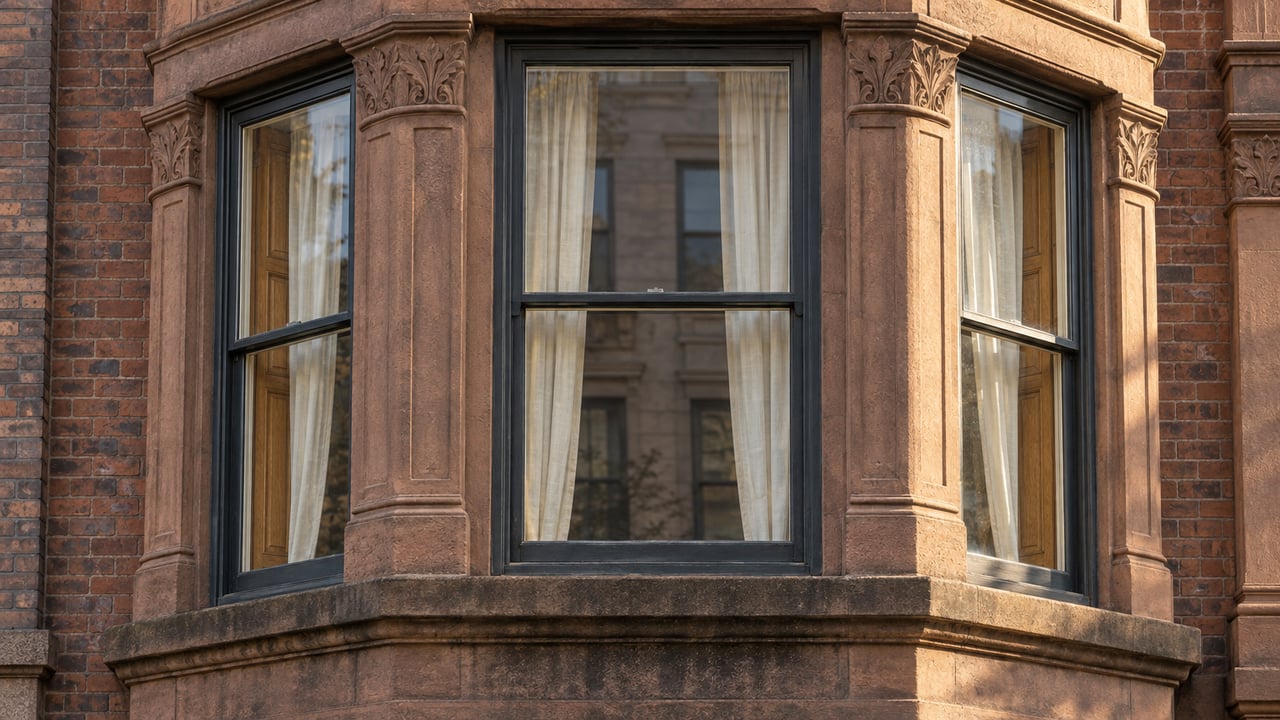
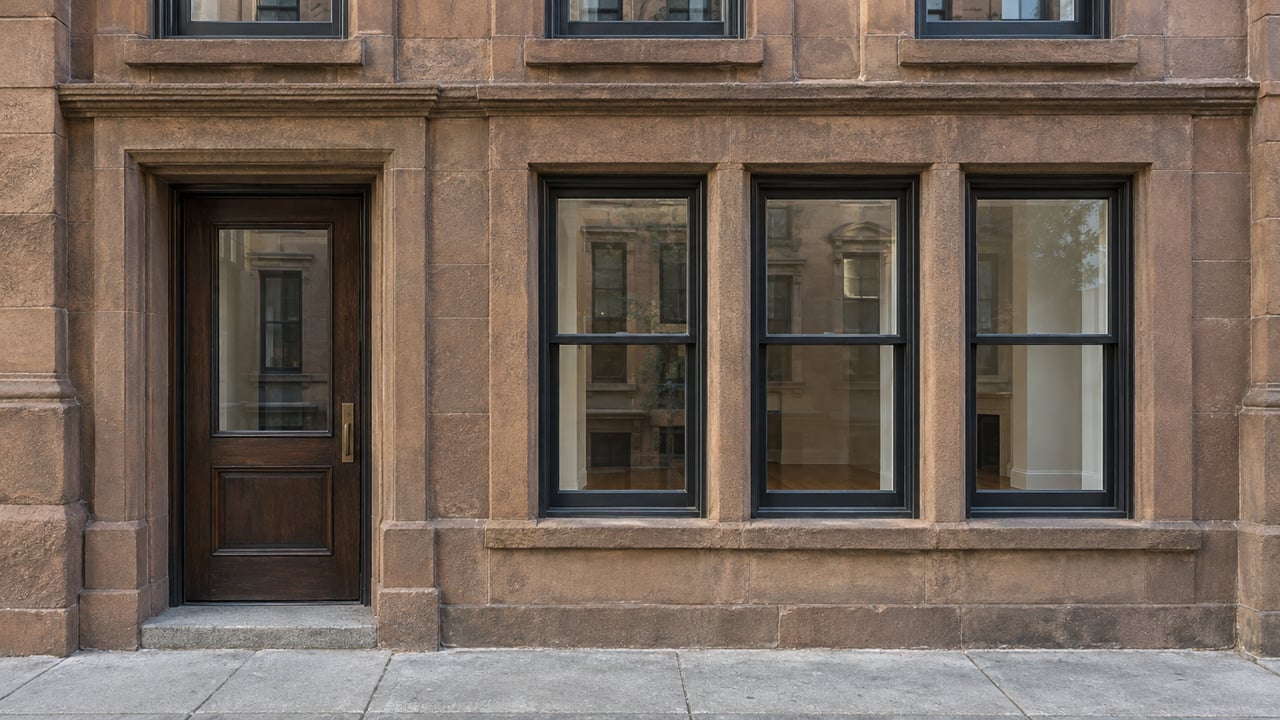
SoHo’s character comes from its cast-iron façades, tall windows, and airy loft floorplates. Much of the neighborhood sits in the SoHo–Cast Iron Historic District, which shaped how former commercial buildings converted to residential lofts and how exteriors are maintained. You can learn more about the designation through the SoHo–Cast Iron Historic District overview.
You will find a mix of co-op loft conversions, condo lofts, and newer boutique buildings. That mix matters. The form of ownership drives your rights to use the home part time, how you finance, and how easily you can rent or resell. In short, always confirm the building’s offering plan, proprietary lease, by-laws, and house rules before you fall in love with a space.
Choose the right ownership: condo vs co-op
Picking the right structure early saves time and stress. Here is how the two main options compare for a pied-à-terre.
Condos: more flexible for part-time use
- You receive a deed to the unit. Boards can set rules, but approval is usually less invasive than a co-op.
- Condos often allow part-time use and leasing with fewer restrictions. Many international buyers prefer condos for this reason.
- Entity ownership is usually possible, subject to building rules.
Co-ops: more gatekeeping and rules
- You buy shares in a corporation and receive a proprietary lease. Board approval is required for purchase.
- Many co-ops restrict or prohibit pied-à-terre use, subletting, investor ownership, and LLC ownership.
- Financing can be more complex and slower because lenders make share loans and boards review detailed financials.
For a practical overview, see the differences between co-ops and condos. If a pied-à-terre is essential, favor condos unless the co-op’s documents clearly allow part-time occupancy.
Financing as an international buyer
Foreign-national mortgage programs exist, but they require more planning. Lenders often ask for higher down payments and more documentation than for U.S. residents. Typical programs cite loan-to-value limits around 50 to 75 percent, which means a down payment of roughly 25 to 50 percent. Interest rates and fees may be higher too. Always confirm current terms with your lender. Review common requirements in this summary of foreign-national mortgage programs.
What lenders often request:
- Valid passport and, if applicable, visa or residency documents.
- Recent bank statements showing seasoned funds, often 60 to 90 days.
- Proof of income, such as accountant letters, tax returns, or business accounts.
- Reference letters from your foreign bank and sometimes a foreign credit report or alternative credit references.
- An ITIN may be acceptable. Some lenders require a Social Security Number if you have U.S. ties.
If you are considering a co-op, budget extra time. You will prepare a full board package and may face lender and board review in sequence. For co-op process timing, see this overview of the co-op board package timeline.
Understand transfer taxes and key money items
NYC and New York State impose significant transfer taxes at closing. These costs can be material at SoHo price points, so plan for them early.
- NYC Real Property Transfer Tax. For residential deals, the city charges 1 percent for prices of 500,000 dollars or less and 1.425 percent for prices above 500,000 dollars. See the city’s page on the NYC Real Property Transfer Tax.
- New York State taxes. The state charges a base transfer tax of 0.4 percent plus an additional 1 percent mansion tax on residential purchases of 1,000,000 dollars or more. For NYC residences at 2,000,000 dollars and above, there is a supplemental progressive schedule. Review the official TP-584-NYC instructions for the full table and examples.
Other items to keep in mind:
- If you later sell as a foreign person, the buyer or closing agent may need to withhold under FIRPTA. Learn the rules in the IRS FIRPTA guidance.
- Nonresident sellers also have New York State estimated tax filing at sale, handled through the forms linked in the TP-584-NYC instructions.
- Estate planning matters. Nonresident noncitizen owners have U.S. estate tax exposure on U.S.-situs assets. The filing threshold for nonresidents is far lower than for U.S. domiciliaries. Start with the IRS FAQ on estate tax rules for nonresidents and engage cross-border tax counsel.
Tip: Build a simple worksheet with purchase price, estimated taxes, title and legal fees, lender costs, and reserve requirements. Share it with your attorney and mortgage broker before you make an offer.
Short-term rentals and building rules
Short-term rentals are tightly restricted in NYC. A short-term rental is any stay under 30 consecutive days. Under Local Law 18, hosts generally must be permanent occupants and must register with the Mayor’s Office of Special Enforcement. Buildings can also be placed on a prohibited list that blocks registration. Learn the basics in the city’s overview of the Short-Term Rental Registration Law.
What this means for your SoHo pied-à-terre:
- Whole-unit rentals under 30 days are widely restricted. Plan on 30-day minimums or longer, subject to building rules.
- Co-ops often limit subletting or require a waiting period. Condos may allow rentals, but many have minimum-term and application rules.
- Always review the building’s declaration or proprietary lease and house rules before you rely on rental income.
Closing from abroad with confidence
You can close a SoHo purchase from overseas if you plan the logistics early.
- Build your team. Engage a New York City real estate attorney with co-op and condo experience, and a mortgage broker who handles foreign-national loans. If taxes are complex, add a cross-border tax advisor.
- Use a power of attorney if needed. Many buyers sign a limited POA so their NYC attorney can close on their behalf. The city recognizes filings by an authorized agent when proper documentation is attached. The RPTT page above outlines procedures and forms at recording.
- Ask about remote notarization. New York authorizes remote online notarization under current rules. Confirm acceptance with your title company and lender before relying on it.
- Protect your funds. Title companies will provide secure wiring instructions. Always verify instructions using a known phone number. Never rely on email alone for last-minute changes.
- Expect a realistic timeline. Well prepared condo deals often close 4 to 8 weeks after contract. Co-ops commonly take 8 to 16 weeks or more due to board review and interviews. The co-op board package timeline resource gives helpful context.
- Know the forms. NYC recordings require the TP-584-NYC and related state forms. Title and counsel handle filings, but you should understand what you are signing.
Rental potential and exit strategy
If rental flexibility and future resale value matter, align your choice with your plan.
- Liquidity. Condos usually resell faster and appeal to a broader buyer pool, including investors. Co-ops can take longer due to board approval and more restrictive policies.
- Income planning. Verify minimum lease terms and application steps in your building. For short-term stays under 30 days, assume restrictions unless you qualify and register under the city’s rules.
- Market cycles. SoHo is a luxury market influenced by broader Manhattan trends. Focus on quality, building health, and long-term desirability rather than short-term yield promises.
Quick checklist for international buyers
- Decide on condo versus co-op before you tour seriously. If part-time use is essential, condos are often the clearer path.
- Get prepped with a lender that handles foreign-national loans and ask for a current terms sheet.
- Hire a NYC real estate attorney early. Share the building’s governing documents for a rules check.
- Budget for transfer taxes, title fees, legal fees, and higher down payment ranges.
- If you plan to rent, confirm the building’s rental or sublet policy and NYC short-term rules.
- Set up a power of attorney and confirm whether remote notarization is acceptable to your title company and lender.
- Verify wire instructions by phone with your title company to avoid fraud.
Red flags to watch
- The governing documents forbid pieds-à-terre or limit subletting in ways that do not fit your plan.
- Co-op policies require very high post-closing liquidity, or they prohibit entity ownership.
- No one on the closing team is addressing FIRPTA and nonresident tax forms in a resale scenario.
- Wire instructions arrive by email with a request to change bank details at the last minute.
Ready to map the right buildings and a clear financing and tax strategy for your SoHo pied-à-terre? Request a Personalized Consultation with Lena Simpson for boutique, high-touch guidance tailored to international buyers.
FAQs
What does “SoHo” mean for a pied-à-terre purchase in Manhattan?
- SoHo covers a landmarked cast-iron district with many loft conversions, which affects building rules and how properties were converted to residential use.
How do condo and co-op rules impact part-time use for international buyers?
- Condos typically allow more flexible part-time use and leasing, while co-ops often restrict or prohibit pieds-à-terre and require board approval to buy.
What down payment should a foreign-national expect for a SoHo condo?
- Many programs cite 25 to 50 percent down with higher rates and fees than resident loans, but exact terms vary by lender and your documentation.
Are short-term rentals under 30 days allowed in SoHo lofts?
- Whole-unit stays under 30 days are widely restricted in NYC unless the permanent occupant registers and the building qualifies under Local Law 18.
Can I close a SoHo purchase from overseas without traveling to New York?
- Yes, many buyers close via power of attorney, and New York permits remote notarization subject to title and lender approval.
What taxes should an international buyer budget for at closing in NYC?
- Plan for NYC transfer tax, New York State transfer tax and mansion tax, plus standard closing costs, all of which scale with purchase price.