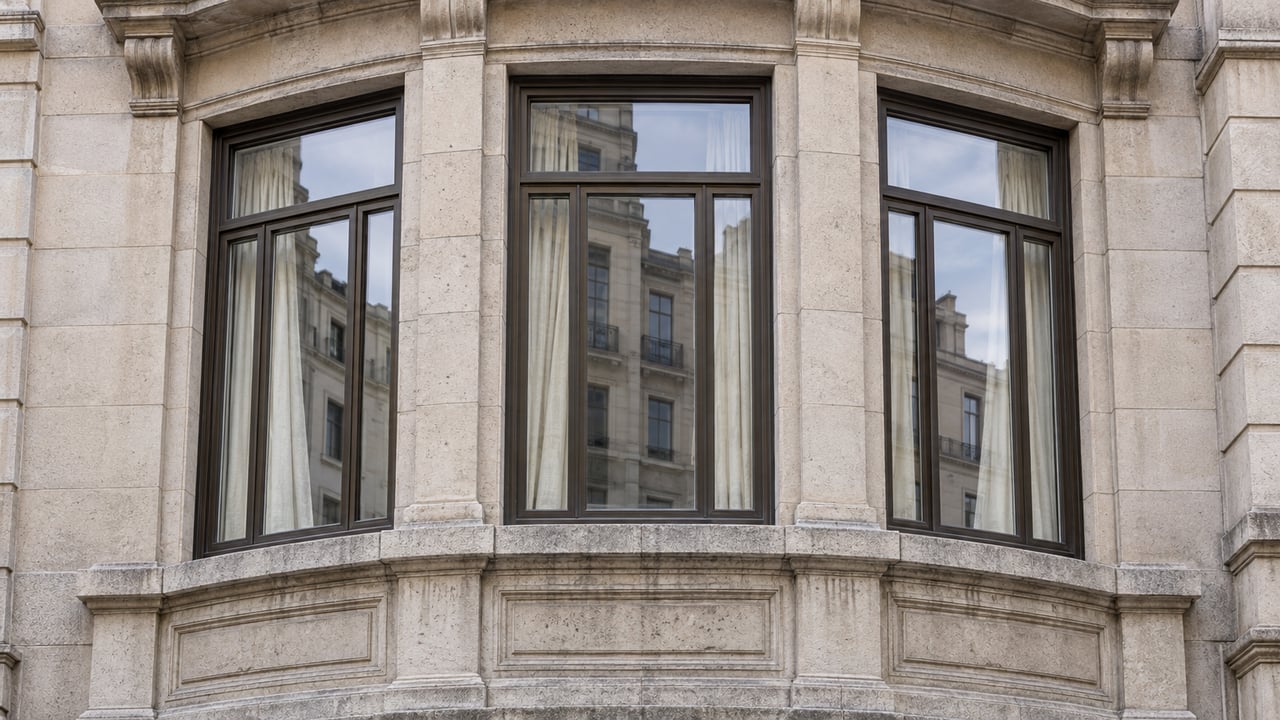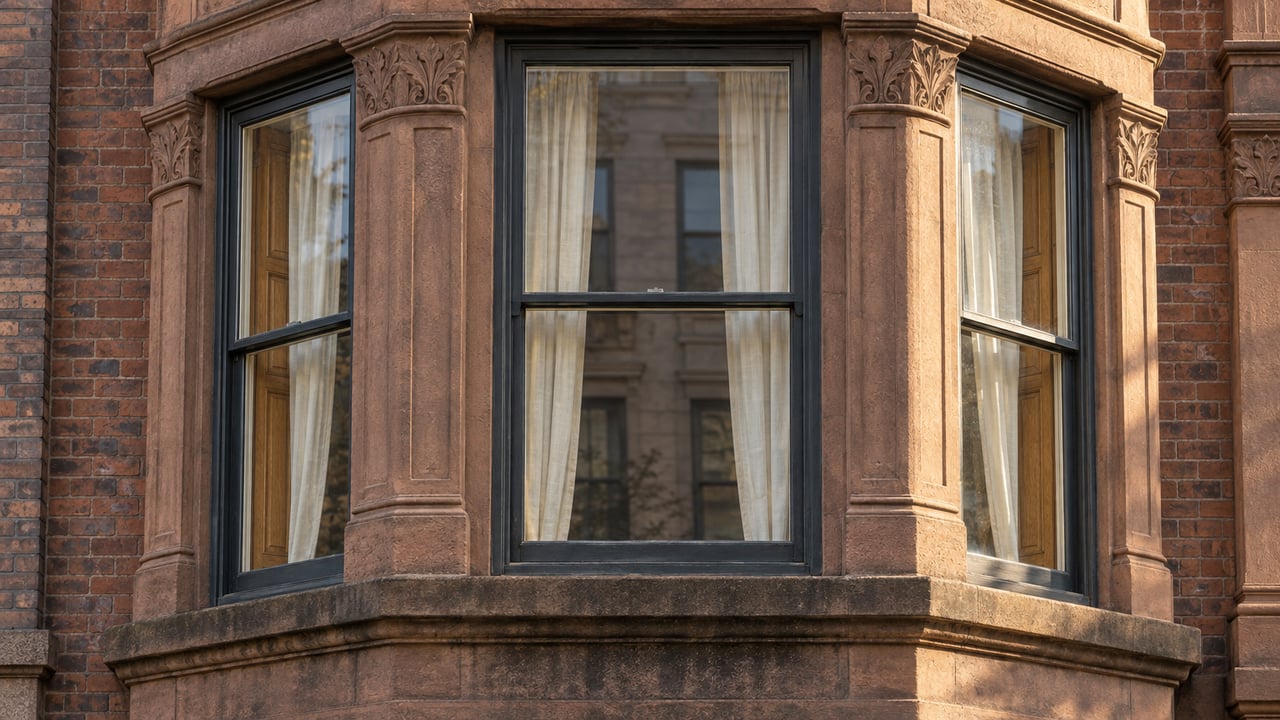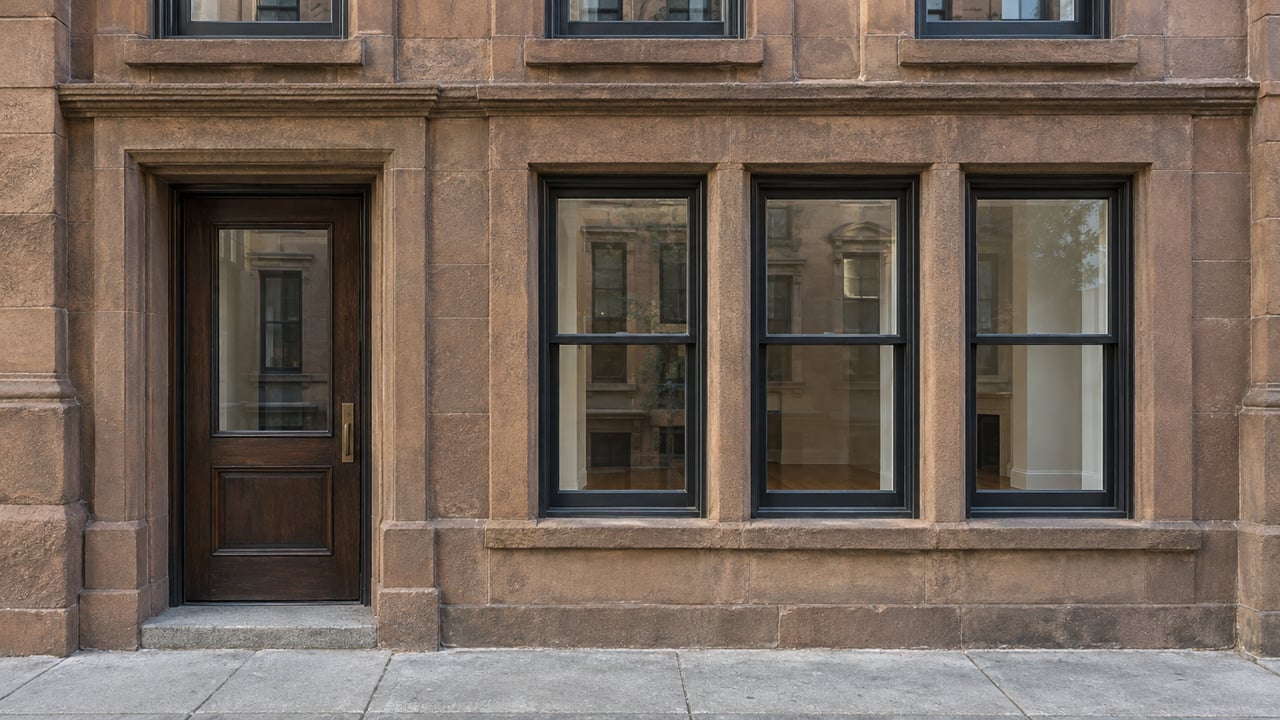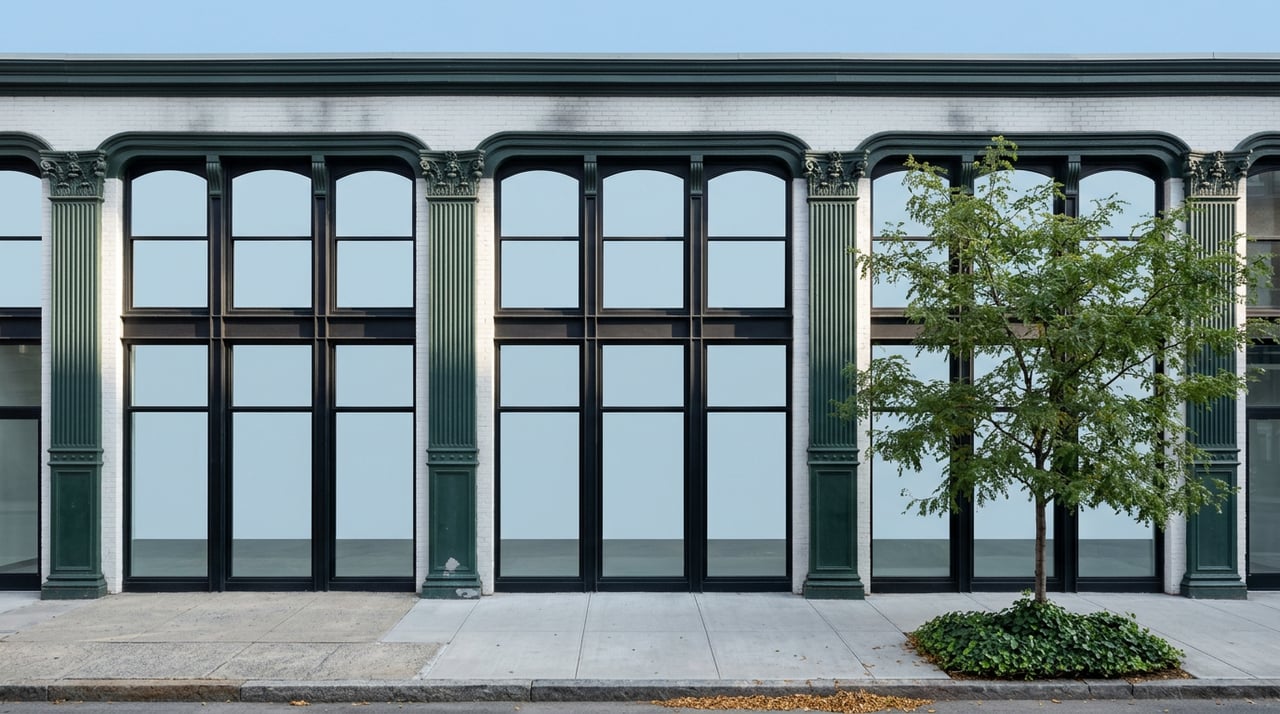
Stand at the corner of Houston and West Broadway on any weeknight and you'll see the phones out for the cast-iron facades, the slow drift toward whatever storefront just opened. Nearby, on West Broadway and a few blocks south on Grand, restaurants old and new help anchor the neighborhood's social calendar.
That's the dining scene worth understanding this fall. The restaurants people book, the tables they wait for, the group texts that start with "can you get us in" point toward a remarkably small stretch of the neighborhood.
One Operator, Two SoHo Restaurants, One in Progress
The Corner Store opened at 475 West Broadway in 2024 and became one of the harder reservations in downtown Manhattan almost immediately, the kind of place where the wagyu French dip sold out before most people had heard of it. The same team, Catch Hospitality Group, followed with The Eighty Six in the West Village, then brought the momentum back to SoHo in February 2026 with Or'esh at 450 West Broadway, a live-fire Mediterranean restaurant from Michelin-trained chef Nadav Greenberg. Or'esh was drawing Michelin speculation within a month of opening, and its custom charcoal grill, sized like a bathtub and built to handle roughly seventy percent of the menu, has become the kind of detail regulars mention before they mention the food.
Now the group is opening a fourth concept in the old Principe space, directly across West Broadway from The Corner Store. That's two kitchens from one operator, plus another in progress, inside a two-block radius, with The Eighty Six in the West Village.
Eugene Remm, one of the group's founders, told Robb Report when Or'esh opened: "We are stretching ourselves when it comes to the culinary side of what we do. We're taking risks, moving things differently, and we're being unapologetic about it." Three restaurants in eighteen months across the West Village and SoHo is what that risk-taking looks like on a map.
Grand Street's Outlier
While Catch Hospitality Group was building density on West Broadway, a very different kind of opening landed a few blocks away. Selene by Kyma debuted at 23 Grand Street on May 18, 2026, and it operates at a scale nothing else in the neighborhood attempts: 10,000 square feet across three floors, seating for 250 to 300 guests, and a retractable-roof atrium that opens the main dining room to the sky. Co-founder Reno Christou spent more than three decades shaping New York's Greek dining scene through Milos, Avra, Periyali, and Limani. His partner, James Ragonese, ran operations for Scarpetta and LDV Hospitality's broader portfolio for two decades before this.
The retractable roof isn't a design flourish for its own sake. In a city with eight months of unreliable outdoor weather, a room that can open in May and seal against a cold snap in March solves an actual operating problem, and it gives Selene a garden terrace and an atrium that function as two more dining rooms depending on the night. Selene sits a short walk south of the two-block cluster, with a scale that stands apart from the other openings described here.
The Anchors That Don't Need Momentum
Not everything worth booking in SoHo opened this year. Balthazar has run the same French brasserie playbook, steak frites and onion soup in a room that never fully quiets down, since 1997. Fanelli's Café on Prince Street has been pouring drinks since 1847 and has outlasted every version of the neighborhood that came after it, including the stretch when nearly every ground-floor storefront nearby turned into a luxury boutique.
Those two rooms matter here for what they prove: SoHo's dining identity was never only about whatever just opened. The neighborhood has always had a small set of places that don't need buzz to stay full, and this year's new cluster is building alongside that foundation, not replacing it.
Broadway's Retail and Temporary Activations
None of this means Broadway is quiet. The opposite is true, and that's exactly the point. Foot traffic at Broadway and Prince Street has grown roughly 15 percent since 2023, according to counting-device data reported by the SoHo Broadway Initiative, and Prince Street retail now commands rents near $1,073 per square foot against a Manhattan average closer to $688. The corridor includes flagship stores, international debuts, and temporary activations.
Earlier this month, the cast included KIKO Milano's new SoHo flagship at 430 West Broadway, which opened September 3 through 7, timed just ahead of New York Fashion Week's September 8 through 15 run. Fashion Week itself is bringing a wave of short-term takeovers to the corridor, including a Carolina Herrera pop-up marking ten years of its Good Girl fragrance and Calzedonia's "The Stoop," both built to last days, not seasons. Nike's SoHo store at 611 Broadway is designed the same way: a temporary footprint with an interior that shifts with the sporting calendar, built around this year's World Cup and moving toward the U.S. Open and the New York City Marathon.
Broadway's rising numbers accompany the short-term brand activations described here, while nearby restaurants add another part of SoHo's dining scene.
Galleries and Boutiques Beyond Broadway
SoHo's western streets and the area near the Tribeca border also have gallery and atelier activity this season. Kaufmann repetto at 55 Walker Street held a solo show through late August, Peter Freeman on Grand continued its regular program, and Kazakh designer Meruert Tolegen opened her first U.S. boutique at 39 Wooster Street. These galleries and boutiques add to the range of activity across SoHo.
Planning a Week in SoHo
If you live in SoHo, this fall offers several restaurants to consider: Or'esh for the live-fire tasting menu, The Corner Store if you can get the reservation, Selene if you want the retractable roof open on a warm night, and Balthazar or Fanelli's for a long-established room.
This fall, SoHo's dining, retail, and gallery offerings can be explored across Broadway and nearby streets.
Whether you're settling deeper into SoHo or just starting to think about what life here actually looks like day to day, it helps to have someone who tracks these shifts as closely as the market itself. Lena Simpson has spent two decades watching how neighborhoods like this one evolve block by block, and would welcome the chance to talk through what SoHo living looks like for you. Request a personalized consultation whenever you're ready.