Selling on the Upper West Side can feel deceptively simple. Demand is real, the housing stock is iconic, and buyers know the neighborhood well. But in a market with deep inventory, co-op rules, and price-sensitive buyers, confidence comes from preparation, not guesswork. This guide will show you how to price, prep, market, and navigate the process with clarity so you can list your Upper West Side home with a stronger strategy. Let’s dive in.
Understand the Upper West Side market
The first step is knowing what kind of market you are entering. On the Upper West Side, pricing is best understood as a range rather than one headline number. Recent data showed a median sale price of about $1.2 million and about 54 days on market, while a March 2026 listing snapshot showed a median listing price of $1.75 million, about 55 days on market, and a 98% sale-to-list ratio.
Those figures tell an important story. Sold data and active listing data measure different things, but both point to a large, active market where pricing still matters. Realtor.com also classified the neighborhood as a buyer’s market in March 2026, which means strong demand does not automatically guarantee top results for a poorly positioned listing.
The Upper West Side also has real transaction volume. A 2025 summary reported 1,282 home sales, which was the second-highest total of any New York City neighborhood. That depth gives sellers opportunity, but it also means your home will be compared against many others.
Why pricing needs nuance
Not every Upper West Side home competes in the same lane. Homes near Central Park and Riverside Drive often command premium pricing, and larger prewar apartments and townhouses can stand apart from smaller, older co-ops. If you price from broad neighborhood averages alone, you can miss the factors that buyers actually use when comparing options.
That is why confidence starts with realistic positioning. A smart pricing strategy should reflect your building type, layout, condition, light, and location within the neighborhood. In a market where buyers have choices, overpricing can cost you valuable momentum in the first few weeks.
Know if you are selling a co-op or condo
On the Upper West Side, the path to closing can look very different depending on whether you own a co-op or a condo. That difference affects your buyer pool, your timeline, and how you should prepare before listing.
In a co-op, the buyer purchases shares in a corporation and receives a proprietary lease. In a condo, the buyer owns the unit itself. That structural difference shapes the entire transaction.
Co-op sales require more preparation
Co-op buyers usually face stricter financial requirements, a detailed board application, and often an interview. StreetEasy notes that co-ops often require at least a 20% down payment, and the approval process can add weeks or even months to the closing timeline.
For you as a seller, that means the apartment is only part of the story. Buyers may also review building documents, board materials, financial reports, and known building issues during the contract period. If those questions come up late, your transaction can slow down fast.
Condo sales may attract a broader pool
Condo approval is generally simpler and may allow lower down payments, sometimes as little as 10%. Condos also tend to offer more flexibility for subletting and pied-à-terre use. That can widen the buyer pool, especially in Manhattan where some buyers value flexibility as much as the apartment itself.
That said, condos typically cost more overall and often come with higher closing costs. So while the path may be simpler, buyer expectations are often high when it comes to finish level, presentation, and value.
Prepare your home before listing
The best pre-listing work is often the least dramatic. You do not need to over-renovate to make a strong impression. In fact, current research supports a more practical approach.
According to the 2025 staging survey from NAR, 29% of agents said staging increased the dollar value offered by 1% to 10%, and 49% said it reduced time on market. More than half of sellers’ agents also recommended decluttering or correcting property faults when full staging was not used.
Focus on simple, high-impact updates
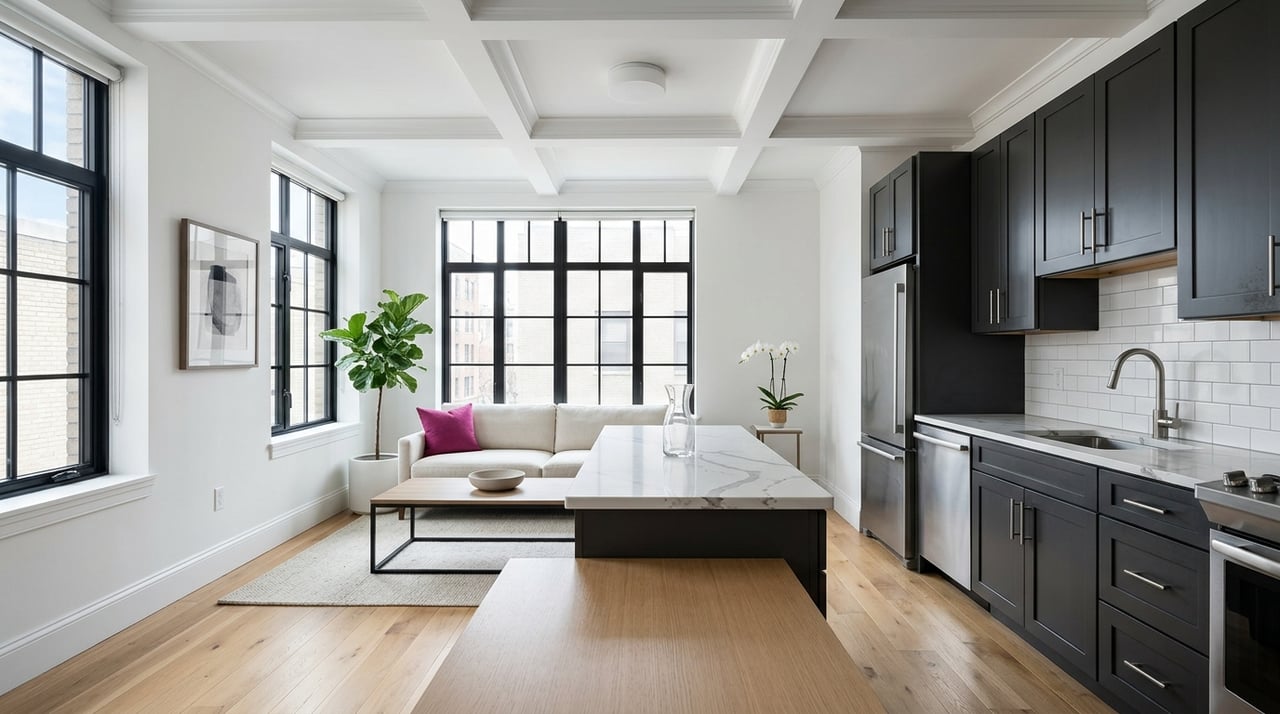
For many Upper West Side homes, especially in prewar buildings, buyers respond to brightness, flow, and overall condition. Fresh paint, repaired walls, updated hardware, improved lighting, and a clean, cohesive finish can go a long way. NARI’s 2025 Remodeling Impact Report also found that painting the entire home or a single room is among the most commonly recommended pre-listing improvements.
This matters because many neighborhood homes share familiar layouts and architectural features. When buyers are comparing similar apartments, a home that feels lighter, cleaner, and easier to read often has an edge over one that feels dated or too personalized.
Stage the rooms buyers notice first
If you are going to stage selectively, focus on the rooms that shape first impressions. The most commonly staged rooms are the living room, primary bedroom, dining room, and kitchen. Buyers’ agents also reported that the living room and primary bedroom were especially important spaces to stage.
You do not need a full redesign. Often, removing excess furniture, defining each room clearly, and creating visual breathing room is enough to help buyers picture the home more easily.
A practical pre-listing checklist
Before your home goes live, it helps to cover the basics:
- Declutter surfaces, closets, and storage areas
- Patch and repaint walls where needed
- Replace dated or mismatched hardware if appropriate
- Improve lighting with brighter, consistent bulbs
- Deep clean the apartment thoroughly
- Stage key rooms, especially the living room and primary bedroom
- Gather building and apartment documents early
Price with the full seller cost in mind
Pricing is not just about what you hope to achieve. It is also about what you will net after closing costs. In New York City, residential condo and co-op transfers are subject to the Real Property Transfer Tax, with a rate of 1% up to $500,000 and 1.425% above that.
New York State also imposes transfer taxes on the grantor, who is usually the seller. In addition, co-op sellers may face a building-specific flip tax if it is authorized in the governing documents. Reported flip taxes are commonly around 1% to 3% when they apply.
Why net matters more than headline price
A strong listing strategy looks beyond the asking price alone. If your pricing misses the market and leads to price reductions or extended time on market, your final outcome may be weaker even if the original list price looked impressive.
This is where careful advisory matters. When you understand likely closing costs, market timing, and buyer expectations, you can make decisions based on your likely net result rather than emotion alone.
Launch with a strong marketing plan
Marketing on the Upper West Side should reflect what buyers are actually shopping for. This neighborhood is known for classic prewar character, walkable blocks, and proximity to Central Park and Riverside Drive. Your listing should make those strengths easy to understand immediately.
That means your presentation should help buyers grasp the layout, light, and building quality at a glance. In a market with many apartment listings, clarity is a competitive advantage.
What buyers need to see quickly
The strongest listings usually answer the buyer’s first questions right away:
- How does the layout live day to day?
- How much natural light does the home get?
- What original detail or architectural character stands out?
- How updated is the condition?
- What should a buyer understand about the building?
If your home has prewar detail, park proximity, or a particularly graceful layout, those elements should be central to the story. If the value is in condition, light, or scale, that should come through just as clearly.
Choose timing carefully when you can
If you have flexibility, spring remains the safest benchmark for launching a listing. Realtor.com’s 2026 Best Time to Sell report identified the week of April 12 to 18 as the best week nationally to list, based on demand, competition, market pace, and price-reduction trends.
That does not mean homes only sell well in spring. Upper West Side buyers are active throughout the year. But when timing is your choice, a polished spring debut can give you a useful edge.
Timing still depends on readiness
The right week matters less than the right preparation. If your apartment is not fully ready, rushing to market can undercut your result. Strong photography, clean presentation, accurate pricing, and complete documentation usually matter more than chasing a calendar window.
Get ahead of the contract period
Many Upper West Side sellers focus heavily on launch day and not enough on what happens after an offer is accepted. But in New York, especially in co-ops, the contract period can become document-heavy quickly.
The New York State Attorney General notes that buyers in existing co-op and condo buildings often review offering plans, board meeting minutes, financial reports, and known building defects. In older buildings, common areas of concern may include facade, roof, elevator, plumbing, electrical, and boiler systems.
Documents that can prevent delays
You do not control every part of the process, but you can reduce surprises by organizing key information early. That may include:
- Building financial information available through management
- Board application requirements, if applicable
- Recent assessment history
- Maintenance or common charge information
- Apartment repair and maintenance records
- Any known building rules that affect buyers
Preparation sends a message. It shows buyers that the transaction is being handled carefully, and that can help preserve momentum when scrutiny increases.
Confidence comes from strategy
Selling an Upper West Side home with confidence does not mean pretending the process is simple. It means understanding the market, preparing for the realities of your building type, and making smart decisions before the listing goes live.
In a neighborhood with strong demand, deep inventory, and highly informed buyers, the sellers who tend to do best are the ones who price carefully, present clearly, and stay ahead of the paperwork. With the right plan, you can move through the process with more control and fewer surprises.
If you are thinking about selling and want a tailored strategy for your Upper West Side home, Lena Simpson offers a high-touch, informed approach designed to help you prepare, position, and negotiate with confidence.
FAQs
How long does it take to sell an Upper West Side apartment?
- Recent neighborhood data put the market around 54 to 55 days on market, though timing can vary based on pricing, condition, and building type.
Is it harder to sell an Upper West Side co-op than an Upper West Side condo?
- Usually yes. Co-ops often involve stricter financial review, board approval, and more paperwork, which can narrow the buyer pool and lengthen the timeline.
What updates matter most before listing an Upper West Side home?
- Fresh paint, decluttering, correcting visible property issues, and staging key rooms are the most supported pre-listing steps in current research.
What closing costs should an Upper West Side seller expect?
- Sellers commonly need to account for New York City RPTT, New York State transfer taxes, and in some co-op buildings, a flip tax if it is authorized by the governing documents.
When is the best time to list an Upper West Side home?
- If your timing is flexible, spring is often the strongest benchmark, but readiness, pricing, and presentation usually matter more than any single week on the calendar.