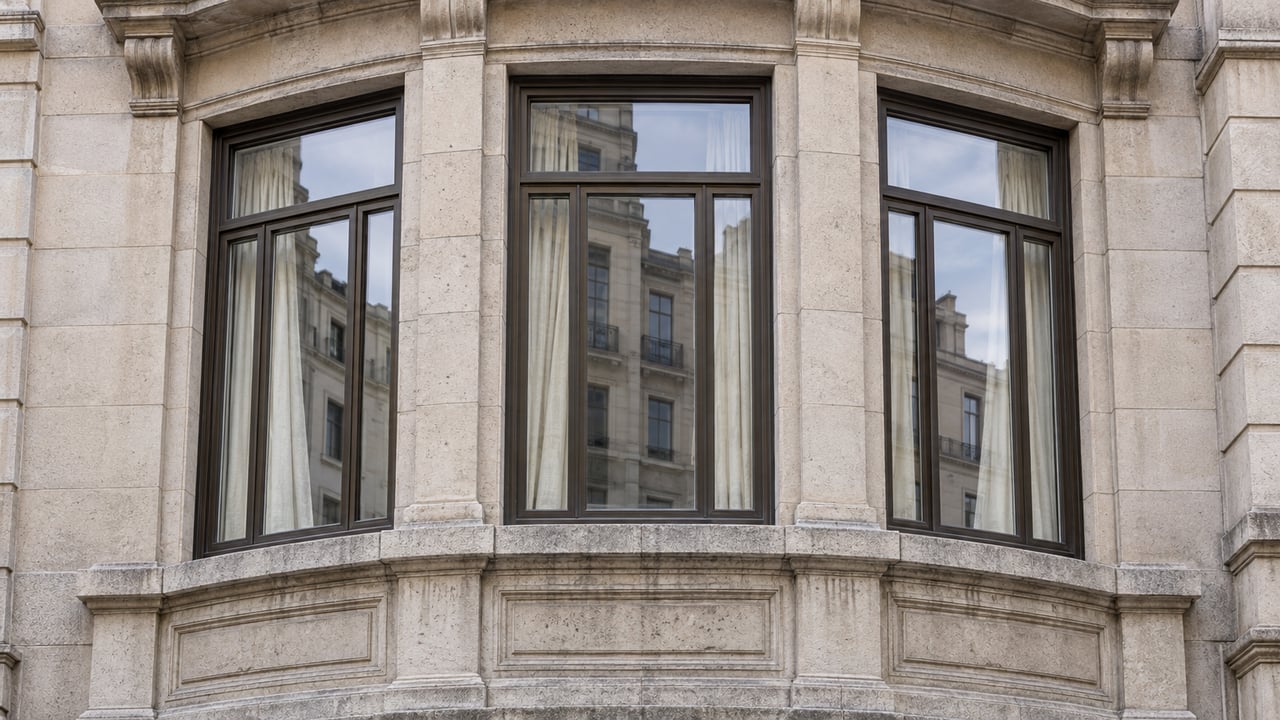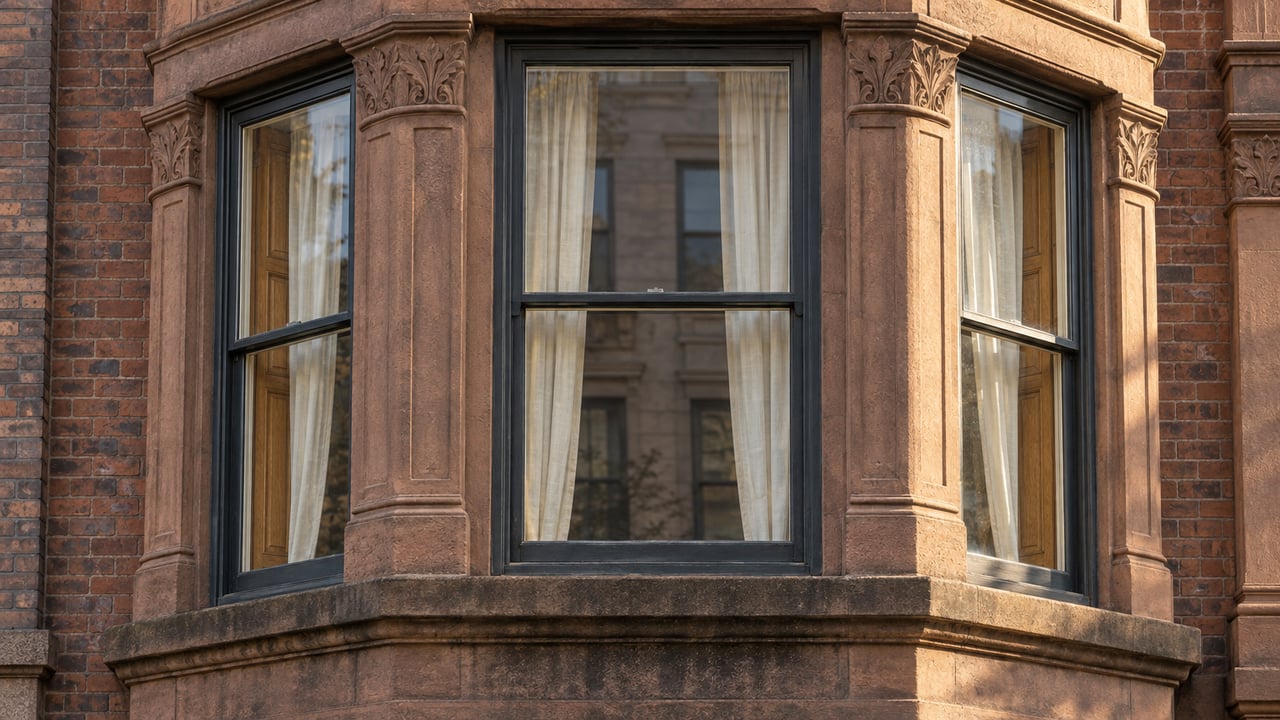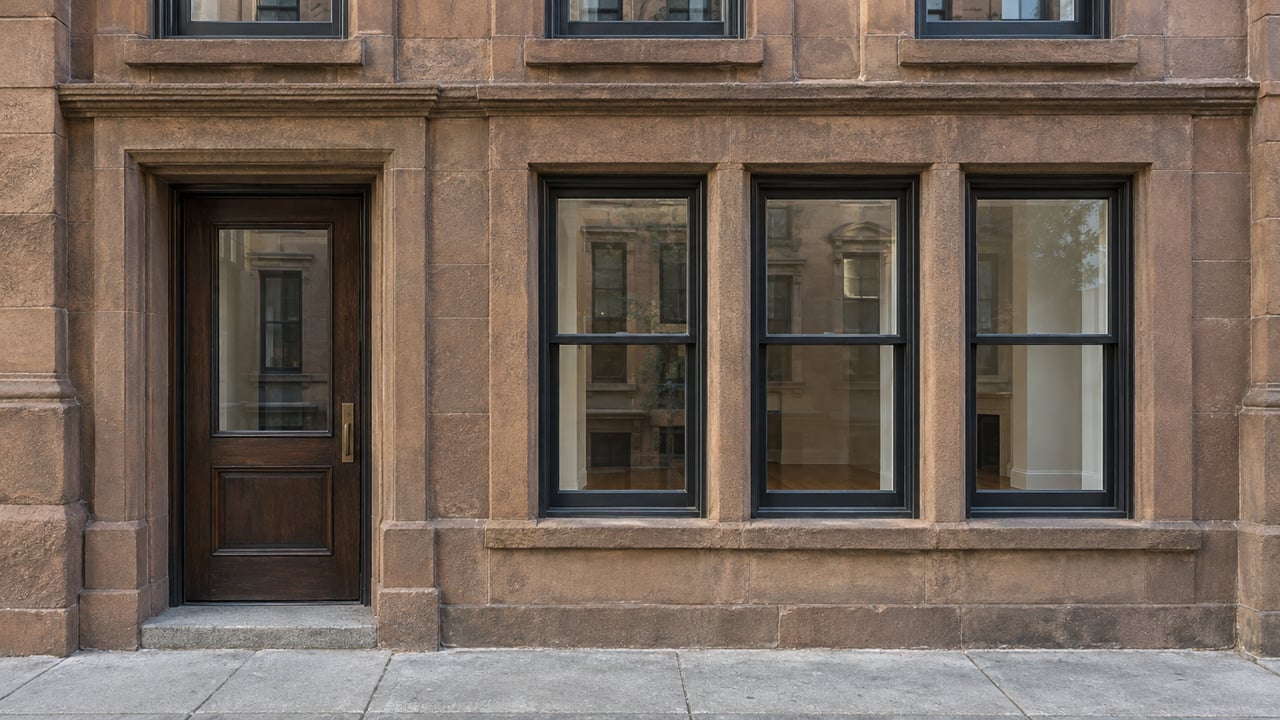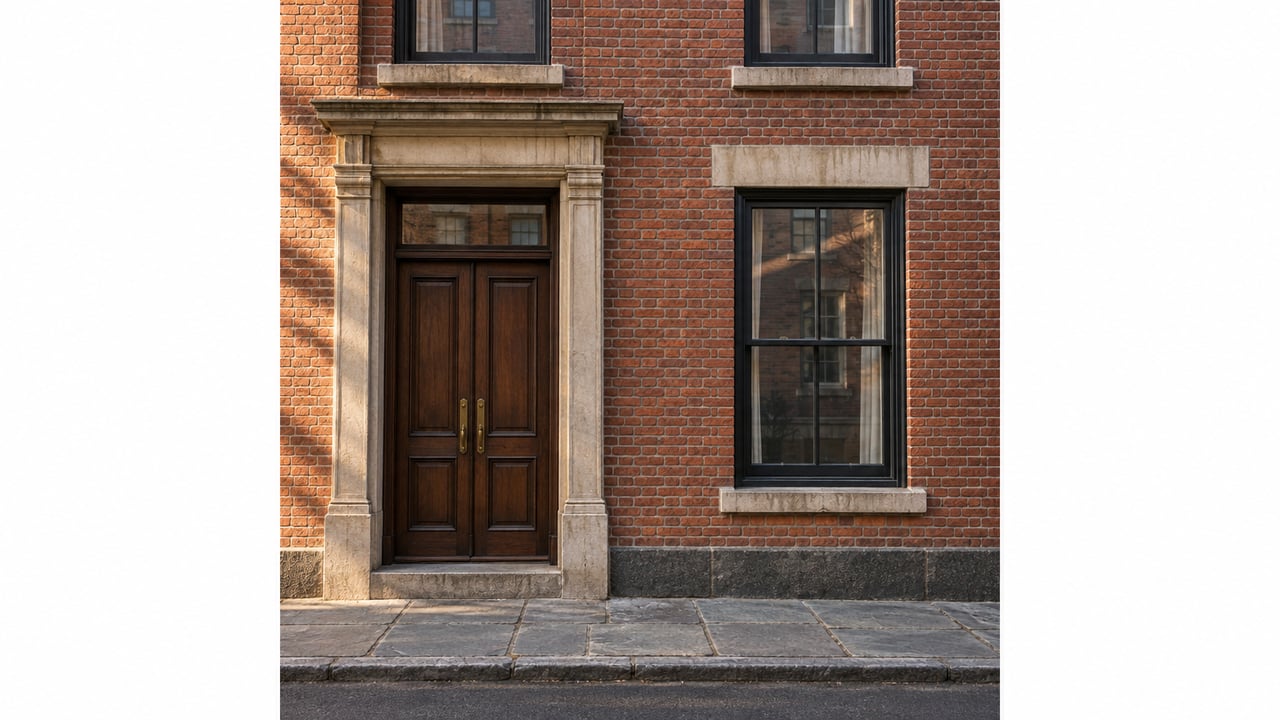
On February 24, 2026, the Landmarks Preservation Commission closed its file on 29 Willow Street, an 1887 apartment house in the Brooklyn Heights Historic District, approving an application to remove a fire escape. Three weeks later, on March 17, the Commission took up 183 Columbia Heights, a Beaux-Arts apartment building from around 1920, and approved a Certificate of Appropriateness for exterior work. Neither hearing made news outside the small circle of owners and boards who track the Commission's calendar. Both are proof that the review process buyers read about in landmark renovation guides is running in real time on real Brooklyn Heights addresses this year.
Most of what's written about buying into this district focuses on what happens after closing, when a new owner wants to swap out a window or add a roof deck. That part is well covered. What isn't covered is the sidewalk-shed permit clock, which now moves four times faster than it used to.
The Ninety-Day Rule Nobody Buying an Apartment Thinks to Ask About
Under the city's "Get Sheds Down" package, Local Laws 48 and 51 of 2025 took effect on January 12, 2026, cutting standard sidewalk shed permits from twelve months to 90 days. Renewals now require a written report from a Registered Design Professional documenting what work has actually happened since the last permit, and Habitat Magazine reports that sheds standing for more than four years face monthly penalties, capped at $6,000.
That single change reframes what a shed on a Brooklyn Heights block actually signals. Before 2026, a shed that had been up for two years told a buyer almost nothing. Now a shed that's still standing means a board is actively answering to the city every three months, with a paper trail of proof. As of August 17, 2026, the city counted 7,427 permitted sidewalk sheds citywide, over 1,000 fewer than the same point the year before, a roughly 10 percent drop since the start of the year. The sheds coming down first are the ones attached to buildings that can prove the work is finishing.
For a co-op board, the pressure to finish facade repair does not disappear into the shed fee. It typically becomes a special assessment, billed to shareholders on a timeline that a buyer under contract has every reason to ask about before closing rather than after moving in.
The Landmark Layer Everyone Already Knows, and the Part They Don't
Brooklyn Heights became a historic district in 1965, the first in the city, and the rules that come with that status are the ones most renovation guides walk through. The Landmarks Preservation Commission may review renovation work.
What decides how long that review takes is which of two paths a project falls into. According to Brownstone Blog, routine, like-for-like repairs can often move through a Certificate of No Effect, with LPC staff approving complete applications in as little as ten business days and a legal decision deadline of 30 business days after the file is complete. According to Shine Your Light Blog, a Certificate of Appropriateness typically requires a public hearing and takes three to six months once a case reaches the Commission.
There's a step before that hearing that catches people off guard. Certificate of Appropriateness applications in Brooklyn's Community District 2, which covers Brooklyn Heights, go to the local Community Board first, and CB2 does not review private residential applications during its July and August recess. A project that lands on the board's desk in June can lose the better part of a summer before the Commission even sees it. District 2 alone is home to 10 of Brooklyn's 41 historic districts, so this isn't a rare procedural footnote. It's a routine feature of buying here.
None of this is new information on its own. What changes the math in 2026 is that a building can be running both clocks at once: an open LPC application working through its own multi-month path, and a sidewalk shed on a 90-day renewal cycle with a penalty meter attached. A board managing both at the same time is a board more likely to move on a special assessment sooner than it would have a year ago, simply because the shed clock doesn't wait for the Landmarks clock to finish.
| Before January 12, 2026 | After January 12, 2026 | |
|---|---|---|
| Shed permit duration | Up to 12 months | 90 days, renewal requires proof of active work |
| Penalty for a long-standing shed | Minimal enforcement | Monthly penalties apply to older sheds |
| FISP inspection cycle | Fixed 5-year cycle | Local Law 49 allows 6 to 12 years, effective October 1, 2026, once DOB sets the specific interval |
That last line matters for anyone hoping the pressure eases soon. Local Law 49 is real and it does extend the facade inspection cycle, but the Department of Buildings still has to set the actual interval for each building now that the law has taken effect. A board can't yet tell a buyer with certainty when its next mandatory inspection falls, because DOB still has to set that interval.
What to Ask Before You're Under Contract, Not After
A brownstone or a pre-war co-op in Brooklyn Heights comes with ordinary due diligence questions about the unit. The building now deserves a short list of its own, and it's one most buyers still skip:
- Is there an active or recent sidewalk shed permit on the building, and what does the most recent Registered Design Professional renewal report say about progress?
- What is the building's current Facade Inspection and Safety Program status, and has it ever carried an Unsafe classification?
- Is there an open Landmarks Preservation Commission filing on the building, and is it moving through a Certificate of No Effect or the longer Certificate of Appropriateness path?
- Do board minutes mention a special assessment tied to facade or landmark compliance, and if so, on what timeline?
- Does the reserve fund reflect the cost of exterior work that historic-district materials and methods typically require, which studies of comparable brownstone renovations put at a 15 to 25 percent premium over non-landmarked equivalents?
For a brownstone rather than a co-op, the equivalent question is simpler but no less important: has any LPC application been filed on the building's exterior, and if so, has it already cleared Community Board 2, or is it sitting in a queue that pauses every summer?
The Brooklyn Heights Association, the civic group whose 1962 petition drive helped bring the historic district into existence, still keeps a current landmarks resource page for owners navigating this exact process, including the Commission's own rowhouse manual and permit application guidance. It's a useful first stop before a contract is signed, not after.
Frequently Asked Questions
Does every renovation in a landmarked Brooklyn Heights building need Landmarks approval? No. Landmarks review may be relevant to some renovation work.
How long does a Certificate of Appropriateness actually take in 2026? Recent Brooklyn Heights filings point to roughly three to six months once a case reaches a full Commission hearing, on top of the mandatory Community Board 2 review that doesn't happen at all for private residential matters in July and August.
What actually changed with sidewalk sheds this year? Permits that used to run for up to a year are now capped at 90 days under Local Law 48, effective January 12, 2026, and buildings with long-standing sheds can face monthly penalties.
A building's landmark status was always going to shape what an owner could do to it after closing. What's changed is that the sidewalk-shed clock now shapes what a board is required to prove to the city on a quarterly basis, whether or not a single resident ever files for a renovation. Ask about the shed before you ask about the wallpaper.
If you're weighing a purchase in the Brooklyn Heights Historic District and want a clear read on a specific building's landmark and facade standing before you write an offer, Lena Simpson can help you ask the right questions of the right people before you're locked into a contract.
This article is general information, not legal, tax or financial advice. Consult a qualified professional about your situation.